2026 Top Electronic Parts Every Tech Enthusiast Should Know?
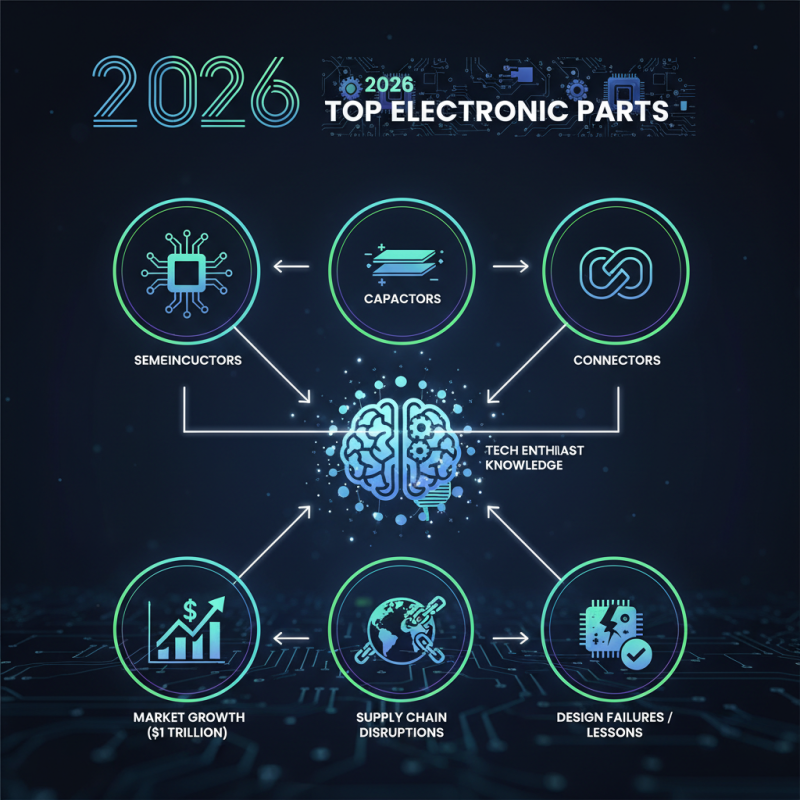
The world of technology is rapidly evolving, and staying updated on essential electronic parts is crucial for enthusiasts. A recent industry report from MarketsandMarkets suggests that the global electronic components market is projected to reach $1 trillion by 2026. This growth indicates the increasing demand for innovative electronic parts in various applications, from consumer electronics to industrial machines.
As tech enthusiasts, understanding the top electronic parts can significantly enhance our projects and knowledge. Components such as semiconductors, capacitors, and connectors form the backbone of modern devices. According to Statista, the semiconductor segment alone is expected to surpass $600 billion. However, amidst this growth, challenges arise, including supply chain disruptions and component shortages.
It's a complex landscape, where not every new part succeeds. Unforeseen issues can lead to failures in design and production. For every breakthrough, there are lessons in the failures of others. Embracing both innovations and setbacks is essential to mastering the realm of electronic parts. By focusing on what truly matters in this field, we can ensure our continued success in tech advancements.
Essential Components for Building Modern Electronics in 2026
In 2026, tech enthusiasts will need to focus on essential components to build modern electronics. Microcontrollers will continue to play a vital role, powering devices with advanced functionalities. According to industry reports, the global microcontroller market is projected to grow by 10% annually. This growth is driven by the increasing demand for smart devices in various sectors, including healthcare and automotive.
Next, consider advanced sensors. These tiny components are crucial for collecting data and enabling connectivity. The sensor market is expected to reach $250 billion by 2026. Their integration into IoT devices will require improved accuracy, energy efficiency, and responsiveness. Yet, not all sensors are created equal. Some will face challenges with interoperability and reliability.
Lastly, power management technologies cannot be overlooked. Efficient energy solutions ensure longevity in electronic devices. Reports indicate that the demand for power management ICs will rise significantly, reflecting a market shift towards sustainability. However, there is room for improvement in terms of cost-effectiveness. As the industry evolves, entrepreneurs and developers must reassess their choices critically. Are these components truly serving their intended purpose?
Cutting-Edge Microcontrollers Driving Innovation in Consumer Devices
In 2026, microcontrollers are at the forefront of consumer device innovation. These tiny powerhouses enable smarter gadgets, enhancing user experience. They are found in everything from home automation systems to portable healthcare devices. The impact of microcontrollers is profound. They allow devices to communicate, learn, and adapt.
One exciting development is their ability to manage energy. Efficient power usage is more crucial than ever. However, not all microcontrollers perform equally well. Some struggle with processing speed, while others face challenges with connectivity. These flaws can hinder project success. As tech enthusiasts, we must reflect on which components truly meet our needs.
In the ever-evolving tech landscape, staying informed is vital. Many microcontrollers are versatile but come with trade-offs. Price, power consumption, and compatibility may vary. It’s important to evaluate specifications carefully. Testing with real-world applications can reveal their strengths and weaknesses. Embracing both success and failure is key to innovation. Exploring diverse options drives the technology forward.
2026 Top Electronic Parts Every Tech Enthusiast Should Know
| Part Type |
Specification |
Application |
Key Feature |
| Microcontroller |
32-bit ARM Cortex-M4 |
Smart Home Devices |
Low Power Consumption |
| FPGA |
High-Density Logic |
AI Processing |
Reconfigurability |
| SoC |
Quad-Core CPU |
Wearable Technology |
Integrated Connectivity |
| Sensor |
16 MP Camera Sensor |
Smartphones |
Enhanced Low-Light Performance |
| Wireless Module |
Wi-Fi 6 |
IoT Devices |
High-Speed Connectivity |
| Power Management IC |
Buck Converter |
Portable Gadgets |
Efficient Voltage Regulation |
Key Sensors Revolutionizing Data Collection and Interaction
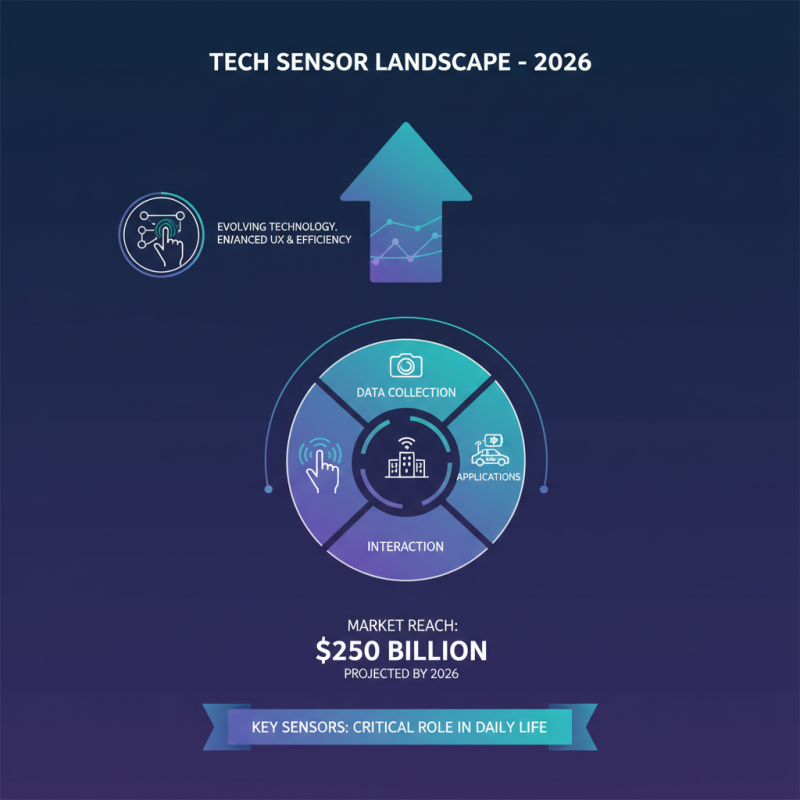
The landscape of technology is rapidly evolving. In 2026, key sensors will play a critical role in data collection and interaction. These sensors will enhance user experience and improve efficiency across various applications. According to a recent industry report, the market for sensors is projected to reach $250 billion by 2026. This growth highlights their importance in our daily lives.
Tips: Consider integrating multiple sensors to gather more comprehensive data. This can provide richer insights and improve decision-making.
Sensor technologies such as LiDAR and biometric sensors are leading this revolution. LiDAR enables precise mapping and object detection, while biometric sensors enhance security through facial and fingerprint recognition. As more businesses adopt these technologies, challenges will remain. Data privacy concerns must be addressed to build trust with users.
Tips: Always ensure your data collection methods comply with regulations. Transparency builds confidence.
As we move into this new era, continuous innovation will drive the sector. Emerging technologies, like flexible sensors, will adapt to new environments and applications. However, it’s crucial to consider ethical implications. How will this tech impact society? Are we ready for these changes?
High-Efficiency Power Supply Solutions for Sustainable Designs
In today's fast-paced tech world, efficient power supply solutions are vital. Many devices consume a lot of energy. Sustainable designs focus on reducing this consumption. They aim to enhance performance while being eco-friendly. This is where high-efficiency power supplies come in. These components help to minimize energy waste. They provide reliable power while lowering costs over time.
Tips for choosing the right power supply: Look for those with a high efficiency rating. This means they waste less energy as heat. Compact designs often use materials that are lighter and more durable. They save space and improve thermal management. Make sure to check the load range for optimal performance. Balancing efficiency and capacity can be tricky. It's essential to select a power supply that fits your project needs perfectly.
The journey to sustainable design isn't easy. You may face challenges like heat dissipation and energy surges. Reflecting on failures can lead to better solutions. Being adaptable and exploring innovative designs is crucial. High-efficiency power supplies are not just components; they're investments in our energy future.
Trends in Connectivity Modules Enhancing Device Communication
The landscape of connectivity modules is transforming rapidly. As devices become smarter, the need for seamless communication increases. Emerging trends focus on improving efficiency and reducing latency. New protocols are designed to ensure that devices can talk to each other better. This shift enhances user experiences across various applications.
Integrating these connectivity modules into devices is crucial. They enable fast data exchange and real-time interactions. Consider how smart home devices rely on efficient communication to function harmoniously. Issues arise when compatibility rules are overlooked. Ensuring all components work together is vital for optimal performance.
Tips: Always check compatibility. Not every module fits every device. Test your system regularly for updates. Sometimes, upgrades may introduce bugs. Keep an eye on trends. Staying informed helps prevent issues in the future. Embrace the learning process. It’s okay to stumble. Each mistake leads to better decisions next time.
2026 Trends in Connectivity Modules Enhancing Device Communication