2026 Top Trends in Electronic Parts for the Future of Technology?
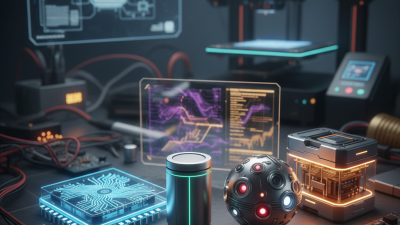
The future of technology is continuously shaped by evolving trends in electronic parts. As we approach 2026, the impact of these components becomes more pronounced. Innovations in electronic parts will drive advancements in various sectors, from consumer electronics to industrial applications.
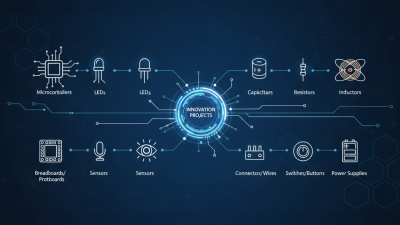
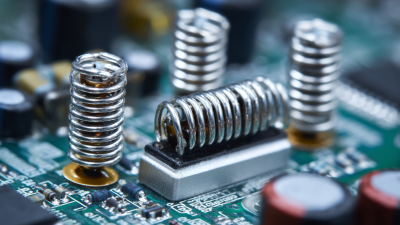
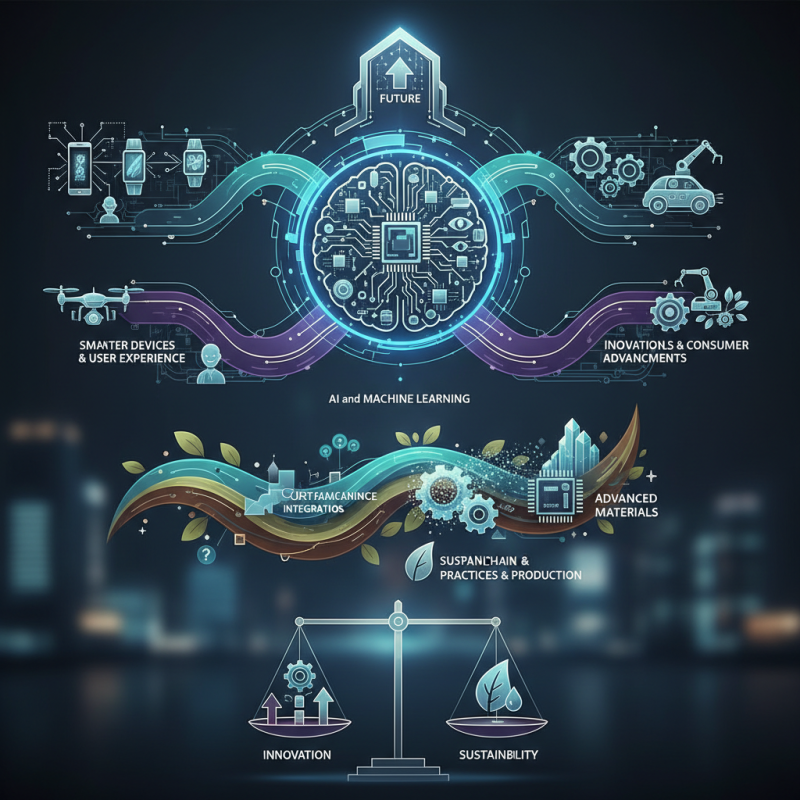
We see exciting developments in microchips, sensors, and materials. These electronic parts enable smarter devices, improving user experiences. However, challenges exist, such as supply chain issues and environmental concerns. Companies must adapt and innovate in their production methods. This is where reflection on sustainable practices is crucial.
In this rapidly changing landscape, the integration of artificial intelligence and machine learning into electronic parts will further transform technology. Designs will become more efficient, but we must consider potential drawbacks. Striking a balance between innovation and sustainability remains pivotal as we navigate the future of electronic components. The road ahead is filled with promise but requires thoughtful engagement with the implications of our choices.
Emerging Trends in Semiconductor Materials for 2026 and Beyond
The semiconductor industry is rapidly evolving. In 2026, new materials will drive innovation. Researchers are exploring alternatives to traditional silicon-based products. New compounds promise better performance and energy efficiency.
Gallium nitride (GaN) is gaining traction. It surpasses silicon in power applications. Its high thermal conductivity makes it ideal for devices in extreme conditions. Meanwhile, silicon carbide (SiC) is becoming essential for electric vehicles. It enhances performance and reduces charging time.
However, the transition to these materials is not without challenges. Manufacturing processes must adapt. Cost considerations are significant. Many companies hesitate to shift from established technologies. Balancing innovation with practicality is a common theme. This landscape will require reflection and strategic planning for successful growth.
Impact of AI and Machine Learning on Electronic Components Development
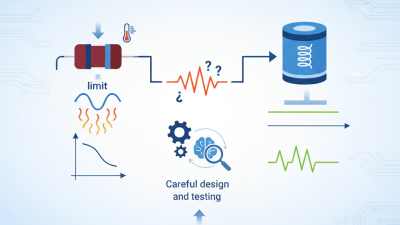
The impact of AI and machine learning on electronic components development is profound. These technologies are reshaping how components are designed, tested, and manufactured. For instance, AI algorithms can predict component failures before they occur. This can save time and reduce costs in production processes. A more accurate predictive model empowers engineers to make informed decisions.
Machine learning also enhances the performance of electronic components. It optimizes power consumption and improves efficiency. However, the reliance on AI raises concerns. Are we overlooking human insight in critical design decisions? There is a risk of over-automation. Many engineers worry about losing their creative touch. Striking a balance between technology and human intuition is key.
Furthermore, the integration of AI in electronics development may lead to complexity. Developers face challenges adapting to new methodologies. They need time to learn these advanced tools. Some may struggle to keep pace with rapid advancements. Not everyone can adapt quickly. The journey toward smarter electronic components is exciting, yet fraught with questions. The evolution is ongoing, and reflection on our approach is essential.
2026 Top Trends in Electronic Parts for the Future of Technology
| Trend |
Description |
Impact of AI and ML |
Projected Growth Rate |
| Smart Sensors |
Integration of advanced sensors in various devices for enhanced data collection. |
AI algorithms will process data more efficiently, improving sensor accuracy. |
15% |
| Flexible Electronics |
Development of thin, flexible materials for innovative product designs. |
AI helps optimize designs for flexibility without sacrificing performance. |
20% |
| 5G Components |
New electronic parts designed specifically for 5G technology. |
ML enhances network management and performance tuning. |
25% |
| IoT Integration |
Seamless connection of devices to the internet for smarter systems. |
AI coordinates data flows and enhances interoperability among devices. |
30% |
| Energy Harvesting Devices |
Components that convert ambient energy into usable electrical power. |
ML can optimize energy usage and storage in real time. |
18% |
Sustainability Trends: Eco-friendly Practices in Electronics Manufacturing
Sustainability in electronics manufacturing is gaining momentum. Eco-friendly practices are essential for future trends. Many companies are shifting to renewable materials. They focus on reducing waste throughout the production process.
Using recycled components can significantly lower environmental impact. Some manufacturers are exploring bioplastics. These materials can lessen dependency on petroleum-based resources. However, bioplastics still face challenges in recycling. The technology is evolving, but more progress is needed.
Tips: Consider sourcing from suppliers that emphasize sustainability. Look for certifications that validate eco-friendly practices. Small changes in purchasing can make a significant difference. Every step towards sustainability counts. Embrace innovations, but remain critical of their practicality. Keep an eye on industry trends, but don't forget local impacts.
5G and Beyond: Evolution of Communication Chips for Future Connectivity
The future of connectivity hinges on the evolution of communication chips. These chips are crucial for advancing technologies like 5G and beyond. They enable faster data transmission and lower latency, which is essential for applications such as autonomous vehicles and smart cities.
Currently, there are challenges in improving signal strength and reducing power consumption. Designing communication chips requires intricate engineering. The integration of AI and machine learning into these chips can lead to smart connectivity. Imagine a world where devices communicate seamlessly, adjusting to user needs in real-time.
Yet, the development process faces hurdles. Manufacturing complexities can slow down innovation. Additionally, ensuring security in communication remains a significant concern.
The path forward is not without its bumps. There are questions about how to handle data privacy. As technology advances, ethical considerations will become more prominent. The balance between speed and safety is vital. Thus, ongoing research and development are necessary to address these challenges. The evolution of communication chips holds great promise, but careful thought is crucial for its realization.
The Role of Quantum Computing in Revolutionizing Electronic Parts Design
Quantum computing is set to transform the landscape of electronic parts design. By utilizing quantum bits, or qubits, this technology can process vast amounts of data simultaneously. According to a report from the International Quantum Computing Consortium, the market for quantum computing is projected to exceed $8 billion by 2027. This surge can greatly influence how electronic components are developed and optimized.
Designing electronic parts using quantum algorithms can lead to unprecedented efficiencies. For instance, current design methods can be slow and inefficient, often requiring extensive trial and error. With quantum computing, the design process could see a reduction in time and cost. However, challenges remain. Developing scalable quantum systems and suitable materials is still a significant hurdle for the industry.
The integration of quantum technologies in design processes is no small feat. Traditional manufacturing techniques may not easily adapt. There is a learning curve regarding how to apply quantum principles effectively. Industry experts suggest collaboration across sectors is essential for overcoming these challenges. As exciting as this technology is, it also brings uncertainties that need careful consideration.