Top 10 Active Components Driving Innovation in Cosmetic Formulations for 2023
As the beauty industry continues to evolve, the demand for innovative cosmetic formulations has never been greater. In 2023, active components are at the forefront of this revolution, driving breakthroughs that enhance the efficacy and appeal of personal care products. With consumers becoming more discerning, their appetite for formulations that deliver tangible results has spurred companies to explore a diverse array of active ingredients, each promising to combat specific skin concerns and improve overall skin health.
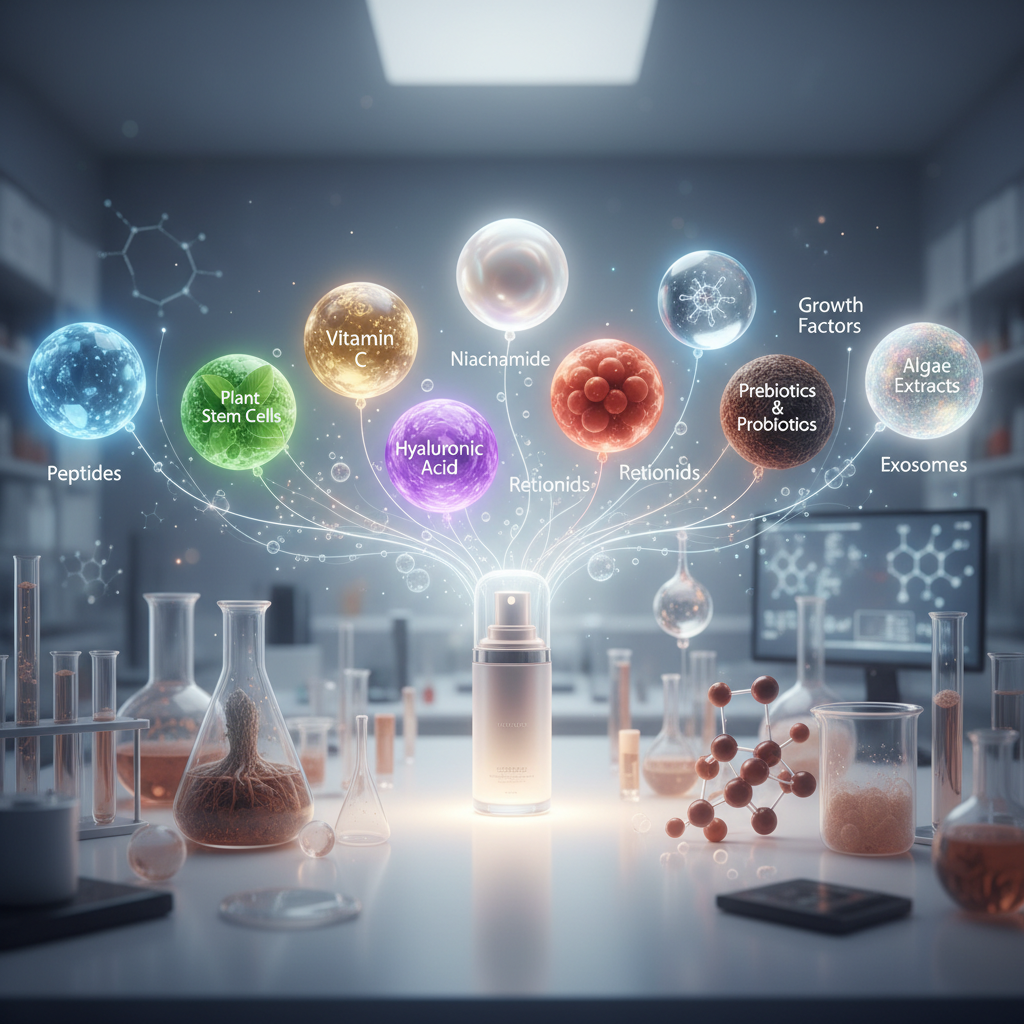
This article delves into the top ten active components that are reshaping the landscape of cosmetic formulations this year. From potent botanicals to cutting-edge synthesized compounds, these ingredients not only cater to consumer needs but also reflect ongoing trends towards sustainability and clean beauty. Whether it’s through anti-aging properties, hydration boosts, or skin barrier support, these active components are proving essential for brands aiming to differentiate themselves in a saturated market. Join us as we explore how these innovations are setting new benchmarks for quality, effectiveness, and consumer satisfaction in cosmetics.
Emerging Natural Extracts Transforming Skincare Routines
The beauty industry is witnessing a significant shift towards sustainability and natural ingredients, with emerging natural extracts playing a pivotal role in transforming skincare routines. According to a recent report from Grand View Research, the global organic skincare market is projected to reach $25.1 billion by 2025, growing at a compound annual growth rate (CAGR) of 10.2%. This growth is largely driven by an increasing consumer preference for natural products, which are perceived as safer and more environmentally friendly.
One of the standout natural extracts gaining traction in 2023 is bakuchiol, a plant-based alternative to retinol that boasts similar anti-aging benefits without the irritation often associated with synthetic counterparts. Research published in the Journal of Cosmetic Dermatology demonstrates that bakuchiol can significantly improve skin elasticity, firmness, and overall texture. Furthermore, other promising ingredients such as Niacinamide derived from plant sources and adaptogenic herbs like ashwagandha are gaining popularity for their ability to enhance skin barrier function and combat stress-induced skin issues. As these natural extracts become more prevalent, they not only cater to the demand for efficacy but also contribute to the overall well-being and sustainability of skincare products.
Cutting-Edge Peptides Enhancing Anti-Aging Formulations
In 2023, the cosmetic formulation landscape is being transformed by cutting-edge peptides that enhance anti-aging products. Peptides, once considered a niche component, have rapidly gained recognition as essential ingredients in the quest for youthful skin. Their multifunctional benefits, including promoting collagen production and improving skin elasticity, make them indispensable in addressing the visible signs of aging. The rise of innovative peptide technologies signifies a shift towards science-backed skincare solutions that resonate with consumer demand for effective anti-aging treatments.
Among the latest advancements is the introduction of biofunctional ingredients that target senescent skin. Recent innovations highlight the synergy between nature and science, with formulations designed to rejuvenate and revitalize aging skin. Brands are increasingly incorporating peptides derived from biotechnology, reflecting a trend where natural efficacy pairs with cutting-edge research. This evolution not only enhances consumer trust but also sets a new standard for anti-aging efficacy in the cosmetics industry. As the market for anti-aging ingredients expands, the focus on peptide-driven formulations will continue to drive innovation and reshape consumer preferences.
Innovative Biotechnology Ingredients Redefining Efficacy
In 2023, the cosmetic industry is witnessing a remarkable shift driven by innovative biotechnology ingredients that are redefining efficacy in formulations. According to a report by Grand View Research, the global biotechnology market in cosmetics is projected to reach over $28 billion by 2028, showcasing a compound annual growth rate (CAGR) of 7.3%. These advancements are not only enhancing product performance but also addressing consumer demand for sustainability and clean beauty. Ingredients derived from biotechnological processes are often more effective and environmentally friendly, resonating with the modern consumer's preferences.
One of the standout innovations includes the use of bio-fermented ingredients that promote skin health by harnessing the power of probiotics. Products featuring these ingredients have shown a 20% increase in hydration levels in clinical trials, underscoring their efficacy. Brands that leverage these cutting-edge components can tap into the growing market of consumers seeking scientifically-backed beauty solutions.
**Tips:** When selecting products, look for labels that highlight biotechnology ingredients such as peptides and bioactives. These formulations not only offer targeted benefits like anti-aging and skin barrier protection, but they also reflect a commitment to ethical sourcing. Additionally, consider products with minimalistic ingredient lists, as they are often more effective in their approach to skincare without unnecessary additives.
Top 10 Active Components Driving Innovation in Cosmetic Formulations for 2023
Sustainable Sourcing: Eco-Friendly Active Components
As the cosmetic industry places increasing emphasis on sustainability, the trend towards eco-friendly active components is becoming a key driver of innovation in product formulations for 2023. According to a report by Allied Market Research, the global sustainable beauty market is projected to reach $13.5 billion by 2028, growing at a compound annual growth rate (CAGR) of 9.7%. This rise is largely attributed to consumer demand for products that not only enhance beauty but also respect environmental integrity. Active ingredients sourced from renewable, organic materials are increasingly prevalent, with brands focusing on transparency in their sourcing practices.
Among the most notable eco-friendly ingredients are plant-based extracts, which offer numerous skin benefits with minimal environmental impact. For instance, ingredients like hyaluronic acid derived from algae and plant-based squalane are becoming popular alternatives to petrochemical-derived compounds. The Ecocide Coalition reports that these sustainable ingredients can significantly reduce carbon footprints, making them attractive choices for both brands and consumers. As regulations tighten and awareness grows, cosmetic formulations featuring sustainable active components are not just a trend but a necessary evolution for the industry.
Smart Delivery Systems Revolutionizing Ingredient Penetration
The cosmetic industry is experiencing a transformative shift with the advent of smart delivery systems, which are revolutionizing ingredient penetration and efficacy. These innovative technologies ensure that active components in formulations reach deeper layers of the skin, maximizing their effectiveness. For instance, encapsulation methods allow for the targeted release of ingredients at specific times or locations, enhancing their impact while minimizing irritation.
As brands strive to meet consumer demands for high-performance skincare, it is essential to consider how to optimize product formulation. One effective tip is to choose products featuring microencapsulation or liposomal delivery systems, which protect sensitive ingredients from degradation and ensure they are released at the right moment. Additionally, incorporating ingredients known for their synergy can enhance absorption—look for formulations that combine hyaluronic acid with peptides for superior hydration and skin rejuvenation.
Innovation doesn’t stop with the ingredients themselves; the method of delivery is equally important. When selecting cosmetic products, pay attention to those with advanced delivery technologies that promise improved skin penetration. This not only benefits the overall effectiveness but also enhances the sensory experience, leading to more satisfying results for consumers.