Top 10 Benefits of High Manganese Steel Casting for Industries?
High Manganese Steel Casting holds a pivotal position in various industrial applications due to its impressive properties. This material is known for its high impact strength and resistance to abrasion, making it ideal for severe working conditions. According to a report by the International Journal of Metal Casting, industries that utilize high manganese steel experience a reduction in maintenance costs by up to 30%. This is largely attributed to the durability of castings produced, which perform well under stress and wear.
The versatility of High Manganese Steel Casting extends across sectors such as mining, construction, and rail transport. Its unique composition allows it to withstand extreme conditions, outperforming traditional materials. However, there are considerations to keep in mind, such as the need for precise casting techniques to avoid defects. A study by the Materials Research Society highlights how improper casting can lead to fractures, impacting overall performance. These insights emphasize the importance of expertise in achieving optimal results with high manganese steel.
Incorporating High Manganese Steel Casting into production lines not only enhances efficiency but also boosts safety. As industries innovate, the demand for high-performance materials continues to grow. Companies must invest in reliable casting processes to reap the full benefits. By understanding both the advantages and potential challenges, industries can make informed decisions that advance their operational goals.
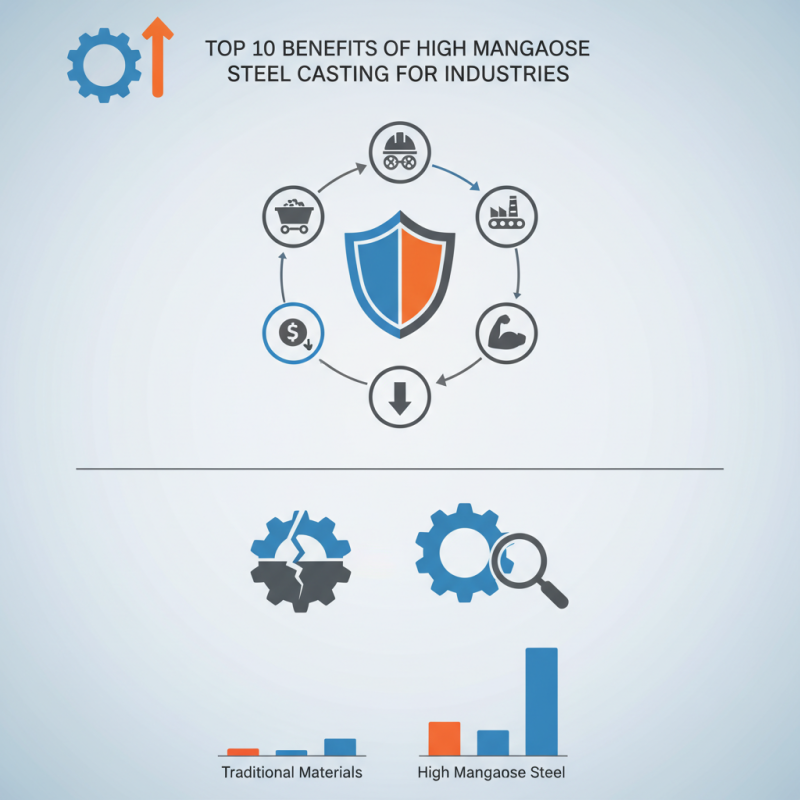
Understanding High Manganese Steel Casting and Its Properties
High manganese steel casting is well-known for its unique properties. This alloy contains 12-14% manganese, which enhances its durability and resistance to wear. When subjected to impact, it hardens, making it incredibly tough and suitable for heavy-duty applications. This characteristic is particularly vital for industries such as mining, construction, and railroads.
The casting process itself can be quite intricate. It requires precision to ensure that the final product retains its essential properties. Manganese steel can absorb energy during impact, allowing it to withstand severe conditions. However, achieving the desired balance of strength and malleability can be challenging. It's crucial for manufacturers to have expertise in metallurgy and casting techniques. This need for skilled craftsmanship adds an extra layer of complexity to the production process.
Manganese steel is also susceptible to oxidation. Appropriate surface treatments and coatings are necessary to protect it from corrosion. The high maintenance requirements can sometimes overshadow its benefits. Nonetheless, when used correctly, high manganese steel casting offers significant advantages that many industries rely on for their rugged applications.
Durability and Wear Resistance of High Manganese Steel in Industrial Applications
High manganese steel casting has become essential in various industrial applications. Its unique properties, particularly in durability and wear resistance, stand out in demanding environments. Studies have shown that high manganese steel offers an impressive increase in toughness and ductility. For instance, it can achieve a yield strength up to 200 MPa under stress, making it ideal for heavy machinery components.
In applications such as mining and construction, the material's superior resistance to abrasive wear is vital. Industries report that components made with high manganese steel can last several times longer than traditional materials. This durability significantly reduces downtime and maintenance costs. Some companies may want immediate benefits, yet they should consider long-term performance.
However, high manganese steel isn't without challenges. It can be difficult to weld and may require specialized techniques. Some industry professionals have pointed out that improper casting processes can lead to defects, which compromise performance. Ensuring high-quality production is crucial for maximizing the benefits of this remarkable material. Investing time and resources in training and equipment may prove beneficial in the long run.
Cost-Effectiveness: Long-Term Benefits of High Manganese Steel Casting
High manganese steel casting offers significant cost-effectiveness for various industries. The unique properties of this material lead to lower operational expenses. It is known for its exceptional wear resistance. This durability translates into longer-lasting components. Less frequent replacements mean savings in both material and labor costs.
Moreover, high manganese steel exhibits remarkable toughness. This characteristic allows it to withstand extreme conditions common in heavy industries. Equipment made from this material requires less maintenance over time. As a result, businesses can allocate resources more efficiently. However, it is essential to consider its initial investment. High manganese steel can carry a higher upfront cost compared to standard materials. Still, industries often find that the long-term benefits far outweigh these initial expenses.
Additionally, the versatility of high manganese steel casting allows for innovative designs. Complex shapes can be achieved that cater to specific applications. Industries can work on enhancing productivity while ensuring safety. However, relying on a single material type may pose risks. Continuous evaluation is crucial to ensure that it meets evolving industry needs. This approach can lead to unforeseen challenges that require adjustments.
Versatility of High Manganese Steel in Various Industries
High manganese steel casting has proven its versatility across various industries. Its unique properties, particularly high impact strength and resistance to abrasion, make it suitable for heavy-duty applications. This type of steel can endure extreme conditions, finding roles in mining, construction, and even rail industries. Components made from high manganese steel often exceed expectations in terms of longevity and performance.
In the mining sector, high manganese steel is essential. It withstands the harsh environments and frequent impacts from ore and debris. Specialized equipment such as crushers and screens benefit greatly from its toughness. This material is not just reliable; it reduces maintenance costs significantly due to its durability.
Tips for using high manganese steel effectively include ensuring proper heat treatment processes. This enhances its mechanical properties. It's also crucial to consider proper design practices when incorporating this steel into applications. Understand the specific demands of your industry. Choose appropriate thicknesses and geometries. Reflect on these factors for optimal performance.
Top 10 Benefits of High Manganese Steel Casting for Industries
Impact on Production Efficiency and Safety in Industrial Machinery
High manganese steel casting offers significant advantages in industrial machinery. It is well-known for its exceptional toughness and resistance to wear. This material can endure extreme stress and impacts during operation. The result is enhanced production efficiency, as machines stay operational longer, requiring fewer repairs. Fewer breakdowns can lead to increased productivity on the factory floor.
Safety is another critical aspect impacted by high manganese steel. Machinery made from this material tends to have a longer lifespan. Operators can work with confidence, knowing their equipment is reliable. However, one must remember that while this steel is durable, it still requires regular maintenance. Neglecting this can lead to unforeseen hazards. Companies should weigh these factors when considering high manganese steel for their operations.