How to Choose the Best Agricultural Sensors for Your Farm?
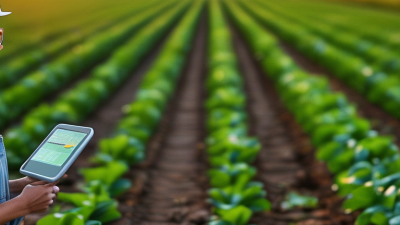
Choosing the right agricultural sensors, or ag sensors, can significantly impact farm productivity. With advancements in technology, various options are now available. Understanding these options is essential for making informed decisions. Ag sensors can monitor soil health, moisture levels, and crop conditions. They provide real-time data that empowers farmers to make better choices.
Choosing the best ag sensors requires a balance between personal experience and available technology. It’s important not to rely solely on brand reputation. Testing different sensors on your farm can yield different results. Each farm has unique requirements based on its location, soil type, and crop.
Farmers should also consider budget constraints. High-quality ag sensors can be costly, but their benefits may justify the investment. However, some cheaper alternatives might suffice for small-scale operations. Reflecting on your farm’s specific needs will help narrow the choices. Ultimately, the goal is to select sensors that enhance productivity and sustainability in your agricultural practices.
Understanding the Different Types of Agricultural Sensors Available
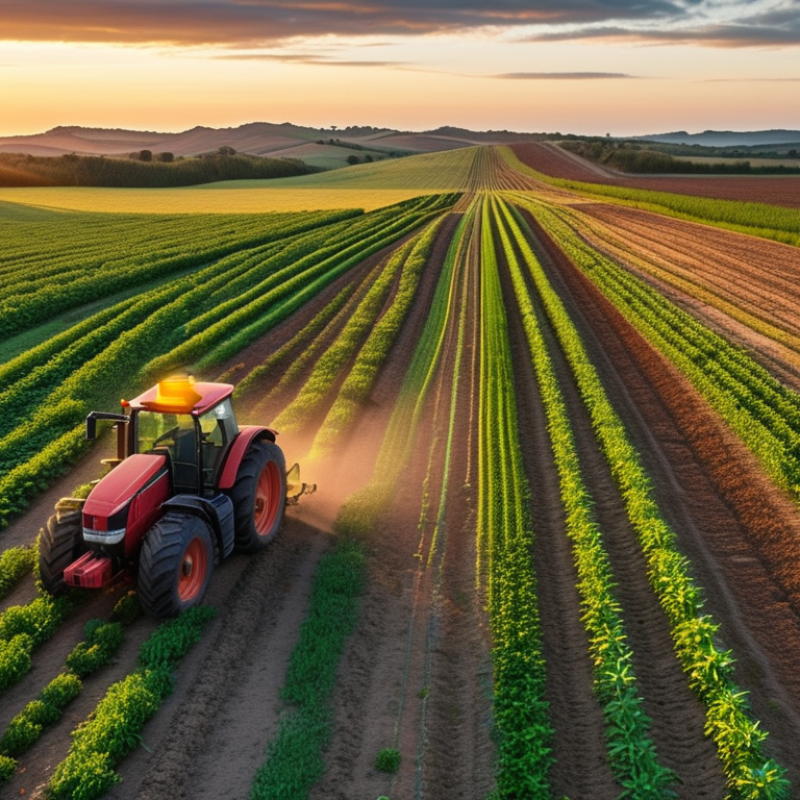
Agricultural sensors play a crucial role in modern farming. Understanding the different types can help you choose the best ones for your needs. Common types include soil moisture sensors, weather stations, and crop health monitors. Each type serves a unique purpose.
Soil moisture sensors measure the water content in the soil. They provide valuable data to optimize irrigation. This insight can prevent overwatering and ensure crops receive sufficient hydration. Weather stations track atmospheric conditions. They offer forecasts that can guide planting and harvesting decisions. Crop health monitors use imaging technology to detect diseases early. This proactive approach can save yields.
Consider the specifics of your farm when selecting sensors. Analyze soil types, crops grown, and local climate conditions. This reflection will help narrow your options. Ensure sensors are compatible with existing systems. Look for user-friendly interfaces. They should provide real-time data to support quick decisions. Balancing cost and quality is essential for long-term success. Choose wisely, as technology can change your farming practices significantly.
Comparative Analysis of Agricultural Sensor Types
This chart illustrates the popularity of different types of agricultural sensors based on farm adoption rates. Soil moisture sensors lead the way, demonstrating their essential role in efficient water management, followed by weather stations and crop health sensors. Understanding these trends can help farmers make informed decisions when selecting sensors for their operations.
Identifying Your Farm's Specific Needs and Objectives
Identifying your farm's specific needs is crucial when choosing agricultural sensors. Start by evaluating the crops you grow. Different plants have varying requirements for moisture, light, and nutrients. For instance, corn thrives in moist soil, while succulents prefer drier conditions. Understand these needs to pick the right sensor.
Analyzing current practices is equally important. Assess what data you currently collect and where gaps exist. If your soil analysis is lacking, a soil moisture sensor could provide insights. Alternatively, consider using climate sensors if weather conditions impact your yield. Reflecting on these aspects will help identify essential sensor types for your farm's objectives.
Tips for selection: Keep functionality in mind. Ensure sensors are user-friendly and compatible with your existing systems. Consider scalability. Your farm may grow or change, so choose sensors that can adapt to these shifts. Lastly, don't overlook support. A reliable supplier should offer guidance and troubleshooting resources.
Evaluating Sensor Accuracy and Reliability for Sustainable Farming
When selecting agricultural sensors, accuracy and reliability are paramount for sustainable farming. According to a 2022 report from the International Society of Precision Agriculture, sensors with accuracy exceeding 90% significantly improve crop monitoring. This level of precision allows farmers to make informed decisions, optimizing resources.
However, even the best sensors can falter in dynamic conditions. Environmental factors such as soil moisture variability can affect their reliability.
Farmers should focus on sensor calibration methods, which often determine long-term accuracy. The same report notes that sensors calibrated for specific crops yield 20% higher performance. It’s essential to consider the conditions of your farm; a sensor might excel in one environment but struggle in another. Regular maintenance and recalibration can mitigate these issues but require additional effort and resources.
Moreover, sensor data integration plays a crucial role. Data from trustworthy sensors should be combined with agronomic insights. A 2021 survey from AgFunder revealed that 75% of farmers believe sensor data enhances their decision-making process. Yet, reliance solely on sensor readings can be misleading without context. Balancing technology and traditional farming practices is essential for the best outcomes.
Comparing Cost-Effectiveness of Various Agricultural Sensor Options
Selecting the right agricultural sensors involves understanding their cost-effectiveness and benefits. A recent report by the International Society for Precision Agriculture highlights that precision agriculture technologies can reduce input costs by up to 15%. These savings can make a difference for farmers looking to optimize their operations. However, selecting sensors solely based on price can lead to missed opportunities. The cheapest option is not always the best choice for long-term investment.
For instance, soil moisture sensors can range from $50 to over $500. More expensive models often offer enhanced features, like real-time data and better accuracy. Investments in higher-quality sensors can improve crop yields by up to 20%, according to a study published in the Journal of Agricultural Science. However, farmers sometimes ignore the return on investment aspect. They may prematurely choose cheaper alternatives, only to spend more on additional resources later.
Farmers must carefully evaluate the sensor benefits relative to their specific needs. Not all farms require high-end technology. Sometimes, a simple device might suffice for basic monitoring. Yet, a deeper analysis often shows that advanced sensors pay for themselves over time through significant savings and productivity gains. Balancing upfront costs against potential long-term benefits requires a thoughtful approach. This careful consideration can lead to improved farm sustainability and profitability.
Integrating Sensors into Existing Farm Management Systems
Integrating sensors into existing farm management systems can seem daunting. However, it is essential for optimizing agricultural productivity. Selecting the right sensors is crucial. These devices must align with your farm's unique needs and existing technology. Compatibility ensures seamless data flow, reducing manual efforts.
Consider the types of sensors that best serve your requirements. Soil moisture sensors can provide real-time data on soil health. Weather sensors can feed crucial information about environmental conditions. It may take time to analyze how these devices interact with your current system. Sometimes, unexpected glitches can occur, requiring adjustments.
Data integration is not just about connection. It involves interpreting the information accurately. With multiple sensors, managing data becomes complex. A robust system will provide user-friendly interfaces for farmers. However, training may be necessary to interpret the data effectively. Engaging with local agricultural experts can enhance understanding and application. It is essential to remain open to continual learning throughout this integration process.