How to Choose the Best Long Range Camera for Your Needs?
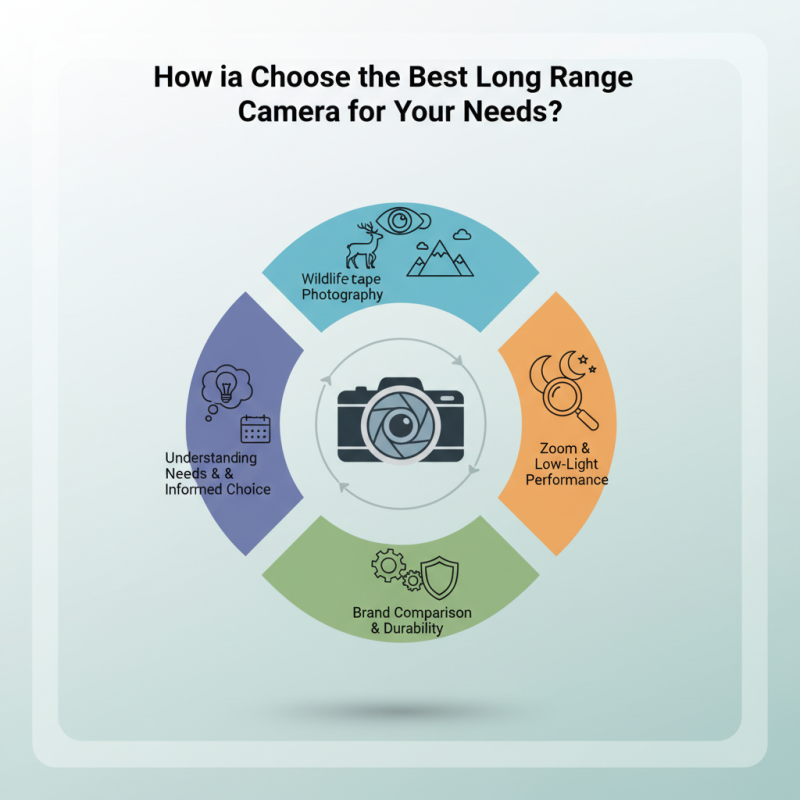
Choosing the right Long Range Camera can be daunting. There are many features to consider that can impact your decision. Understanding your unique needs is crucial in this process.
A Long Range Camera should align with your specific purposes. Whether it's for wildlife photography or landscape shots, each scenario has different requirements. For example, you might prioritize zoom capabilities or low-light performance.
It's important to research and compare brands. Some may offer better image quality, while others excel in durability. Reflect on what truly matters to you. Don't rush; take your time. A well-informed choice leads to greater satisfaction in your photography journey.
Understanding Your Photography Needs and Goals
Understanding your photography needs and goals is crucial when choosing a long-range camera. Different photographers have unique styles and preferences. Some may prioritize vibrant landscapes, while others focus on wildlife or sports. Identifying your main subjects will guide you in selecting features that meet those specific requirements.
For instance, if you're capturing distant wildlife, look for a camera with excellent zoom capabilities. You might also need fast autofocus to get quick shots of moving animals. If landscapes are your passion, consider a camera that performs well in various lighting conditions. Each feature impacts your final images, making it essential to weigh their importance against your goals.
However, navigating technology can be overwhelming. Features like sensor size, image stabilization, and burst shooting modes can confuse even experienced photographers. Take the time to reflect on your past experiences and challenges. Ask yourself what has worked well and what hasn’t. This process of reflection will refine your focus and lead to better photographic outcomes.
Camera Features Comparison for Long Range Photography
Key Features to Consider in Long Range Cameras
When selecting a long-range camera, consider key features that suit your needs. The optical zoom is crucial. A higher zoom number means you can capture distant subjects clearly. Look for cameras with a zoom of at least 10x for better performance. Lens quality plays a significant role too. High-quality glass ensures sharper images with minimal distortion.
Stabilization systems are another important aspect. Good stabilization reduces blurriness, especially at long distances. You may want to explore both optical and digital stabilization. Battery life shouldn't be overlooked either. Long-range shooting can drain batteries quickly. A camera that lasts longer will help you avoid missing those perfect moments.
Tips: Test the camera under various lighting conditions. This can reveal its true performance. Don’t hesitate to check reviews. Real user experiences can provide valuable insights. Sometimes, features look great on paper but may not perform well in practice. Take your time to evaluate what truly matters for your photography needs.
Comparing Different Types of Long Range Cameras
When selecting a long-range camera, understanding the types available is crucial. Different cameras serve various purposes. For wildlife photography, a camera with a powerful zoom lens is essential. Consider the image stabilization feature, as long distances can amplify shaky hands.
Tips: Always prioritize a camera with fast autofocus. This is especially important when capturing fast-moving subjects. If you’re in varying light conditions, a model with good low-light performance can make a significant difference.
For sports or action shots, mirrorless systems can offer speed and precision. Their lightweight design helps reduce fatigue during long shoots. However, some photographers may find the learning curve steep. Take the time to master the settings to make the most of the equipment.
Tips: Test the camera before purchasing. Handling it in-store can provide valuable insights into its ergonomics. Remember, a comfortable grip can enhance your shooting experience.
How to Choose the Best Long Range Camera for Your Needs? - Comparing Different Types of Long Range Cameras
| Camera Type | Max Range | Resolution | Optical Zoom | Ideal Use Case |
| DSLR | Up to 2000 meters | 20 MP | 5x | Wildlife Photography |
| Mirrorless | Up to 1500 meters | 24 MP | 3x | Travel Photography |
| Point and Shoot | Up to 800 meters | 12 MP | 10x | Casual Shots |
| Action Camera | Up to 500 meters | 16 MP | No Zoom | Sports Filming |
| Bridge Camera | Up to 1200 meters | 16 MP | 60x | Versatile Shooting |
Budgeting for Your Long Range Camera Selection
When budgeting for a long-range camera, it's essential to balance quality and cost. A recent report from the Imaging Resource indicates that high-quality long-range cameras typically range from $500 to $3,000. Many buyers may feel overwhelmed by this price range. However, understanding specific needs and setting a realistic budget can help narrow down options.
Consider how often you will use the camera. If it’s for occasional wildlife photography, a mid-range option might suffice. Alternatively, professional photographers often require top-tier models for clear, distant shots. When examining features, focus on image quality and zoom capacity. A camera offering at least 20x optical zoom can significantly enhance your long-range capabilities.
Keep in mind hidden costs like accessories and maintenance. Investing in a sturdy tripod or lens filters can add up. Research supports the notion that 30% of new users neglect these additional expenses, leading to dissatisfaction. Reflect on how much time you’ll spend using the camera. It can influence your budget. A thoughtful approach ensures you select a camera that meets both your needs and your financial constraints without compromising on quality.
Reading Reviews and Expert Opinions on Camera Models
When selecting the best long-range camera, reading reviews and expert opinions is vital. Numerous reviews offer insights from seasoned photographers. They highlight strengths and weaknesses of various models. Expert critiques can help you realize what features matter most for your photography needs.
Tips for finding reliable reviews: Look for detailed comparisons. A quick overview rarely reveals a camera's true capabilities. Focus on user experiences too. Many reviews share real-world results, making them valuable. Pay attention to the comments section; often, it contains useful advice and concerns from actual users.
Some reviews may seem overly positive. Questioning the motives behind them is wise. Not every expert's opinion will match your needs. Discrepancies in reviews can lead you to rethink your choices. Ensure the sources are trustworthy to avoid pitfalls. A camera should suit your style, not just follow trends.