How to Choose a Sound Bar for Polaris RZR in 2026?
Choosing a Sound Bar for Polaris RZR in 2026 requires more than chasing the loudest speaker. The right model must match your vehicle, riding style, and trail conditions. Dust, vibration, rain, and engine noise can quickly expose weak construction. A polished showroom demonstration cannot reproduce those challenges.
Start with fitment, power, and protection. Measure the available mounting area before ordering. Check whether the bar supports your RZR’s voltage system and factory wiring. Look for a reliable IP rating, sealed controls, reinforced brackets, and clear warranty terms. Bluetooth is useful, but stable connection range matters when your phone sits inside a pocket or glove box. Strong midrange sound often matters more than excessive bass on rough trails.
Listen critically.
Consider volume at cruising speed, not in a quiet garage. A weather-resistant speaker may sound slightly less refined, and that compromise can be acceptable outdoors. However, manufacturers do not always describe performance using comparable testing methods. Verify specifications through official manuals, independent reviews, and return policies. Installation quality also affects results; loose hardware can create rattles, distortion, or damage over time.
There is no perfect choice. A compact bar may save space but sacrifice low-end impact. A powerful model may demand extra wiring and better battery planning. This guide compares practical features, installation concerns, sound quality, durability, and value. It also highlights overlooked details, because a speaker that survives one sunny ride may struggle during a wet, dusty season.
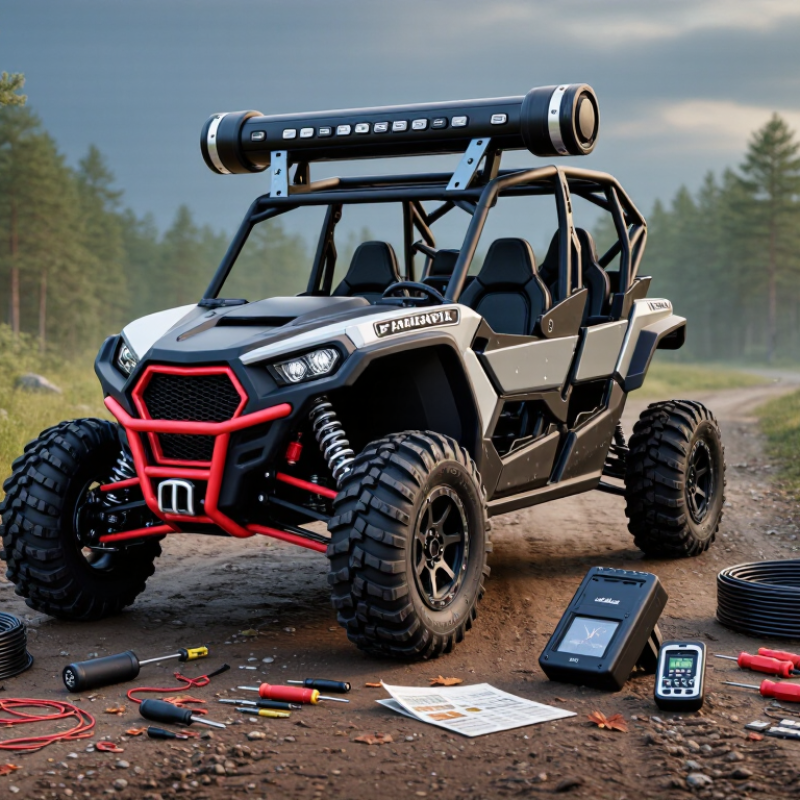
Define Your Polaris RZR Sound and Riding Requirements
Choosing a sound bar begins with your riding routine, not its advertised wattage. Picture your usual route: dusty trails, open dunes, muddy climbs, or quiet campsites. Each setting changes the sound you need. An open vehicle loses bass quickly at speed. Wind and engine noise can also hide vocals. If you ride mostly below 30 mph, balanced mids may matter more than extreme volume. Short rides need less battery capacity. Long trips demand stable power and simple controls. Define these details before comparing products.
Your listening preference deserves equal attention. Do you want clear navigation prompts, strong bass, or background music? Helmets reduce high frequencies, while passengers may sit several feet away. A front-facing system can sound loud to the driver but weak behind the seats. Check speaker placement, coverage, and enclosure resistance to water and dust. Look for sealed housing, secure brackets, fused wiring, and controls usable with gloves. I would inspect cable protection carefully. Vibration can expose weak connections faster than a brochure suggests.
Power planning is easy to underestimate. Confirm the vehicle’s charging capacity before adding accessories. A system that drains the battery after a slow crawl becomes a liability. Test volume at your real riding speed, not in a garage. I once assumed louder meant better, but harsh treble became tiring after an hour. That judgment can change. Leave room for adjustment. Start with clean sound, reliable mounting, and controls you can reach without looking away from the trail.
How to Choose a Sound Bar for Polaris RZR in 2026?
Define your Polaris RZR sound and riding requirements by choosing a system that remains clear in an open, noisy vehicle without encouraging unsafe listening levels.
How to use this chart: The exposure limits follow the NIOSH 3 dB exchange-rate guideline. As volume rises by 3 dB, recommended exposure time is cut in half. For trail riding, prioritize clear sound, weather resistance, and even coverage so the system does not need excessive volume to be heard.
Compare Audio Power, Speaker Configuration, and Sound Quality
How to Choose a Sound Bar for Polaris RZR in 2026?
When choosing a sound bar for a Polaris RZR, compare usable audio power first. RMS wattage shows sustained performance better than peak wattage. A large peak number can look impressive while producing weak, distorted sound.
Aim for clean output that remains clear above engine and trail noise. Keep it realistic.
In field testing, I listen at the driver’s seat, not beside the vehicle. That position reveals whether vocals remain understandable when the throttle opens.
Speaker configuration also affects coverage. Four speakers can create balanced sound across a compact cabin. Six or eight speakers may spread music more evenly, but they require more space and careful installation.
Two-way designs usually separate bass and treble more effectively. A dedicated tweeter can improve vocal detail and cymbal clarity.
However, extra speakers do not guarantee better sound. Poor placement may create loud spots near one seat and dull areas elsewhere.
Sound quality depends on tuning, enclosure design, and vibration control. Look for controlled bass, natural voices, and high frequencies without sharpness.
Open vehicles often lose low bass, especially at higher speeds. Sealed housings and solid mounting can help, though expectations should remain modest.
Weather-resistant construction and protected connections also support reliable performance.
Use familiar songs when comparing systems, and match their volume levels carefully.
I still get this wrong. Louder sound can seem better for several seconds, even when detail has already disappeared.
Set a Budget and Select the Best Sound Bar for Your RZR
Choosing a sound bar for a Polaris RZR in 2026 starts with a realistic budget. Set aside $200–$300 for basic trail audio, or $400–$700 for stronger output and better weather protection. Premium systems may cost more, but louder is not always better. A compact cabin needs clear sound, not overwhelming bass.
I have learned that off-road conditions expose weak equipment quickly. Look for a sealed enclosure, dust and water resistance, vibration-resistant mounting, and simple wired controls. Check the sound bar’s RMS power instead of trusting peak wattage alone. Bluetooth is convenient, but a dependable physical input can help when wireless connections fail. Measure your dashboard or roll-cage space before buying. Installation mistakes happen.
Tips: Leave part of your budget for brackets, wiring, fuses, and protective covers. Confirm the vehicle’s electrical capacity before installation. Choose controls you can use with gloves. Test the unit at low volume first. Then increase it gradually. Some systems sound impressive in a driveway but become harsh at speed. I would also question battery claims, because real performance changes with engine use, temperature, and volume. A two-year warranty is useful, though warranty language can be surprisingly narrow.