How to Choose the Right Electric Switches for Your Needs?
Choosing the right electric switches can significantly impact your home or office environment. These small devices manage the flow of electricity, affecting everything from lighting to appliance control. With so many options available, it's easy to feel overwhelmed. Understanding your specific needs is essential.
Every space has unique requirements for electric switches. Consider the types of devices you'll connect. For instance, dimmers are ideal for creating ambiance, while smart switches can enhance convenience. However, it's important to balance functionality with aesthetic appeal. Sometimes, the sleekest design might not offer the best performance.
Selecting electric switches requires careful thought and consideration. You may think you need a complex solution, but simple switches can be effective in many cases. Reflecting on your needs will help you make better choices. Ultimately, the right switches will provide safety and ease of use, contributing to a more pleasant living or working space.
Understanding the Different Types of Electric Switches Available
When selecting electric switches, it's crucial to understand the various types on the market.
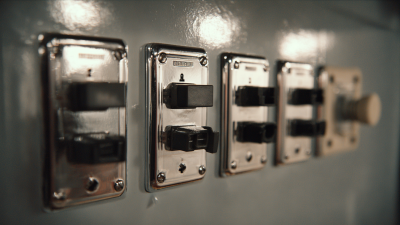
Traditional toggle switches are common and easy to use. They offer a simple on-off function.
Dimmer switches, on the other hand, provide flexibility, allowing users to adjust the brightness. This feature
enhances mood and saves energy.
Another option is the rocker switch, known for its modern design. Rocker switches can control multiple circuits.
They are user-friendly, especially for those with mobility issues. For outdoor settings, consider weatherproof switches.
They resist the elements, making them ideal for patios and gardens.
Tips: Always match the switch type to the application.
Think about where you're installing the switch. Sometimes, aesthetics matter too. A switch must complement
your interior design.
It's also essential to check the electrical ratings before purchasing.
Not all switches can handle high wattage. Overloading can lead to failures or hazards. Ensure you're choosing
the right switch for your devices.
Reflect on functionality versus style. A fancy switch may look nice but could lack necessary
features. Prioritize ease of use and reliability above all. Choosing the right switch enhances safety and functionality
in your space.
Evaluating the Electrical Load Requirements for Your Switch Selection
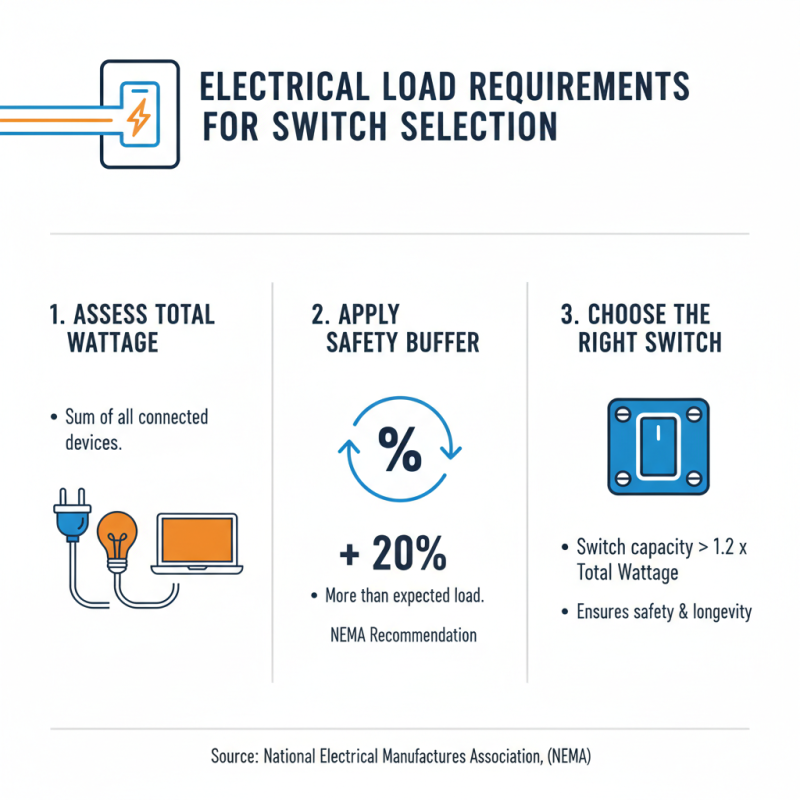
When selecting electric switches, evaluating the electrical load requirements is crucial. Understanding the total wattage your devices will use helps in making informed choices. According to the National Electrical Manufacturers Association (NEMA), a switch should support at least 20% more than the expected load. This buffer ensures the device can handle potential surges without compromising safety.
Different applications often involve varying loads. For instance, lighting fixtures typically draw about 60 watts per bulb, while kitchen appliances can exceed 1500 watts. Therefore, a standard switch rated for 15 amps might not suffice in a high-demand area. It's essential to perform a careful assessment of the total wattage. Underrating a switch can lead to overheating or failure.
Consulting industry standards can help guide the evaluation process. The Institute of Electrical and Electronics Engineers (IEEE) recommends performing regular load calculations. These assessments should be updated whenever you add new devices or upgrade existing ones. This ongoing analysis prevents future challenges and promotes safety. Remember, being proactive in electrical planning ultimately enhances the reliability of your installations.
Considering the Style and Design of Switches for Aesthetic Appeal
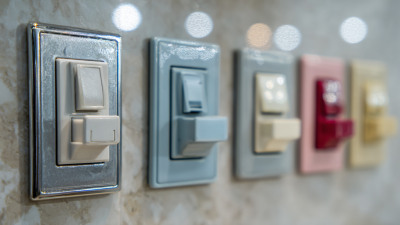
When choosing electric switches, aesthetic appeal is crucial. These elements can either blend seamlessly into your decor or stand out as a design statement. The style of your switches should complement your interior design. For example, modern spaces benefit from sleek, minimalistic designs. In contrast, vintage homes may call for ornate switches with classic finishes. Subtle details in texture and color can enhance the overall look of a room.
Tips for selecting switches include assessing the color palette of your space. Choose colors that harmonize with your walls and furnishings. Additionally, consider the materials used. Metal finishes offer a contemporary vibe, while wooden options can add warmth. The texture is equally important; smooth finishes provide a chic look, while matte surfaces can feel more inviting.
Don’t overlook the size of the switches. Large switches can dominate smaller rooms. Conversely, tiny switches might not be practical in larger spaces. Reflect on the functionality needed. Look for designs that don’t just match your style, but also serve your needs. A blend of beauty and utility ensures your switches add value to your environment.
How to Choose the Right Electric Switches for Your Needs? - Considering the Style and Design of Switches for Aesthetic Appeal
| Switch Type |
Material |
Color Options |
Design Style |
Ideal Use |
| Toggle Switch |
Plastic / Metal |
White, Black, Silver |
Classic |
Living Rooms |
| RockSwitch |
Glass / Metal |
Black, White, Blue |
Modern |
Offices |
| Dimmer Switch |
Plastic |
Cream, White, Black |
Contemporary |
Dining Areas |
| Smart Switch |
Plastic |
White, Black |
Futuristic |
Smart Homes |
| Push Button Switch |
Metal / Plastic |
Various Colors |
Industrial |
Kitchens |
Assessing Safety Features and Compliance Standards in Electric Switches
When selecting electric switches, safety features and compliance standards are paramount. Many consumers overlook compliance with safety regulations. The National Electrical Code (NEC) provides critical guidelines. These guidelines ensure that switches can handle electrical loads safely. In a recent industry report, it was noted that over 30% of electrical failures stem from inadequate switch quality. This statistic underscores the importance of choosing compliant products.
Evaluating the safety features of electric switches is equally important. Look for options with features like overload protection and circuit breakers. Some models include temperature monitoring systems that prevent overheating. The International Electrotechnical Commission (IEC) standards highlight the significance of these features. They reveal that products meeting IEC standards reduce electrical accidents by 25%. However, even compliant switches can fail if not installed properly. Proper installation practices should not be underestimated.
Consumer awareness plays a vital role in electrical safety. Lack of knowledge can lead to purchasing subpar switches. Research indicates that 40% of consumers do not verify product certifications. This gap points to the need for more education about safety features. Understanding the compliance standards can make a significant difference. It is essential for consumers to prioritize informed choices in electric switch selection.
Electric Switches Safety Features Comparison
Exploring Smart Switch Options for Enhanced Functionality and Control
When considering smart switches, functionality and control are paramount. Smart switches offer advanced options, enhancing convenience in home automation. These devices can integrate with existing smart home systems. They allow you to manage lighting from your smartphone or voice-controlled devices. Imagine dimming lights or scheduling them to turn on and off while you’re away. This could prevent unwanted guests and save energy.
Not all smart switches are the same. Compatibility matters. Some work only with specific smart home ecosystems. This can be frustrating if you have different devices at home. Before purchasing, check compatibility with your current systems. Installation can also be tricky. Improper setup may lead to malfunctions or safety issues. It's essential to follow guidelines precisely or hire an expert for installation.
Enhanced functionality requires careful consideration. Think about your lifestyle. Do you need dimmers or motion sensors? A switch that adjusts based on room occupancy can save energy and enhance comfort. Always consider where you’ll place these switches. Their location can significantly impact their usability. Regularly assess your needs as they evolve. What works today may not fit tomorrow’s requirements. Balancing advanced features with practical usability is key.