2026 How to Select Passive Components for Your Electronic Projects?
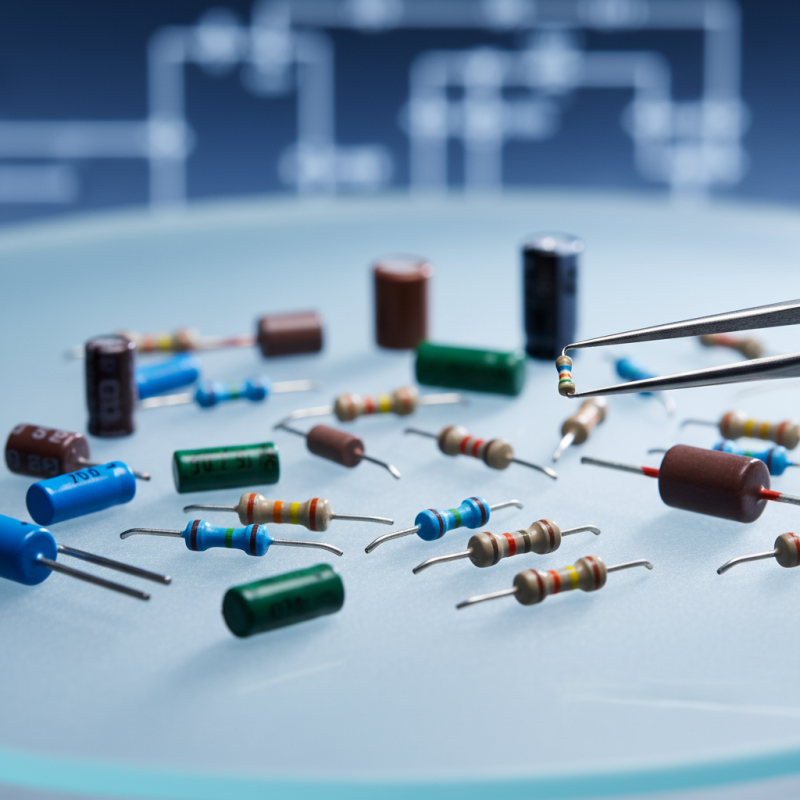
Selecting passive components for electronic projects is crucial yet often overlooked. These components play a vital role in circuit design. They include resistors, capacitors, and inductors. Each has specific functions that can impact overall performance.
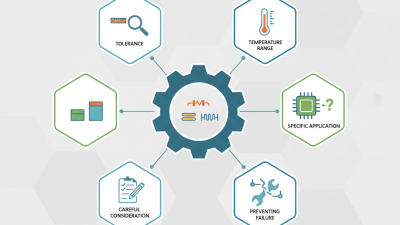
Understanding passive components requires experience and knowledge. Designers must consider factors like tolerance, voltage rating, and frequency response. Choosing the right values can prevent potential issues. For instance, using a capacitor with too low a voltage rating can lead to failure.
A thoughtful selection process can enhance design reliability. However, many engineers may overlook essential details. This can lead to inefficiencies or limitations in project outcomes. The ability to analyze and reflect on these choices can foster innovative solutions in electronic design.
Understanding Passive Components: Types and Functions
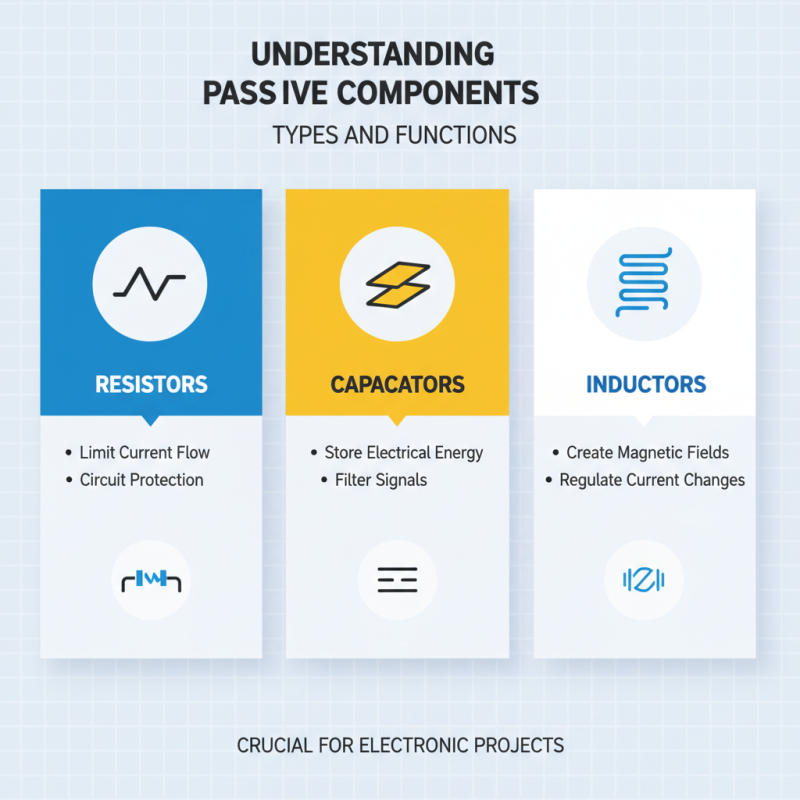
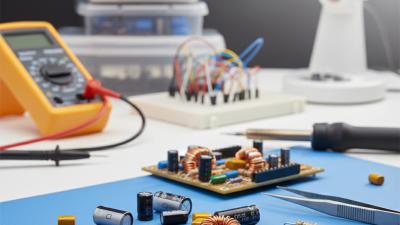
When working on electronic projects, understanding passive components is crucial. Passive components include resistors, capacitors, and inductors. Each type serves a unique purpose. For example, resistors limit current flow, while capacitors store electrical energy. Inductors can create magnetic fields. Knowing these functions helps in selecting the right components for your project.
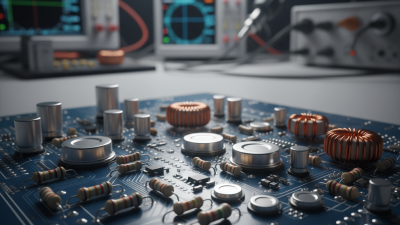
Capacitors come in various types. Some are used for filtering, while others are for coupling signals. Choosing the right capacitance value impacts performance significantly. Similarly, inductors vary in size and resistance. A larger inductor usually stores more energy, which can be beneficial in certain applications.
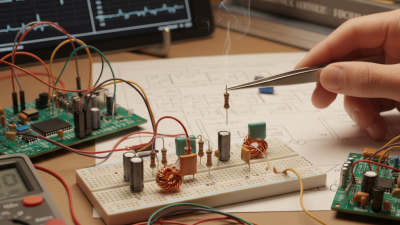
Selecting passive components might seem straightforward, but it can be challenging. Misjudging the required specifications can lead to project failure. For instance, using an incorrect resistor can alter circuit behavior. Experimentation and reflection on previous selections can guide better choices. Engaging in discussions with knowledgeable peers often reveals insights that aren't immediately apparent. This process not only enhances your understanding but also promotes better decision-making in future projects.
Key Factors to Consider When Selecting Passive Components
Choosing the right passive components is crucial for any electronic project. Consider the basic specifications and tolerances. Resistors, capacitors, and inductors each have unique properties. For example, a 10% tolerance on a resistor can lead to deviations that affect performance. Accurate specifications are essential.
Thermal stability is another key factor. Components can behave differently under varying temperatures. Reports show that up to 30% of component failures stem from thermal issues. Proper heat management can extend the lifespan of your project.
Reliability is paramount. The failure rates of passive components can vary widely. According to industry studies, capacitors can have a failure rate of 50% over ten years if not chosen correctly. Don't overlook the importance of sourcing from trusted manufacturers. Even minor oversights can lead to greater problems down the line. Consider the electromagnetic compatibility of components too; it impacts overall device performance significantly.
Reflecting on component selection can lead to better outcomes. It's worth investing time in research to avoid mistakes.
Evaluating Specifications: Voltage, Current, and Temperature Ratings
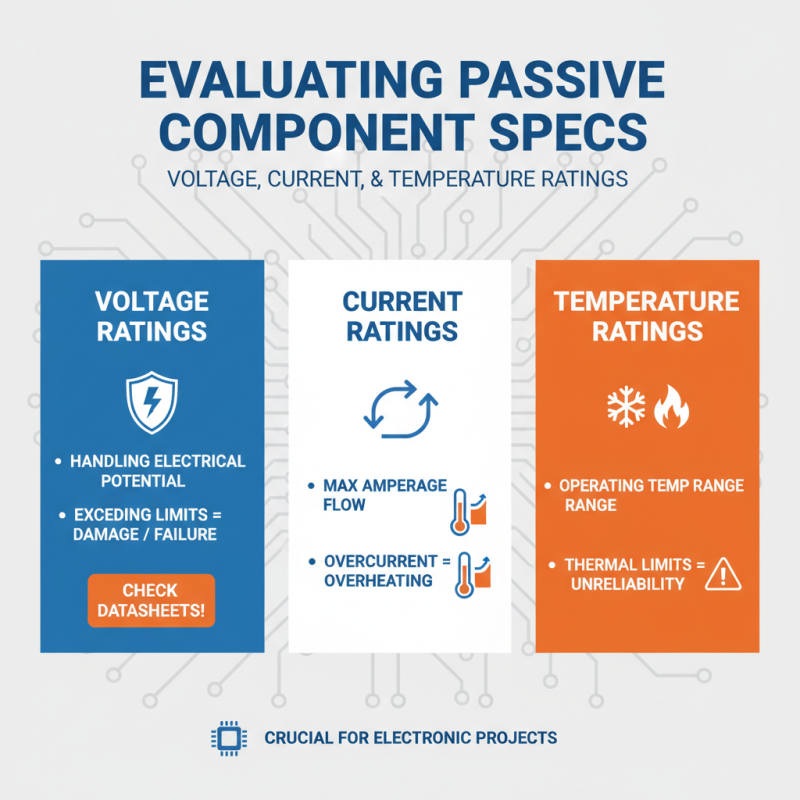
When selecting passive components for electronic projects, evaluating specifications such as voltage, current, and temperature ratings is crucial. Voltage ratings determine how much electrical potential a component can handle without failing. If you exceed this limit, it can lead to damaging consequences. Components can become unreliable or even fail catastrophicly. Always refer to datasheets to ensure compatibility with your project’s voltage requirements.
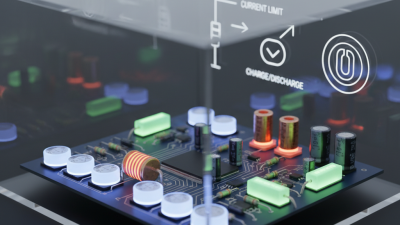
Current ratings indicate how much current can safely flow through a component. Exceeding the current limit can lead to overheating and eventual failure. Consider the worst-case scenario for your circuit. Will your component endure spikes in current? Assess your project’s overall design to avoid underestimating this specification.
Temperature ratings are equally important. Components often function well within a specified temperature range. But, can they handle fluctuations? A hot environment can affect performance. Choose components that are rated for higher temperatures to ensure longevity and stability in various conditions. It’s essential to learn from previous projects. Skipping these assessments can have long-term effects on your electronics. Always verify each rating carefully for the best results.
Application-based Selection: Matching Components to Project Needs
When embarking on electronic projects, the selection of passive components is critical. Understanding the specific application requirements helps in making informed choices. Different projects call for varying levels of resistance, capacitance, or inductance. For instance, a high-frequency application may require low capacitance to minimize signal loss. This illustrates that component capabilities should match the project's goals.
Consider the environmental conditions as well. Passive components often have temperature ratings. An unreliable choice can lead to failures in extreme settings. An experiment may use components rated for standard conditions, but extra heat can cause unexpected behavior. Testing under actual project conditions is essential. Observing component performance over time might reveal potential shortcomings.
Documentation and specifications provide valuable insights into a component's expected behavior. However, gaps in documentation can lead to misunderstandings. Never overlook the importance of physical layouts and connections. Poor component placement can affect performance, leading to reflections or interference. Reflecting on both the theoretical and practical aspects can enhance the overall design process.
Testing and Reliability: Ensuring Long-Term Performance of Passive Components
When working on electronic projects, the reliability of passive components is crucial. Components like resistors, capacitors, and inductors must withstand temperature variations and humidity over time. Testing these components before integration is essential to ensure they meet performance specifications.
One effective method for assessing reliability is to conduct accelerated life testing. This involves subjecting components to stress conditions. By simulating extreme environments, you can identify potential failure points early in the design process. Regular visual inspections can also help detect physical damage or wear, which might not be evident during initial testing.
Tips: Always choose components with a proven track record in similar applications. It's advisable to review datasheets critically. Sometimes, overlooked specifications can compromise performance. Engage with peers or professionals to gain insights into component selections based on real-world experiences. Analyze past failures to avoid repeating mistakes. This approach enhances the reliability of your projects.