Top Tips for Choosing the Right Electronic Sensors?
Electronic sensors play a critical role in various industries, impacting everything from manufacturing to healthcare. By 2025, the global electronic sensors market is expected to exceed $30 billion, according to industry reports. Selecting the right electronic sensors is essential for ensuring optimal performance and reliability in applications.
Understanding the specifications and functionality of electronic sensors is vital. Many users struggle with this due to the myriad of options available. For instance, the accuracy, sensitivity, and response time of sensors can significantly affect system outcomes. A poorly chosen sensor can lead to failures, increased costs, or safety hazards.
Industry experts emphasize the importance of rigorous evaluation criteria when selecting sensors. Assessing factors such as environmental conditions, application requirements, and compatibility with existing systems is crucial. The decision-making process can be daunting, but informed choices lead to better performance and longevity of operations. As technology evolves, staying updated on sensor innovations is necessary for optimal decision-making.
Understanding the Different Types of Electronic Sensors Available
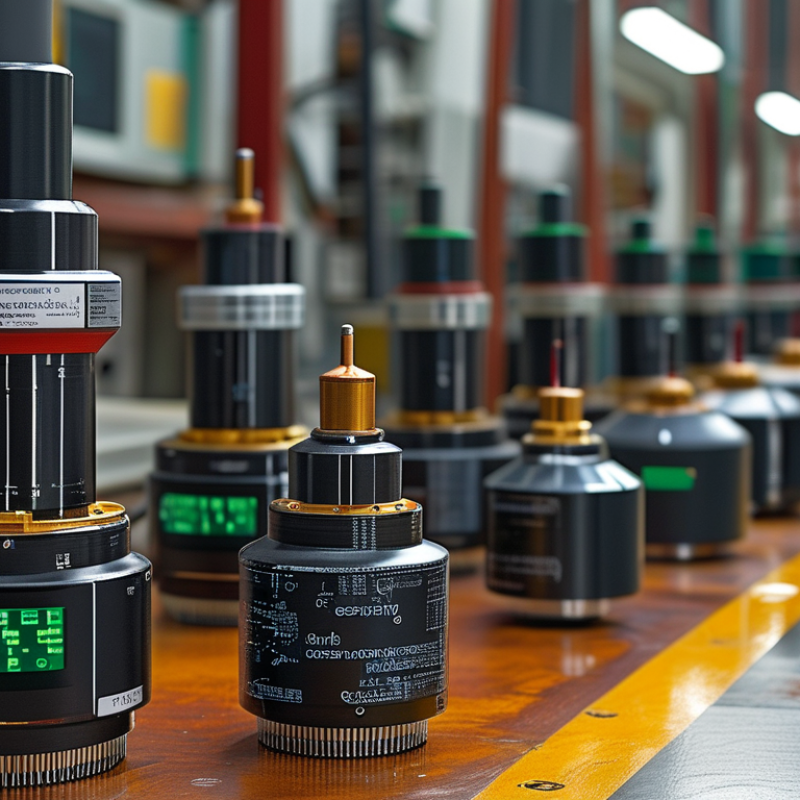
When selecting electronic sensors, understanding the various types available is essential. Sensors can be broadly categorized into categories like temperature, pressure, proximity, and light sensors. Each type has a unique application and functionality. For instance, temperature sensors are crucial in HVAC systems. They help ensure optimal indoor climate, enhancing energy efficiency. Proximity sensors are widely used in manufacturing to detect the presence of objects, aiding in automation processes.
Different sensors come with distinct features and limitations. Not all sensors work optimally in every environment. For instance, certain humidity levels can affect the performance of specific sensors.
It's important to assess your environment before making a selection. Choosing the wrong type can lead to unreliable data and increased costs. Understanding specifications is just as crucial. Review factors like sensitivity, response time, and operating range. Overlooking these may lead to issues in system functionality. Users often find themselves caught in the specifications maze, struggling to prioritize which features matter most.
Take time to reflect on your specific needs. Clarity in project goals can greatly simplify sensor selection.
Key Factors to Consider When Selecting Electronic Sensors
When selecting electronic sensors, several key factors deserve consideration. The range of applications has expanded, leading to increased complexity in sensor types. Reports suggest that the global sensor market is projected to reach $157 billion by 2028, showcasing a growing demand for varied sensor capabilities.
One crucial aspect is the sensor's environment. Different sensors perform better in specific conditions, such as extreme temperatures or humidity levels. Understanding the operating environment can prevent failure and ensure reliability. Sensor accuracy is another vital factor. Precision can vary greatly among sensors, impacting overall system effectiveness. For instance, in critical applications like healthcare, even minor inaccuracies can lead to significant issues.
Always check compatibility with existing systems. Sensors must integrate seamlessly to function correctly. Look for user feedback and case studies to understand how others have navigated similar challenges. Utilizing a metrics-based approach can guide your decision. Remember to assess lifespan and maintenance needs. Complex sensors may offer better performance but could lead to higher maintenance costs. Reflect on your project's scope and budget before finalizing your choice.
Evaluating Sensor Specifications and Performance Metrics
When selecting electronic sensors, understanding their specifications is crucial. Look for key metrics like sensitivity, accuracy, and response time. These factors will significantly impact the sensor's performance in real-world applications. Sensitivity refers to how well a sensor detects changes, while accuracy gauges how closely the sensor's readings match the actual values. Poor choices here can lead to unreliable data and ineffective system performance.
Consider performance metrics that matter most to your project. For instance, the range of measurement should align with your application needs. Additionally, evaluate environmental resilience, like temperature or humidity tolerance. It's essential to ensure the sensor's robustness and adaptability. Sometimes, sensor datasheets do not present this information clearly. Users must dig deeper to verify claims or conduct tests for real-life performances.
It's easy to overlook the importance of calibration and drift over time. Regular checks ensure sustained accuracy. Pay attention to mounting techniques too, as improper installations can skew results. Finding the right balance between performance and durability is often a process of trial and error. Taking time to analyze these details can save time and resources in the long run, leading to successful applications in your projects.
Top Tips for Choosing the Right Electronic Sensors
This bar chart represents various metrics to consider when selecting electronic sensors. Key specifications such as accuracy, response time, power consumption, operating range, and cost are evaluated to aid in making informed decisions.
Assessing Compatibility with Existing Systems and Applications
When selecting electronic sensors, assessing compatibility with existing systems is crucial. According to a report by MarketsandMarkets, the global sensor market is projected to reach $196.62 billion by 2025, highlighting the growing demand for efficient integration. Companies often overlook system compatibility, leading to costly reworks and production delays.
Modern electronic systems often encompass diverse technologies. A 2021 study revealed that nearly 42% of organizations experienced challenges integrating new sensors with legacy systems. This lack of synergy can result in data discrepancies and operational inefficiencies. Hence, ensuring compatibility requires a thorough evaluation of technical specifications, including communication protocols and power requirements.
Compatibility assessments should also consider software interfacing. Interoperability between varying platforms can be complex. Data from the International Society of Automation indicates that 35% of sensor failures are attributed to compatibility issues. Investing time in initial assessments can mitigate risks and streamline the implementation process. Take time to thoroughly assess your applications and long-term goals to ensure a successful integration of new sensor technologies.
Top Tips for Choosing the Right Electronic Sensors
| Sensor Type |
Operating Principle |
Compatibility |
Applications |
Cost Range |
| Temperature Sensor |
Thermocouple, RTD |
Microcontrollers, Data Loggers |
HVAC, Industrial Automation |
$10 - $200 |
| Pressure Sensor |
Piezoelectric, Capacitive |
PLC, SCADA Systems |
Automotive, Aerospace |
$15 - $300 |
| Light Sensor |
Photodetector, LDR |
Cameras, Smart Homes |
Environmental Monitoring, Security |
$5 - $150 |
| Proximity Sensor |
Inductive, Capacitive |
Robotics, Manufacturing |
Automated Systems, Automotive |
$10 - $250 |
| Flow Sensor |
Thermal, Electromagnetic |
Control Systems, HVAC |
Water Management, Chemical Processing |
$20 - $400 |
Cost-Effectiveness and Budget Considerations in Sensor Selection
When considering electronic sensors, cost-effectiveness is crucial. According to a recent industry report, approximately 45% of companies prioritize budget when selecting sensors. This highlights the need to balance quality and affordability. Lower-cost sensors may compromise performance. Therefore, assess long-term savings versus initial costs.
Evaluate specific application requirements. If precision is necessary, invest in reliable sensors. They may cost more upfront but can save in the long run. For instance, reports suggest that high-quality sensors reduce maintenance costs by up to 30%. Always consider potential operational inefficiencies that cheaper sensors might introduce.
In sensor selection, do not overlook hidden costs. Environmental factors like temperature and humidity can affect sensor performance. Precision sensors typically perform better under variable conditions, thus reducing replacement frequency. Analyze the total cost of ownership, which includes installation and maintenance. Opting for a slightly more expensive yet durable sensor can positively impact your overall budget. These details often make the difference in sensor longevity and performance.