Essential Tips for Sourcing Passive Components Efficiently?
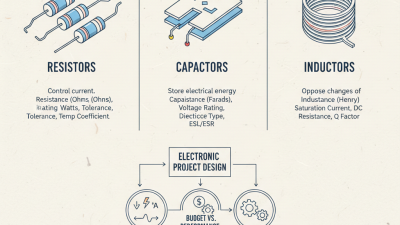
In the ever-evolving world of electronics, sourcing passive components efficiently is crucial for success. These components, such as capacitors, resistors, and inductors, play a vital role in circuit performance. Sourcing them may seem straightforward, but challenges often arise.
Many factors influence the sourcing process. Manufacturers vary in their quality and delivery times. Understanding these nuances requires experience and expertise. Engineers must consider reliability over price. A lower cost can lead to poor performance in the long run.
Building relationships with suppliers is essential. Effective communication can prevent delays and misunderstandings. It's important to regularly evaluate your sourcing strategies. Reflecting on past decisions helps improve future outcomes. This journey through the sourcing of passive components calls for attention and diligence. It can significantly impact project success and overall efficiency.
Understanding the Types of Passive Components and Their Applications
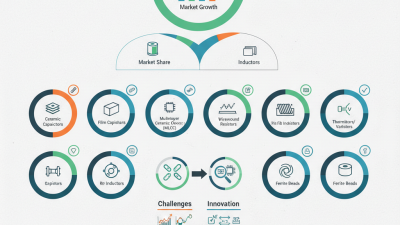
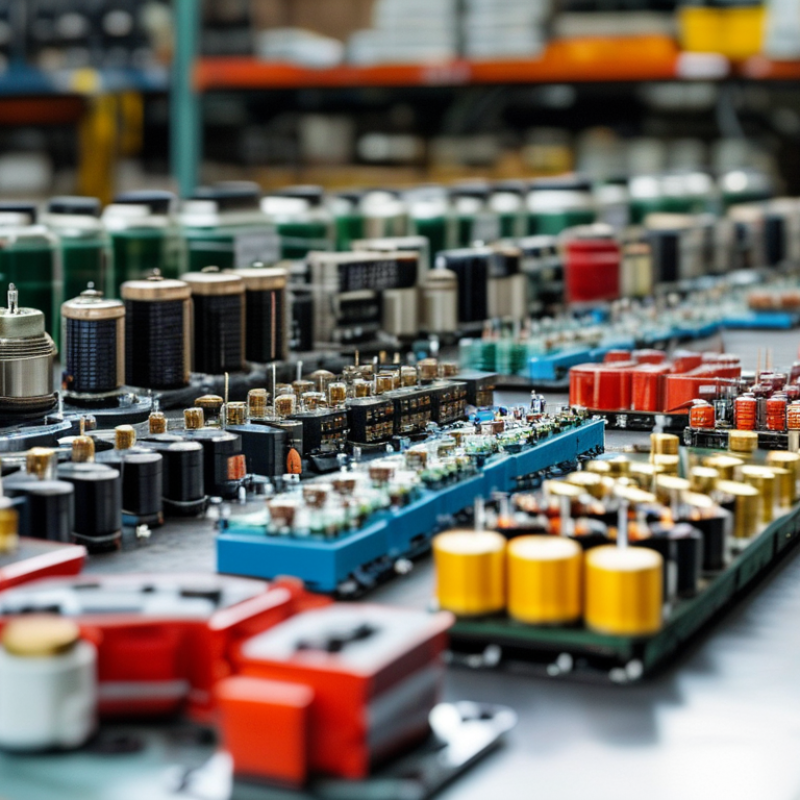
Passive components are vital in modern electronics, encompassing resistors, capacitors, and inductors. These components do not amplify signals but play crucial roles in electrical circuits. According to a report by the International Data Corporation (IDC), passive components account for approximately 30% of the overall electronic component market. This statistic underscores their significance in the industry.
Resistors manage current flow and voltage levels while maintaining circuit stability. Capacitors store and release energy, often smoothing out voltage fluctuations. Inductors, on the other hand, manage magnetic fields in circuits. The 2022 Global Passive Components Market report indicated that capacitors are the most widely used passive components, accounting for 40% of total passive component demand. Understanding these functions can enhance circuit design and efficiency.
Sourcing the right passive components efficiently requires an understanding of their applications across various industries. Automotive, consumer electronics, and telecommunications all rely heavily on these components. Missteps in sourcing can lead to performance issues or product failures. Thus, evaluating supplier reliability and component specifications is essential. Keeping abreast of industry trends helps in making informed decisions about sourcing, contributing to overall product success.
Evaluating Supplier Reliability: Metrics and Best Practices
When sourcing passive components, evaluating supplier reliability is crucial for efficient procurement. A few metrics can help ensure you choose trustworthy suppliers. Start by analyzing their delivery performance. Timely deliveries reduce production delays. Check customer reviews for feedback on quality and service consistency.
One effective method to assess reliability is through audit reports. Request access to any recent quality management assessments. This insight reveals a supplier's commitment to maintaining high standards. Additionally, it’s wise to look for certifications indicating industry compliance. A supplier with recognized certifications typically adheres to stringent quality protocols.
While assessing suppliers, consider conducting small-scale trials first. This approach allows you to gauge their response to orders and quality before making larger commitments. Frequent communication helps resolve issues swiftly. Remember, establishing a reliable relationship with suppliers takes time and effort. It’s essential to stay vigilant and adapt to any changes in supplier performance.
Supplier Reliability Metrics for Passive Components
Cost Analysis: Balancing Quality and Price in Passive Component Sourcing
Sourcing passive components effectively requires a balanced approach between quality and price. Understanding your project requirements is key. High-quality components generally ensure better performance and durability. However, they often come with a higher cost. Make sure to evaluate the total cost of ownership, including installation and maintenance expenses.
One common oversight is focusing exclusively on upfront costs. Some suppliers offer low prices but may compromise on quality. This can lead to higher failure rates and additional costs down the line. Conversely, investing in higher quality components can enhance reliability and extend product life. Gather data on component performance and reliability to base your decisions on tangible metrics.
Negotiation plays a crucial role as well. Building strong relationships with suppliers can lead to better pricing and terms. Consider alternative sourcing strategies, like bulk purchasing or long-term agreements. This often results in significant savings. Always reflect on feedback from past projects to guide your sourcing decisions. Continuous improvement based on previous experiences can close the cost-quality gap effectively.
Supply Chain Optimization: Strategies for Efficient Passive Component Procurement
Efficient procurement of passive components requires a well-structured approach to supply chain optimization. Understanding market dynamics is crucial. Establishing strong relationships with reliable suppliers can lead to better terms and reduced costs. Regularly evaluating supplier performance ensures that you are sourcing components that meet your specifications on time.
Investing in technology can streamline the procurement process. Implementing inventory management systems allows for real-time tracking of component availability. Data analytics plays a key role here. It aids in forecasting demand and minimizing excess stock, which is often a source of wastage.
However, communication gaps can arise in partnerships. They may lead to misunderstandings about component specifications or delivery timelines. Clear, concise communication is vital. Regular check-ins can prevent potential delays and misunderstandings, fostering a more reliable supply chain. Adapting strategies based on feedback and changing market conditions enhances overall procurement efficiency.
Emerging Trends in Passive Components and Their Impact on Sourcing Decisions
The passive components market is evolving rapidly. One key trend is the increased focus on sustainability. Manufacturers are seeking environmentally friendly materials and processes. This shift influences sourcing decisions significantly. Companies now prioritize suppliers that demonstrate commitment to green practices. Reliability often takes a back seat to sustainability, creating new challenges.
Another trend is the miniaturization of components. Smaller sizes lead to higher integration in designs. This change impacts how engineers select and source these parts. They must consider tolerance and performance in tight spaces. Sourcing teams might feel pressured to find components that maintain performance while being compact. This can lead to potential shortages if manufacturers cannot keep up with demand.
Emerging technologies drive innovation in passive components. High-frequency applications require advanced capacitors and inductors. Sourcing decisions must adapt to these technological changes. Suppliers that can provide cutting-edge solutions often gain an advantage. However, not all suppliers keep pace with innovation. This inconsistency can lead to doubt when making sourcing choices. Developing a balanced approach towards innovation and reliability is essential for effective sourcing.