Top 10 Tips for Managing Your Electronics Supply Chain Effectively
In today’s fast-paced global market, managing the electronics supply chain effectively has become a critical concern for businesses aiming to stay competitive. According to a recent report from Gartner, nearly 80% of global supply chain executives are now prioritizing supply chain agility and resilience, which have proven essential in responding to market fluctuations and disruptions. As electronics continue to play an integral role across various industries, from consumer goods to automotive manufacturing, the dynamics of the electronics supply must be meticulously overseen to maintain operational efficiency and meet consumer demands.
Moreover, the electronics supply chain faces unique challenges that include rapid technological advancements, component shortages, and volatile geopolitical conditions. A study conducted by the Institute for Supply Management highlighted that 74% of organizations have experienced significant supply chain disruptions in recent years, emphasizing the need for innovative management strategies. By adopting best practices and utilizing sophisticated technologies, companies can optimize their electronics supply chain processes, leading to improved performance and reduced costs. In this article, we will explore the top ten tips for managing your electronics supply chain effectively, empowering businesses to navigate the complexities and seize opportunities in this ever-evolving landscape.
Understanding the Importance of Electronics Supply Chain Management
Effective management of the electronics supply chain is crucial for businesses aiming to maintain competitive advantages in a dynamic market. As technology evolves rapidly, supply chain management must adapt to ensure timely delivery of components and finished products. This involves not only understanding logistics and procurement but also anticipating market changes, customer demands, and potential disruptions. By focusing on these aspects, companies can streamline their processes, reduce costs, and enhance overall efficiency.
Furthermore, a robust electronics supply chain management strategy fosters stronger relationships with suppliers and stakeholders. Collaboration with key partners can lead to better pricing agreements, improved quality control, and faster response times to market fluctuations. Investing in technology for real-time tracking and data analytics enhances visibility across the supply chain, allowing for informed decision-making. Ultimately, understanding and prioritizing the intricacies of electronics supply chain management can empower businesses to innovate and adapt swiftly in a tech-driven landscape.
Top 10 Tips for Managing Your Electronics Supply Chain Effectively
| Tip Number |
Tip Description |
Importance |
| 1 |
Implement real-time tracking for inventory |
High |
| 2 |
Foster strong relationships with suppliers |
Medium |
| 3 |
Utilize demand forecasting tools |
High |
| 4 |
Streamline communication channels |
Medium |
| 5 |
Adopt lean inventory practices |
High |
| 6 |
Regularly assess supplier performance |
Medium |
| 7 |
Invest in automation technologies |
High |
| 8 |
Establish clear logistics strategies |
High |
| 9 |
Monitor market trends and adapt |
Medium |
| 10 |
Ensure compliance with regulations |
High |
Key Metrics to Measure Supply Chain Efficiency in Electronics Industry
Measuring supply chain efficiency in the electronics industry requires a keen eye on specific key metrics that help organizations gauge their performance. First and foremost, cycle time is a crucial metric; it tracks the duration from order placement to final delivery. Shortening cycle times can significantly enhance customer satisfaction and responsiveness, key factors in a highly competitive market. Additionally, inventory turnover ratio should be monitored closely. This metric reflects how quickly inventory is sold and replaced over a period, indicating demand forecasting accuracy and inventory management effectiveness.
Another critical metric is the perfect order rate, which measures the percentage of orders delivered on time, complete, and undamaged. This metric serves as a comprehensive indicator of overall supply chain health and can help pinpoint areas for improvement within logistics and fulfillment processes. Moreover, focusing on supply chain costs is essential. Analyzing total supply chain costs, including procurement, storage, and transportation, allows organizations to identify inefficiencies and optimize their operations for better profitability. By consistently tracking these metrics, businesses can refine their strategies, enhance operational efficiency, and ultimately drive growth in an ever-evolving electronics landscape.
Key Metrics to Measure Supply Chain Efficiency in Electronics Industry
Strategies for Strengthening Supplier Relationships in Electronics
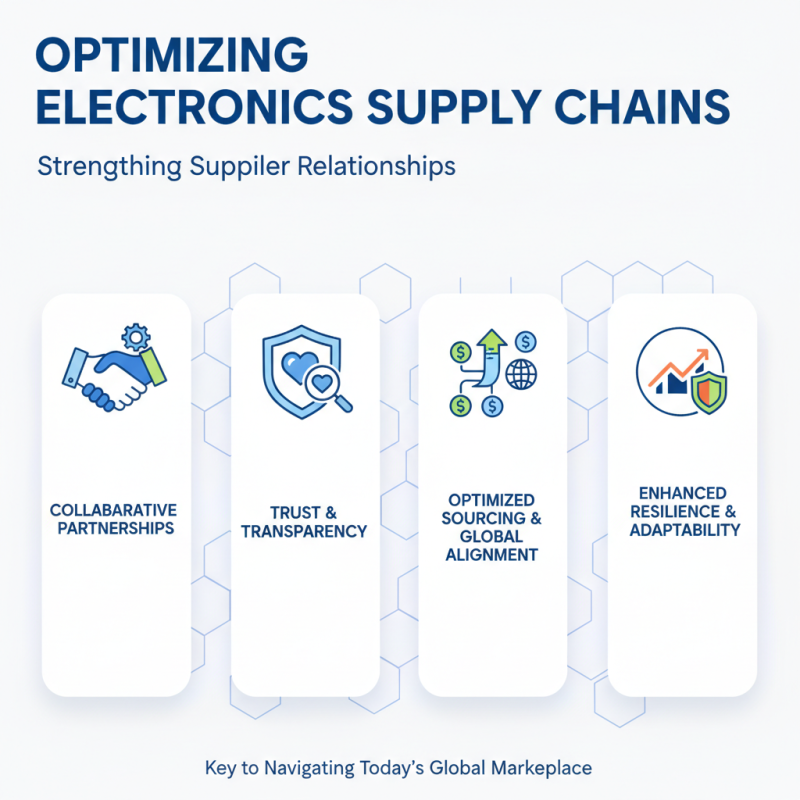
Strengthening supplier relationships in the electronics supply chain is vital for navigating the complexities of today's global marketplace. As highlighted in recent discussions about procurement strategies, organizations must focus on developing collaborative partnerships that foster trust and transparency. This approach allows businesses to optimize sourcing processes while aligning with long-term goals, ultimately enhancing resilience against market fluctuations.
Adapting to supply chain disruptions necessitates a proactive stance, where data-driven decision-making plays a crucial role. By leveraging insights from localized warehousing and strategic alliances, companies can minimize risks and ensure steady production. Furthermore, engaging in open communication with suppliers not only strengthens ties but also encourages innovation and agility, essential attributes for thriving in an ever-evolving technology landscape. Emphasizing these strategies will enable organizations to transform potential volatility into opportunities for growth.
Identifying Risks and Mitigation Techniques in Electronics Supply Chains
Effective management of the electronics supply chain hinges on identifying potential risks and implementing
robust mitigation techniques. One of the primary risks is supply disruption due to events such as natural disasters, geopolitical
tensions, or sudden demand fluctuations. Companies must adopt proactive strategies, such as diversifying suppliers to reduce dependency on single sources,
thus enhancing resilience against these disruptions. Additionally, regular risk assessments can help anticipate and prepare
for potential challenges.
Another critical factor is the volatility of component availability and pricing. Electronics manufacturers should
stay informed about market trends and establish long-term relationships with key suppliers. This collaborative approach not only
ensures better negotiation power but also fosters transparency regarding inventory levels and production schedules. Furthermore,
leveraging technology, such as advanced analytics and supply chain management software, can aid in forecasting demand more
accurately and optimizing inventory management, thus minimizing the impact of shortages or price increases. By systematically
identifying risks and employing effective mitigation techniques, businesses can streamline their electronics supply chains and
improve overall operational stability.
Leveraging Technology for Enhanced Supply Chain Visibility and Control
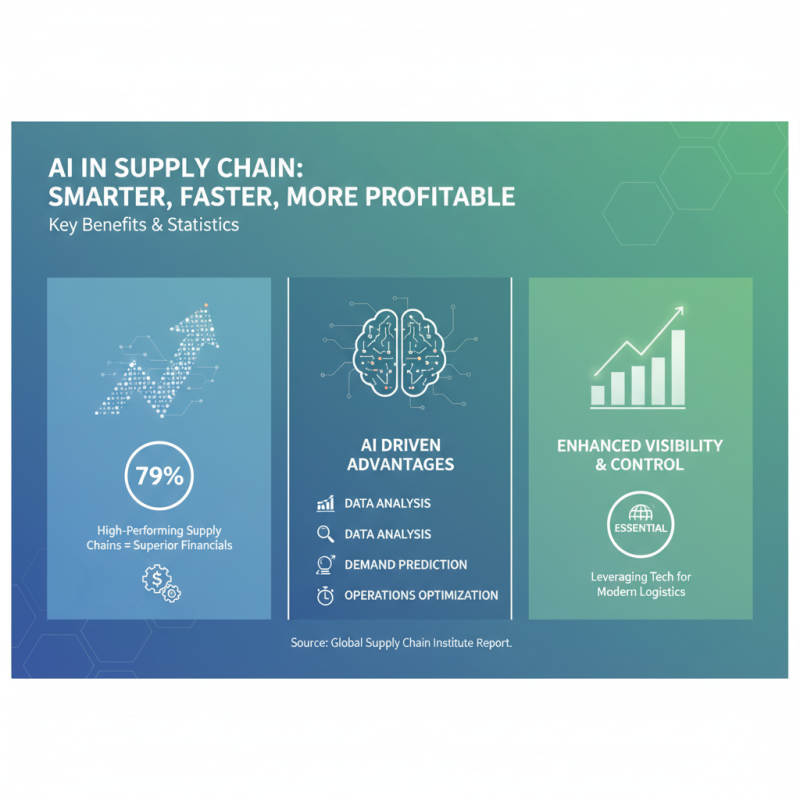
In today's rapidly evolving supply chain landscape, leveraging technology for enhanced visibility and control has become essential. According to a recent report by the Global Supply Chain Institute, approximately 79% of companies with high-performing supply chains achieve superior financial performance. This statistic emphasizes the necessity of integrating advanced technologies such as artificial intelligence (AI), which has proven effective in optimizing logistics and inventory management. With AI tools, businesses can analyze vast amounts of data, predict demand fluctuations, and streamline operations to foster greater efficiency.
Emerging startups are increasingly harnessing the power of AI, creating innovative solutions that focus on sustainability and transparency within the supply chain. A report from McKinsey indicates that adopting a more sustainable supply chain can reduce costs by 20-30% while concurrently improving brand loyalty. Furthermore, technology-driven solutions, such as real-time tracking systems and predictive analytics, enable organizations to manage risks proactively in fluctuating geopolitical climates. The relaunch of Softmar serves as an example of how companies are prioritizing freight risk management and visibility, ensuring that supply chains remain resilient amidst global disruptions.