Top 10 Best Electronic Parts You Need for Your Next Project
When embarking on a new electronics project, selecting the right components can significantly impact the outcome. Whether you're a seasoned engineer or a novice hobbyist, having a reliable set of electronic parts can streamline your workflow and enhance the performance of your project. In the vast landscape of electronic components, understanding the essentials is crucial for building functional and innovative designs.
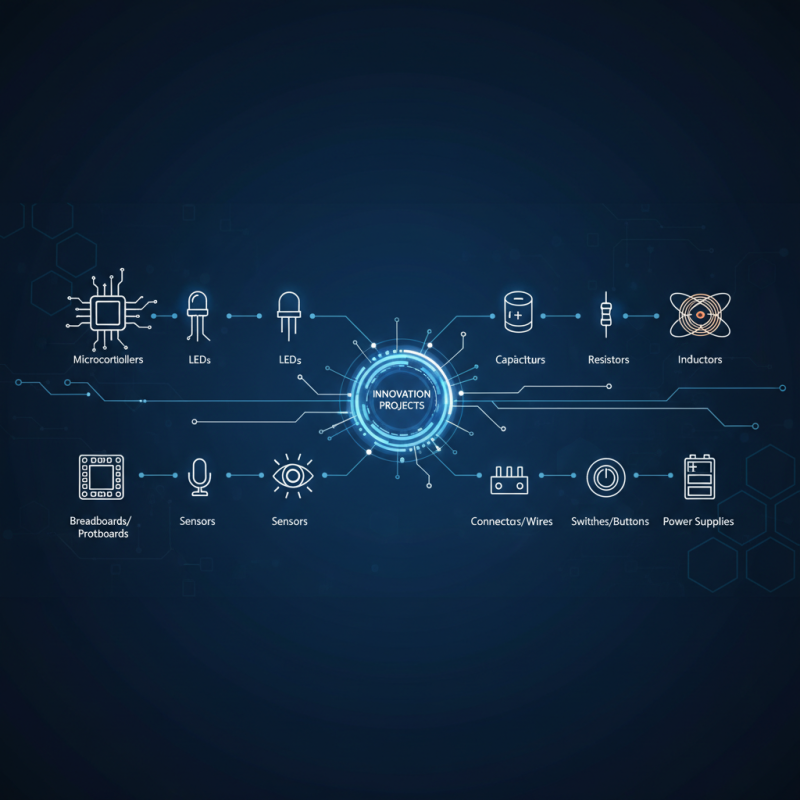
This guide presents the top 10 best electronic parts that every creator should consider incorporating into their next venture. Each component plays a unique role, from microcontrollers that serve as the brains of your devices to sensors that gather data from the environment. We’ll explore the versatility, compatibility, and functionality of these parts, ensuring you have the foundational tools necessary to bring your ideas to life. By familiarizing yourself with these essential electronic parts, you’ll be better equipped to tackle a wide range of projects, foster creativity, and ensure that your inventions meet the highest standards of performance and reliability.
Top 10 Essential Electronic Parts for DIY Electronics Projects
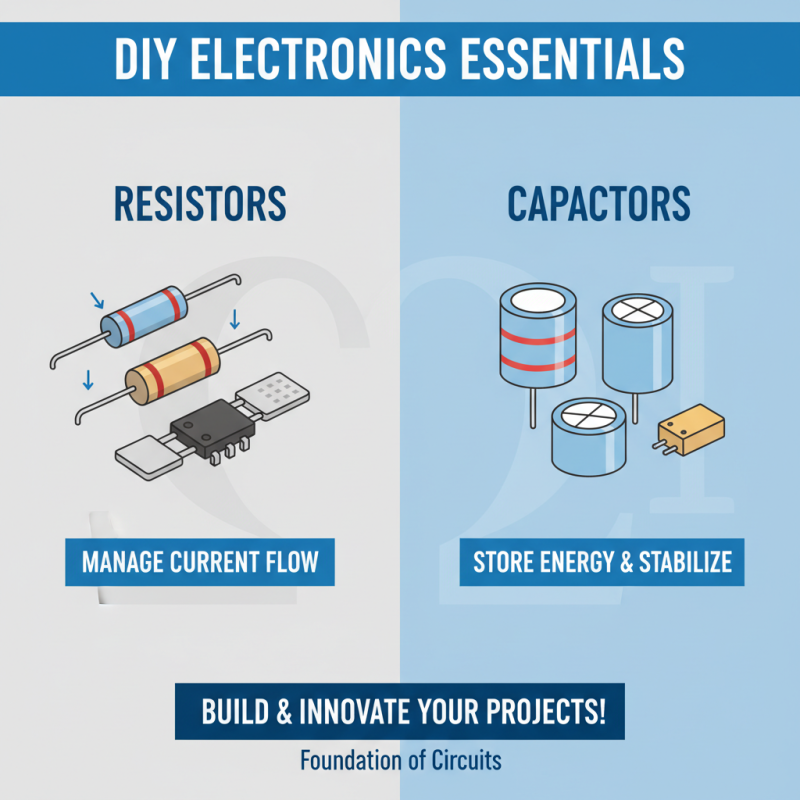
When embarking on a DIY electronics project, having the right components at hand is crucial for success. Essential electronic parts not only facilitate the design and functionality of your project but also enable you to explore your creativity in building and improving devices. At the top of the list are resistors and capacitors. Resistors help manage current flow, while capacitors can store energy, providing stability in varying load conditions. These basic components form the foundation of most circuits and are indispensable for anyone looking to experiment with electronics.
Another key element is the microcontroller, which serves as the brain of your project, allowing you to program and control various functions. This device opens up numerous possibilities for automation and smart applications. Additionally, sensors play a vital role, enabling your project to interact with the environment by detecting changes in light, temperature, or motion. Coupling sensors with modules like displays and wireless communication devices, such as Bluetooth or Wi-Fi adapters, enhances your project’s interactivity and connectivity, offering endless potential for innovation. By mastering these essential components, you’ll be well-equipped to tackle any DIY electronics challenge that comes your way.
Understanding the Role of Microcontrollers in Modern Electronics Design
Microcontrollers have become the backbone of modern electronics design, serving a critical role in various applications from simple gadgets to complex automated systems. These compact integrated circuits are equipped with a processor, memory, and input/output peripherals, enabling them to perform specific tasks efficiently. Their versatility allows designers to create a wide range of devices, from home appliances to automotive controls, making them indispensable in today's technology landscape.
In projects where space and power efficiency are paramount, microcontrollers offer significant advantages. They allow for precise control of hardware components, enabling functionality such as sensor integration, data processing, and communication with other devices. The programmability of microcontrollers allows engineers to adapt their functionality for different applications, making it easier to iterate on designs and incorporate new features. As technology continues to advance, understanding the role of microcontrollers not only enhances design capabilities but also spurs innovation across various fields, from consumer electronics to industrial automation.
Key Specifications to Consider When Choosing Resistors and Capacitors
When embarking on your next electronic project, selecting the right resistors and capacitors is crucial for achieving optimal performance. Resistors are key components that control the flow of electric current, and their specifications can significantly affect the functionality of your circuit. According to a recent report from the International Electrotechnical Commission (IEC), precision resistors with low temperature coefficients ensure minimal drift over varying environmental conditions, enhancing the accuracy of measurements in sensitive applications. Additionally, the power rating of a resistor, often defined in watts, should be compatible with the expected power output of your project to prevent overheating and failure.
Capacitors, on the other hand, play a vital role in energy storage and filtering applications. When choosing capacitors, the dielectric material significantly influences their performance characteristics, such as voltage rating and capacitance stability over time. A study by the Electronic Industries Alliance (EIA) highlights that ceramic capacitors, for instance, exhibit excellent frequency response and low Equivalent Series Resistance (ESR), making them ideal for high-frequency applications. Furthermore, considering the temperature and voltage derating factors can enhance reliability; it is generally recommended to derate capacitors to about 70% of their rated voltage for longevity and performance stability. By understanding these key specifications, you can make informed choices that will enhance the effectiveness of your electronic projects.
The Importance of Integrated Circuits in Streamlining Circuit Design
Integrated circuits (ICs) play a crucial role in modern electronic design, acting as the backbone of countless applications. By integrating numerous functions into a single chip, ICs simplify circuit designs and reduce the overall space required for components. This not only results in a more compact design but also enhances the reliability of electronic systems. As a project creator, leveraging integrated circuits allows for streamlined processes, making it easier to manage complex tasks such as signal processing, power management, and data storage within a single unit.
Tip 1: When selecting integrated circuits for your project, consider the specific application and compatibility with other components to ensure optimal performance. This will help in reducing issues related to signal interference and power consumption.
The importance of ICs extends beyond their functional capabilities; they also contribute to cost efficiency in production. By minimizing the number of discrete components needed, projects can be built with lower material costs and simpler assembly processes. Moreover, integrated circuits often come with built-in functionalities such as analog-to-digital converters or operational amplifiers, which can significantly reduce the need for additional components.
Tip 2: Familiarize yourself with different types of integrated circuits available in the market. Understanding their specifications and applications will help you select the most suitable options for your specific design needs.
Exploring the Versatility of Sensors in Various Electronic Applications
In today's rapidly evolving technological landscape, sensors play a pivotal role across various electronic applications, making them indispensable for modern project developers. According to a recent report by MarketsandMarkets, the global sensor market is projected to reach $320 billion by 2026, growing at a compound annual growth rate (CAGR) of 7.5%. This growth is fueled by the increasing demand for automation and the integration of smart technologies in industries such as healthcare, automotive, and consumer electronics.
The versatility of sensors is evident in their ability to collect and process data in real-time, enabling innovative applications in diverse fields. For instance, in smart homes, motion sensors facilitate automated lighting and security systems, improving energy efficiency and enhancing safety measures. In the automotive sector, proximity sensors assist in parking and collision detection, contributing to the development of autonomous vehicles. Furthermore, environmental sensors monitor air quality and climate conditions, providing crucial data that informs policies and public health initiatives. As the Internet of Things (IoT) continues to expand, the adoption of sensors is becoming even more critical, creating endless opportunities for engineers and developers to explore novel applications in their projects.
Top 10 Best Electronic Parts You Need for Your Next Project - Exploring the Versatility of Sensors in Various Electronic Applications
| Sensor Type |
Application |
Operating Voltage |
Output Type |
Price Range |
| Temperature Sensor |
Climate Control |
3V - 5V |
Analog |
$1 - $10 |
| Ultrasonic Sensor |
Distance Measurement |
5V |
Digital |
$2 - $15 |
| PIR Motion Sensor |
Security Systems |
5V |
Digital |
$3 - $12 |
| Light Sensor |
Automatic Lighting |
3V - 5V |
Analog |
$1 - $8 |
| Gas Sensor |
Air Quality Monitoring |
5V |
Analog |
$10 - $30 |
| Humidity Sensor |
Weather Stations |
3V - 5V |
Digital |
$5 - $20 |
| Accelerometer |
Motion Detection |
5V |
Digital |
$3 - $15 |
| Pressure Sensor |
Weather Monitoring |
3V - 12V |
Analog |
$10 - $50 |
| Proximity Sensor |
Touchless Switches |
5V |
Digital |
$2 - $10 |