Top 10 Chromium Carbide Overlay Plate Types?
Chromium Carbide Overlay Plate is widely used where abrasive wear steadily removes metal from chutes, hoppers, liners, and transfer points. Mining, cement, steel, and energy facilities often depend on these plates to extend maintenance intervals. The World Steel Association reported global crude steel production above 1.8 billion tonnes in 2023, showing the scale of industrial equipment exposed to severe wear. The USGS Mineral Commodity Summaries 2025 also identifies chromite as a strategic source of chromium, an essential element in wear-resistant alloys and engineered surfaces.
Yet, “top” does not mean universally best. A plate that survives iron-ore impact may fail under cement abrasion or thermal cycling. This guide compares ten major Chromium Carbide Overlay Plate types through practical selection factors. These include carbide chemistry, matrix hardness, overlay thickness, crack patterns, weldability, impact resistance, and operating temperature. Details matter. A 10-millimeter plate may protect a transfer chute, while a thinner plate may suit a curved pipe section.
Field experience remains important. Laboratory hardness values cannot fully predict performance beside a vibrating conveyor or a wet slurry line. ASTM testing methods, manufacturer certificates, and documented wear trials provide stronger evidence than marketing claims alone. Reports from GlobalData and Grand View Research describe continued demand for wear-resistant materials across mining and heavy industry, but market forecasts vary by region and application.
This ranking is therefore a working guide, not a final verdict. Some categories overlap. That is worth admitting. Site conditions, welding quality, and installation accuracy can change the result more than the product label.
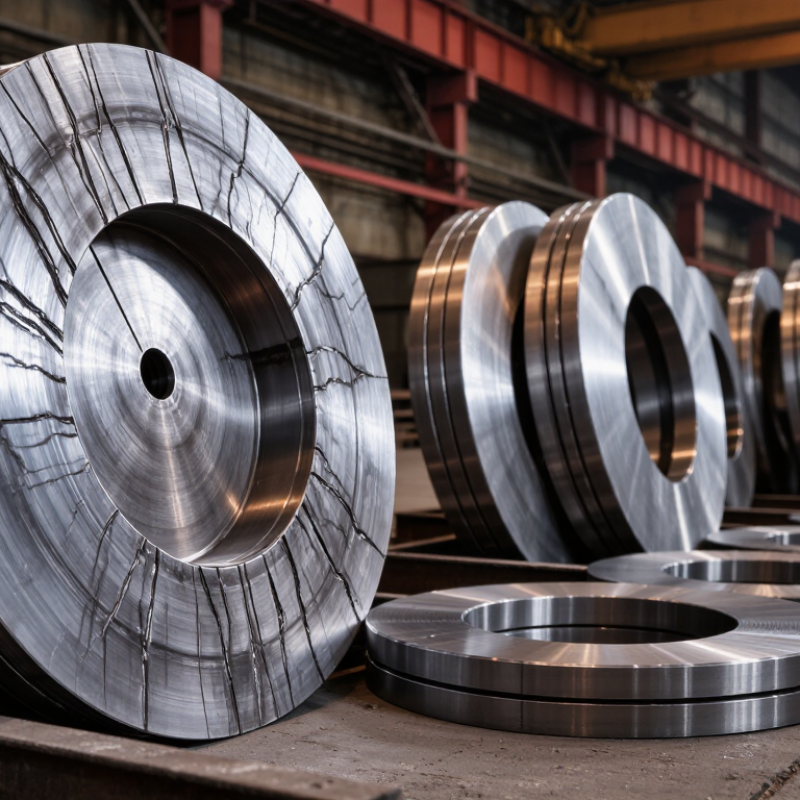
Chromium Carbide Overlay Plate: Structure and Working Principle
Top 10 Chromium Carbide Overlay Plate Types?
Chromium Carbide Overlay Plate: Structure and Working Principle
Chromium carbide overlay plate usually has two main layers: a tough steel base and a wear-resistant alloy surface. The base provides support, bending strength, and easier installation. The overlay contains chromium-rich carbides inside an iron-based matrix. These hard particles act like small shields against sliding minerals, coal, sand, and sharp impact. The metallurgical bond is created through controlled welding, not simple coating or painting.
The ten common plate types differ by base steel, carbide concentration, overlay thickness, welding method, and crack pattern. Single-layer plates suit moderate abrasion and easier forming. Multi-layer plates offer greater wear life but may become less flexible. Plates with finer carbides often resist cutting wear, while coarser carbides can perform better under stronger impact. Performance is never based on hardness alone. Actual results depend on material size, impact angle, temperature, and installation quality.
Tips: Check the working surface after service begins. Fine transverse cracks may release welding stress and can be acceptable, but wide cracks, lifting edges, or exposed base metal need attention. Keep accurate records of plate thickness, wear depth, and operating conditions. A simple mistake remains possible: selecting an extremely hard plate for heavy impact may cause premature cracking. Test a small area first when conditions are uncertain.
Top 10 Chromium Carbide Overlay Plate Types: Structure and Working Principle
Chromium carbide overlay plates use a hard Fe-Cr-C alloy layer bonded to a mild-steel or low-alloy steel backing plate. During service, chromium-rich carbides resist abrasion while the metallic matrix supports impact loading. The values below are representative engineering ranges; actual performance depends on chemistry, deposit process, carbide size, dilution, and test method.
Chart metric: Typical deposited overlay hardness, expressed as Rockwell C (HRC). Higher hardness generally improves resistance to mineral abrasion, while a tougher matrix is preferred where impact and bending are severe.
The Ten Main Types of Chromium Carbide Overlay Plates
Top 10 Chromium Carbide Overlay Plate Types
The ten main types of chromium carbide overlay plates differ by structure, hardness, and working conditions. In practical inspections, I compare the overlay chemistry, base-plate thickness, carbide distribution, and visible crack pattern. The categories can overlap. That detail is often missed.
The main types include standard flat plate, single-layer plate, multi-layer plate, high-hardness abrasion plate, impact-resistant plate, fine-crack overlay plate, high-temperature plate, smooth-surface plate, formed or bent plate, and pipe or curved plate. Perforated and modular sections are also used for smaller replacement zones. Standard flat plates suit chutes and liners. Impact-resistant grades handle falling rock better. High-hardness grades resist sliding sand, but they may chip under heavy impact. That trade-off matters.
During site work, I check whether the plate matches the actual wear mechanism, not only the advertised hardness. A loader bucket may need impact tolerance, while a cement chute may need stable abrasion resistance. Smooth surfaces can reduce material hang-up, although they are not always the strongest choice. Formed plates require controlled bending; careless forming can damage the overlay. Temperature also changes performance, especially near hot clinker or furnace discharge. I prefer documented hardness tests, chemical reports, thickness readings, and welding procedures. Visual cracks may relieve stress, but irregular cracks, delamination, or exposed base metal deserve closer examination. Some classifications remain imperfect. Field conditions often prove more complicated than a catalog table.
Performance Differences Among the Top Ten Plate Types
Top 10 Chromium Carbide Overlay Plate Types
Chromium carbide overlay plates differ more than their similar appearance suggests. Standard flat plates suit chutes, hoppers, and transfer points with steady sliding abrasion. High-chromium plates resist mineral wear better, while ultra-high-chromium grades usually sacrifice some impact tolerance. That trade-off matters.
Impact-resistant plates use a tougher steel backing and a less brittle overlay. They perform better under falling rock, but may wear faster under constant sand flow.
Abrasion-focused plates contain a harder carbide structure for severe sliding contact. Heat-resistant types retain strength around furnaces and clinker lines.
Corrosion-assisted grades handle moisture better, although corrosion protection remains limited. Flexible plates can follow curved surfaces, reducing installation gaps.
Pipe-shaped plates protect elbows where turbulence removes material quickly. Thick-overlay plates extend service life on heavy-duty liners, but they increase weight and welding demands.
Composite carbide plates distribute hard particles more evenly across the working surface.
Field inspections often reveal a simple mistake: choosing hardness without studying impact energy. A very hard layer can crack when a large stone strikes its edge. Small surface cracks are often normal, but wide cracks or exposed backing steel require attention. I would compare carbide spacing, overlay thickness, backing toughness, operating temperature, and actual feed size before ranking performance. Laboratory abrasion results help, yet plant conditions can be less predictable. Even the best plate may fail early when support is uneven or weld heat is excessive.
Selecting the Right Chromium Carbide Overlay Plate for Each Application
Top 10 Chromium Carbide Overlay Plate Types: Selecting the Right Chromium Carbide Overlay Plate for Each Application
Chromium carbide overlay plates vary by chemistry, hardness, thickness, and backing steel. Common types include single-layer, double-layer, multi-layer, smooth-surface, crack-resistant, impact-resistant, high-temperature, pipe, rolled, and custom-cut plates. Choose by failure mode, not catalog appearance. In field maintenance, a 10 mm overlay may suit sliding abrasion, while severe impact often needs a tougher backing plate and lower deposit hardness.
The U.S. Geological Survey reported about 41 million metric tons of chromite mine production worldwide in 2023. This supports broad chromium availability, but it does not guarantee equal plate quality. Ask for deposit chemistry, hardness testing, weld procedure records, and ultrasonic inspection results. ASTM G65 testing can compare abrasive wear, although laboratory results may not fully represent wet, hot, or impact-loaded equipment. Real conditions matter more.
For coal chutes, select a crack-controlled or impact-resistant type. For cement conveyors, high-hardness multi-layer plates may reduce sliding wear. Pipe elbows need formed sections with controlled bending and minimal cracking. High-temperature zones require compatible backing steel and thermal-cycle data. Thickness also deserves attention. Too much metal increases weight and fabrication time. Too little fails early. Market reports from industrial wear-coating analysts continue to identify mining, cement, and power generation as major demand sectors, but their forecasts often combine different coating technologies. That comparison can mislead buyers. Test a small panel first. Measure wear, distortion, and repair time. Then revise the specification.