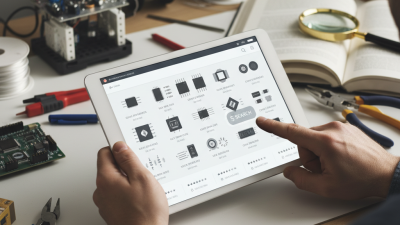
Top 10 Websites for Electronic Components Buyers
Buying electronic components online can feel simple until a critical resistor becomes unavailable. A reliable website for electronic components should offer accurate specifications, visible stock, clear pricing, and traceable product information. These details affect production schedules, testing results, and long-term product reliability.
This guide examines ten widely used websites for electronic components buyers. The comparison considers manufacturer access, distributor reputation, search tools, datasheets, minimum order quantities, delivery options, and customer support. Experienced buyers often check package type, tolerance, voltage rating, lifecycle status, and compliance documents before placing an order. Small details matter.
A polished interface is not enough. Buyers should verify part numbers against manufacturer datasheets and review substitution notes carefully. Some platforms serve engineers best, while others suit volume purchasing or rapid prototyping. Not every listing is equally transparent, and availability can change within hours. That limitation deserves attention.
The selected websites are evaluated through practical purchasing needs rather than promotional claims. Their strengths and weaknesses may differ by region, budget, and project stage. A buyer sourcing ten prototype units needs different tools than a manufacturer ordering thousands each month. In my view, no ranking can fit every purchasing team perfectly. Still, these platforms provide a useful starting point for safer, more informed component sourcing.

What Electronic Component Buyers Should Look for in a Supplier Website
When comparing websites for electronic component sourcing, buyers should examine evidence, not visual polish. A reliable supplier shows current stock, exact part specifications, manufacturer documentation, and clear lifecycle information. Product pages should identify package type, tolerance, operating temperature, and compliance data. Search filters must work accurately across thousands of listings. Small details matter. A visible update date can reveal whether inventory information is fresh. Buyers should also check lead times, minimum order quantities, packaging methods, and return procedures before requesting a quotation.
Tips: Test the website with one familiar component. Compare its datasheet with the supplier’s listing. Look for lot traceability, inspection records, and secure document access. A real service team should answer technical questions clearly, not only discuss prices. If the response feels vague, pause the purchase.
Experienced buyers also review the supplier’s quality process and communication history. Independent certifications can support credibility, but certificates should include valid dates and relevant scopes. Clear contact information is essential when specifications change or delivery problems occur. A polished website is not proof of dependable supply. I have seen attractive listings hide outdated stock details. That is an uncomfortable reminder to verify every critical item. Buyers should request samples or inspection reports when the project allows, then record what was promised and what was delivered.
How to Compare the Top Websites for Product Range and Availability
When comparing websites for electronic components, product count alone can mislead. A large catalog may include obsolete, duplicated, or supplier-listed parts. The World Semiconductor Trade Statistics December 2024 forecast valued global semiconductor sales at approximately $626 billion for 2024. That scale makes live inventory data essential, not optional. Check stock by exact manufacturer part number, package, tolerance, temperature rating, and compliance status.
Availability needs a closer test. Record the available quantity, warehouse location, last update, minimum order, and stated lead time. Then compare the same part across several websites. The best listing should show traceable documentation, including datasheets, certificates, lifecycle information, and clear sourcing terms. IPC’s 2024 electronics industry research continues to identify supply-chain visibility as a practical resilience priority. A website with fewer parts may be more useful when its data is current.
I still make mistakes here. Stock can disappear before checkout. Some “available” items mean supplier confirmation is pending. That wording matters. Compare delivery estimates with independent market signals, such as the Purchasing Managers’ Index and published lead-time surveys. The S&P Global Electronics PMI reports can reveal whether demand is expanding or contracting, but they cannot verify one listing. Use those reports as context, not proof. I also check historical price changes, because an unusually low price deserves scrutiny. Fast searches save minutes; careful verification can prevent weeks of redesign work.
Top 10 Websites for Electronic Components Buyers
Comparison of product range and current availability using a normalized 0–100 buyer evaluation scale.
Higher scores indicate broader component coverage and clearer real-time stock visibility. Product range reflects the depth of categories, packages, and specifications, while availability reflects displayed inventory status, regional stock, and lead-time information.
Which Websites Offer the Best Verification and Quality Information
When comparing the top ten websites for electronic component buyers, verification details matter more than attractive prices. Reliable platforms show manufacturer part numbers, production dates, package types, and stock locations. They also explain whether parts are new, surplus, refurbished, or factory-sealed. That distinction can prevent expensive mistakes.
Strong websites provide traceability documents, high-resolution label photos, and downloadable datasheets. Some publish inspection methods, sample test reports, and counterfeit screening procedures. Look for electrical test coverage, not vague claims such as “premium quality.”
Independent laboratory results are more useful than seller-written assurances. Clear return policies also reveal how seriously a platform manages quality disputes.
In my purchasing experience, the best supplier pages answer practical questions quickly. Can the seller identify the original source? Are lot codes visible before payment? Does the quoted quantity match the available batch? These details build confidence.
Still, online information is never perfect. A datasheet may be outdated, and a photograph may represent another lot. Request current evidence and compare it with the manufacturer’s technical documents. Cheap components can pass a visual check and fail under load. That risk deserves attention.
How to Choose the Right Website for Your Electronic Components Purchase
Choosing the right website matters as much as choosing the component. The WSTS October 2024 forecast valued global semiconductor sales at 611 billion dollars in 2024. It projects 687 billion dollars for 2025. This growth increases product variety, but it can also hide counterfeit risks and unclear stock information.
Check the website’s traceability before comparing prices. Look for manufacturer part numbers, datasheets, revision dates, package details, and documented certificates. A reliable seller should show real-time inventory, minimum order quantities, lead times, and return conditions. Cross-check critical specifications with the original manufacturer’s documentation. Never trust a product page alone. I have seen listings with correct photographs but incorrect electrical ratings. That small mismatch can damage a prototype and delay production.
Tips:
Compare at least three websites. Check stock locations and last-update times. Prefer traceable supply chains and secure payment methods. Read technical reviews carefully, not only star ratings. For regulated or safety-critical designs, request a certificate of conformity and inspection records. The 2024 Deloitte Global Chief Procurement Officer Survey also highlights resilience and supplier visibility as major procurement priorities. However, online convenience can encourage rushed decisions. I sometimes overlook shipping temperature requirements when buying sensitive components. That mistake deserves more attention. A professional purchase should balance price, authenticity, technical fit, delivery reliability, and after-sales support.