2026 Top Electronic Company Trends and Innovations to Watch?
As we look ahead to 2026, the electronic company landscape is poised for exciting transformations. Rapid advancements in technology are shaping how companies innovate and connect with consumers. From artificial intelligence to sustainable practices, the trends emerging in this sector are profound.
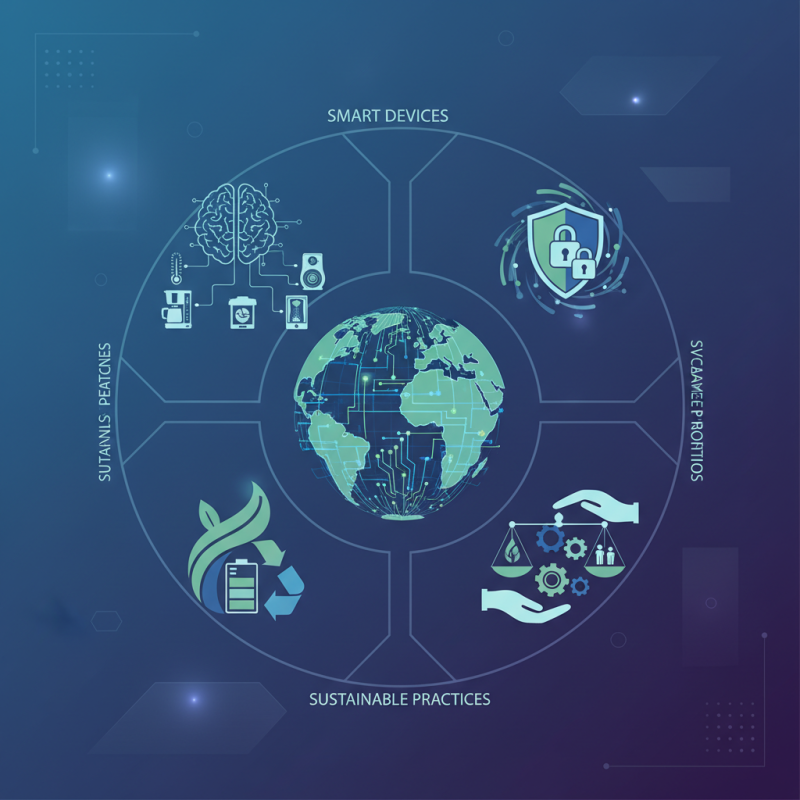
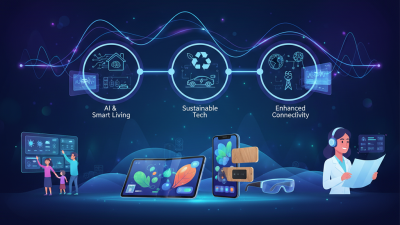
One major trend is the focus on smart devices. Electronic companies are producing gadgets that can learn user preferences. The rise of Internet of Things (IoT) devices will only strengthen this trend. Cybersecurity is also becoming a top priority, highlighting a growing need for innovation in protecting user data.
However, not all trends are flawless. Companies often struggle to balance innovation with ethical considerations. There is a need for reflection on how these advancements impact society. As we embrace these changes, electronic companies must navigate challenges sensitively while driving progress.
Emerging Technologies Shaping the Future of Electronics in 2026
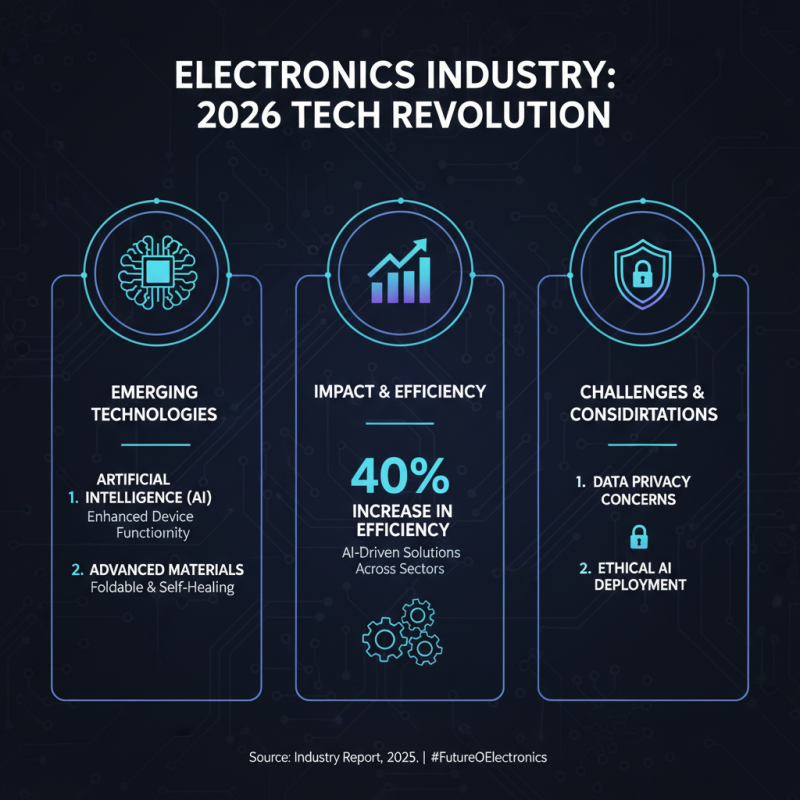
As we approach 2026, several emerging technologies are set to revolutionize the electronics industry. Artificial Intelligence (AI) continues to evolve, enhancing device functionality and user experience. According to a recent industry report, AI-driven solutions could lead to a 40% increase in efficiency across various sectors. However, reliance on AI poses challenges, including data privacy concerns.
Another key trend is the rise of flexible electronics. These materials, which can bend and stretch, offer new possibilities for device design. A study indicates that the flexible electronics market could reach $35 billion by 2026. Yet, the manufacturing process for these products remains complex, often leading to inconsistencies in quality and durability.
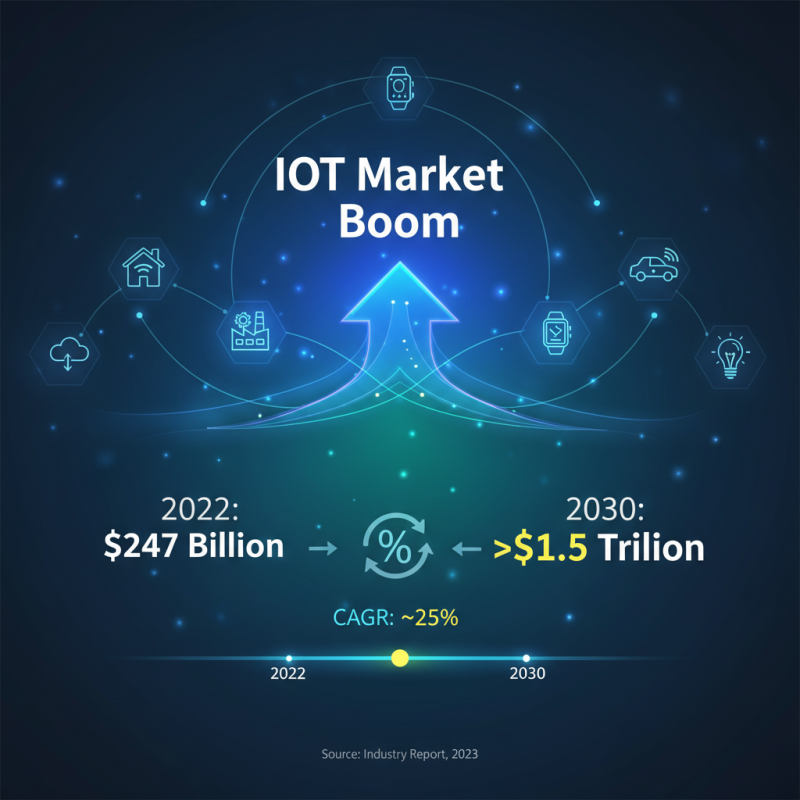
Lastly, the integration of the Internet of Things (IoT) is reshaping how devices communicate. With experts predicting over 30 billion connected devices by 2026, the potential for innovation is immense. But security vulnerabilities will persist. As systems rely more on interconnected devices, ensuring robust security protocols will be critical to the industry's future.
Sustainability in Electronics: Innovations in Eco-Friendly Manufacturing
The electronics industry is witnessing a shift towards sustainable practices. Eco-friendly manufacturing is emerging as a priority. Companies are exploring innovative materials that reduce environmental impact. Biodegradable plastics, for example, are gaining traction. These materials can minimize waste in landfills. More companies are investing in recycling programs to reclaim raw materials. This helps in reducing the need for new resources.
Sustainable energy is another area of focus. Many manufacturers are transitioning to renewable energy sources. Solar panels and wind turbines are becoming common in production facilities. However, some factories still rely on traditional energy. This creates a gap in achieving sustainability goals.
Tips: Consider using recycled materials in your projects. It can significantly lessen the environmental footprint. Stay informed about new eco-friendly technologies. These innovations often lead to cost savings. Embracing sustainability can also improve brand reputation. Many consumers now prefer companies that prioritize the planet.
Artificial Intelligence: Transforming User Experience in Electronic Products
Artificial Intelligence (AI) is redefining user experiences in electronic products. Recent studies show that 70% of consumers prefer products enhanced by AI. These technologies help make devices smarter and more responsive. AI can customize user interfaces based on behaviors and preferences. For example, smart assistants learn from interactions. They provide personalized recommendations, making devices feel more intuitive.
However, while AI offers many advantages, it also raises concerns. Privacy issues are significant. Many users fear their data may be misused. A report from a leading tech research firm noted that 55% of consumers worry about data security with AI products. Additionally, the technology can sometimes misinterpret commands. This leads to frustration and a need for better training in AI systems.
Current trends indicate that AI will continue to evolve. Market forecasts predict that AI in electronic devices will grow at a rate of 30% annually. Companies must focus on enhancing accuracy and user trust. Addressing privacy concerns is essential. Balancing innovation with user comfort can shape the future of electronic products.
5G and Beyond: Impact on Connectivity and Device Performance in 2026
The rollout of 5G is reshaping connectivity. It offers faster speeds and lower latency. In 2026, we can expect devices to seamlessly connect. This change will enhance user experiences across various sectors. Enhanced connectivity could improve remote work and online education. However, not all areas will benefit equally.
A key challenge remains in infrastructure. While urban centers thrive, rural areas may lag. This disparity raises questions about equity in technology access. Device performance is also evolving with new capabilities. The integration of AI and edge computing allows for smarter functionalities. Yet, some devices may struggle to keep up.
In this fast-paced environment, continuous innovation is crucial. Manufacturers must adapt to changing consumer needs. It's a balancing act between speed and performance. As we move forward, the focus should be on inclusivity. Everyone deserves access to these advancements. The journey to 5G and beyond is just beginning.