Top 10 Electronic Parts You Need for Your DIY Projects
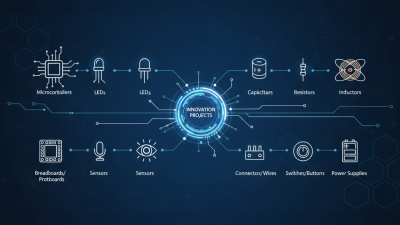
When diving into the world of DIY projects, having the right electronic parts can make all the difference between a successful creation and a frustrating failure. Whether you're a seasoned maker or a curious beginner, the components you choose to incorporate into your designs serve as the building blocks of innovation. From microcontrollers to sensors, each electronic part plays a vital role in bringing your ideas to life, allowing for an incredible range of functionalities and creative possibilities.
Understanding the essential electronic parts required for your projects can streamline your building process and enhance your overall experience. In this guide, we will explore the top 10 electronic parts that are indispensable for various DIY endeavors. By familiarizing yourself with these components, you’ll be better equipped to tackle projects, troubleshoot issues, and ultimately enhance your skills. Let’s embark on this journey through the electronic landscape and uncover the essentials that every DIY enthusiast should have in their toolkit!
Essential Microcontrollers for Your DIY Electronics Projects
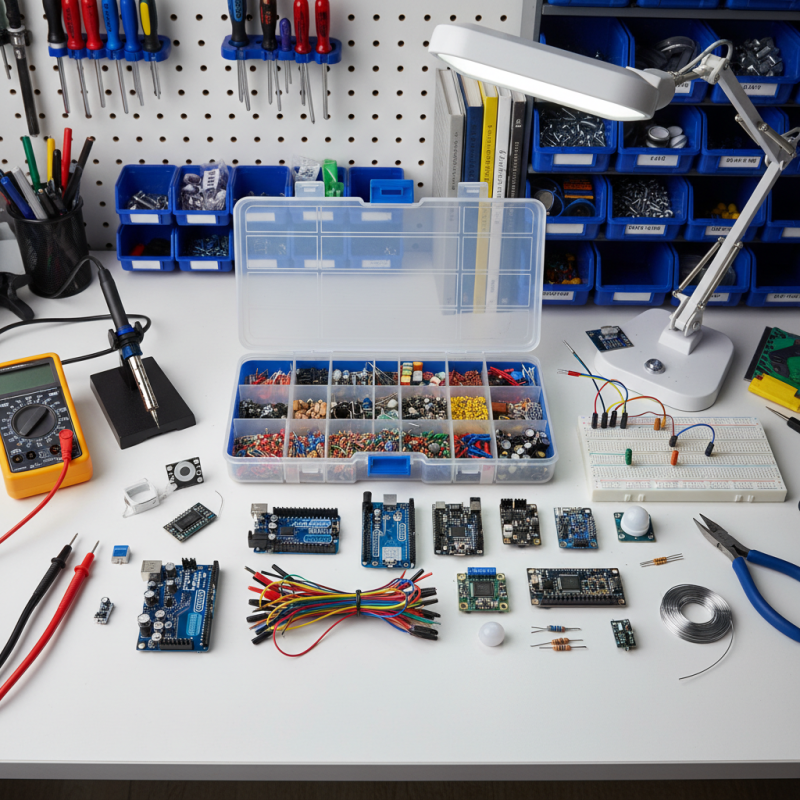
Microcontrollers are the heart of any DIY electronics project, serving as the brain that processes information and commands other components. Whether you're creating a simple LED blink circuit or a complex robot, choosing the right microcontroller is critical. According to a report from the semiconductor industry, the global microcontroller market was valued at approximately $20 billion in 2022 and is projected to grow at a CAGR of 7.5% through 2028, highlighting their increasing relevance among hobbyists and engineers alike.
When selecting a microcontroller, consider factors such as processing power, memory size, and I/O capabilities. For beginners, 8-bit microcontrollers offer sufficient functionality for basic projects, while more advanced users might explore 32-bit options for higher processing tasks. One important tip is to assess the community support and resources available for specific microcontroller platforms, as robust documentation and forums can greatly ease the learning curve and project development.
Another crucial aspect is understanding the power consumption of your microcontroller, especially for portable projects. Opting for low-power microcontrollers can extend battery life significantly, making your project more practical. Additionally, look for microcontrollers with built-in debug features. This can simplify the troubleshooting process and improve your development workflow. By prioritizing these elements, you can ensure your DIY projects run smoothly and efficiently, paving the way for innovative creations.
Top 10 Electronic Parts You Need for Your DIY Projects
Popular Sensors to Enhance Your DIY Projects
When embarking on DIY projects, integrating sensors can significantly enhance functionality and interactivity. One of the most versatile types of sensors is the proximity sensor, which can detect the presence of nearby objects without physical contact. This makes it ideal for applications like automated lighting systems, where lights turn on automatically as someone approaches, or for security systems that notify users when an intruder is detected.
Another essential sensor is the temperature sensor, which can be utilized in a wide array of projects, from simple weather stations to complex home automation systems. These sensors can provide real-time data about environmental conditions, allowing you to monitor and respond to changes effectively. Combining temperature sensors with microcontrollers enables data logging and analysis, which can lead to innovative solutions in energy management and climate control.
Finally, consider incorporating light sensors into your projects. These components can measure ambient light levels and can be particularly useful for creating energy-efficient systems that adjust lighting based on the time of day or presence of natural light. Whether you’re building a smart garden that optimizes plant growth or an automated curtain system, light sensors offer a practical way to enhance your DIY endeavors.
Must-Have Power Supplies for Reliable Functionality
When embarking on DIY electronics projects, selecting the right power supply is crucial for ensuring reliable functionality. According to industry reports, nearly 30% of DIY project failures can be traced back to inadequate or unstable power sources. This highlights the importance of investing in a quality power supply that meets the specific voltage and current requirements of your components. A well-chosen power supply not only enhances the durability and performance of your projects but also minimizes the risk of damage to sensitive electronic parts.
Moreover, a survey conducted by the Electronics Component Association found that approximately 40% of hobbyists experience difficulties related to power regulation and fluctuation. To avoid these pitfalls, utilizing power supplies with built-in voltage regulation and overcurrent protection is recommended. These features help safeguard your circuits against unexpected power spikes and ensure consistent operation. Additionally, opt for modular or adjustable power supplies that can accommodate a variety of projects, allowing for greater flexibility and adaptability in your DIY endeavors.
Versatile Displays for Visualizing Data in Your Designs
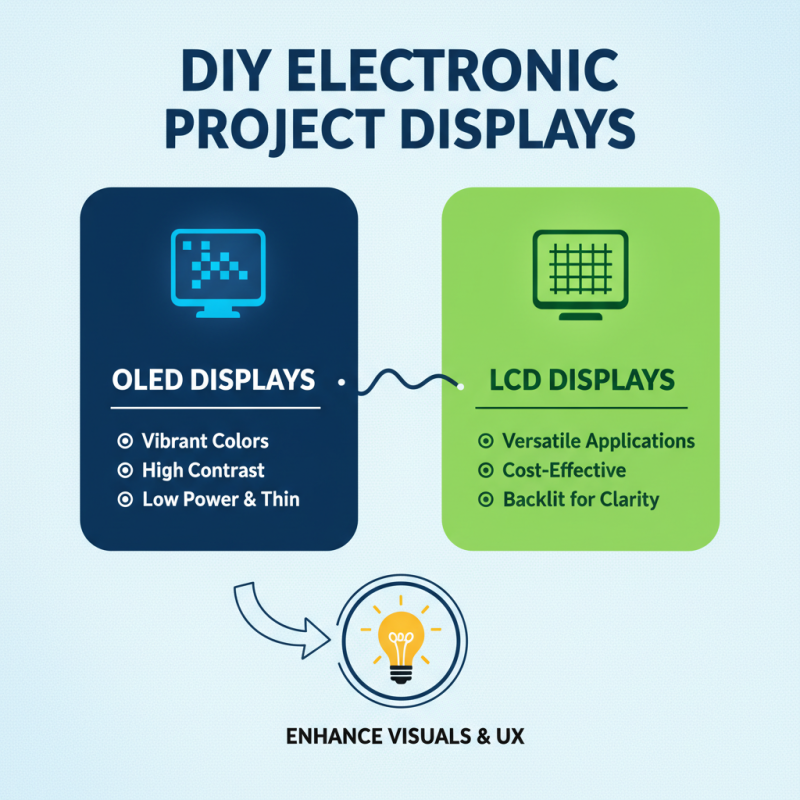
When embarking on DIY electronic projects, having the right display component can significantly enhance the visualization of data and improve user experience. Versatile displays, such as OLED and LCD screens, allow for a wide range of applications. OLED displays provide vibrant colors and high contrast, making them ideal for projects that require sharp visuals in varying lighting conditions. Their low power consumption and thin profile further make them a popular choice for portable devices.
On the other hand, LCD displays offer reliability and affordability, making them an excellent option for many hobbyist projects. They can be used to present a variety of information, from basic readouts to complex graphs and animations. Integrating a display into your project not only makes the data easier to interpret but also adds an interactive aspect, encouraging experimentation and learning. With programmable interfaces and numerous libraries available for different microcontrollers, incorporating a display into your DIY projects opens up new possibilities for creativity and innovation.
Durable Connectors and Cables for Secure Connections in Projects
When embarking on DIY electronic projects, the importance of
durable connectors and cables cannot be overstated.
According to a market report by Mordor Intelligence, the global cables and connectors market is projected to grow significantly,
indicating a rising trend in DIY electronics. A reliable connection is essential for the performance, longevity, and safety of any project.
Without high-quality connectors and cables, even the most well-designed circuits can experience failures due to loose connections or signal interference.
Selecting the right connectors can greatly affect the performance of your projects. For example, soldered connections
are often preferred for stationary applications due to their durability and resistance to vibration and temperature changes.
Meanwhile, modular connectors offer flexibility and ease of maintenance in projects that may require frequent modifications.
A study from Research and Markets suggests that the demand for modular connectors is on the rise, highlighting the shift towards more adaptable designs
in various electronic applications. Utilizing connectors made from materials like gold or nickel plating can also enhance conductivity
and prevent corrosion, ensuring that your connections remain secure over time.
In summary, investing in quality connectors and cables is crucial for DIY enthusiasts looking to create lasting and effective projects.
The trend towards specialized and durable connection solutions reflects an industry focus on enhancing user experience and project reliability,
making careful selection of these components an integral part of any successful DIY endeavor.