2025 Top 5 Essential Electronic Parts You Can't Afford to Miss
As we approach 2025, the world of technology continues to evolve at an unprecedented pace, making it essential for enthusiasts, engineers, and hobbyists alike to stay informed about the critical components that drive innovation. Among these, electronic parts play a fundamental role in shaping the functionality and efficiency of modern devices, from smartphones to advanced robotics. In this guide, we will explore the top five essential electronic parts that you simply cannot afford to miss in the coming year.
Understanding the significance of these components can enhance your projects and elevate your designs, whether you're a seasoned pro or just starting out. As we delve into each part, we'll provide insights on their applications, benefits, and how to effectively incorporate them into your work. Prepare to discover the key electronic parts that will not only optimize your creations but also keep you ahead of the curve in a competitive landscape.
Essential Semiconductor Components Revolutionizing Electronics in 2025
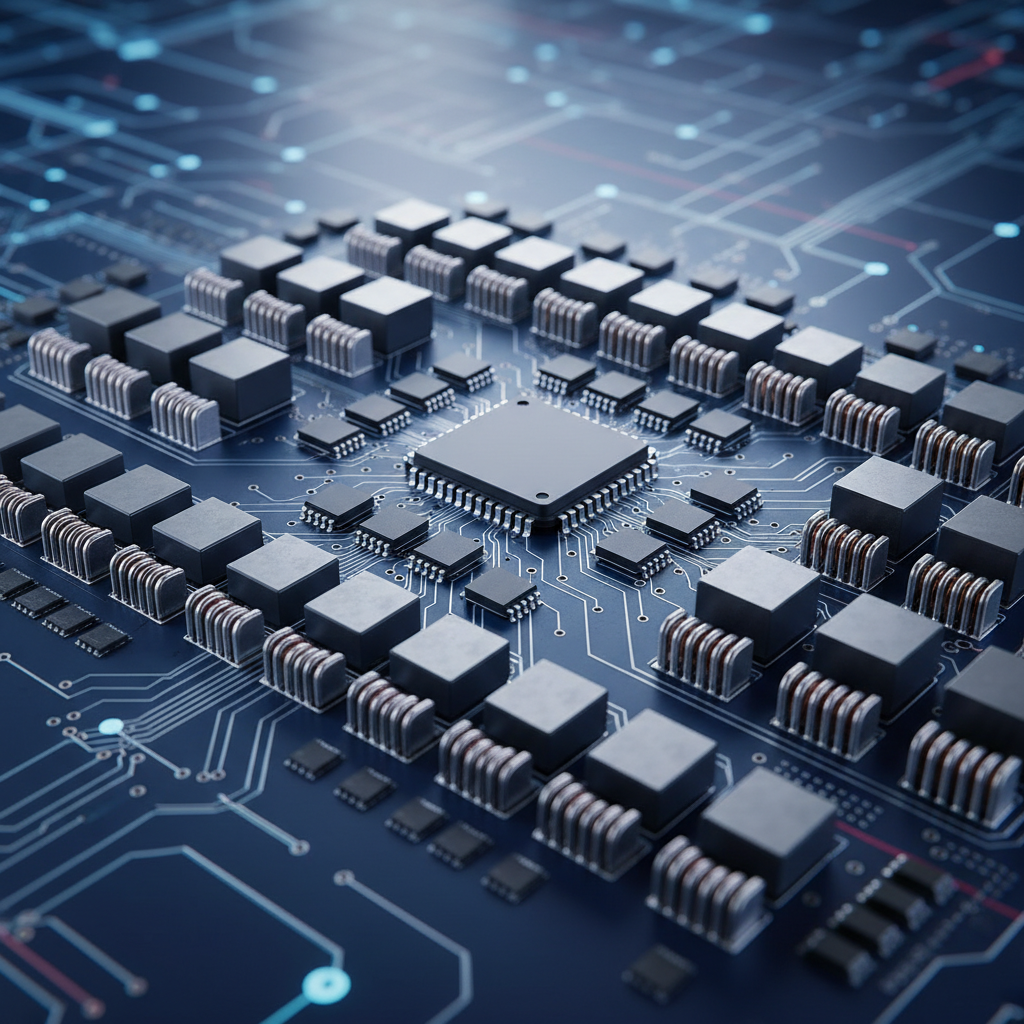
As we move into 2025, the landscape of electronics is increasingly being shaped by essential semiconductor components that are not only enhancing performance but also redefining capabilities across various applications. Microcontrollers and microprocessors, for instance, are being integrated with advanced AI functionalities, enabling smarter devices that can learn and adapt to user behaviors. This shift is pivotal in areas such as smart home technology, automotive electronics, and industrial automation, where real-time data processing and decision-making are crucial.
Another groundbreaking development is in the realm of power semiconductor components, such as wide-bandgap materials like silicon carbide (SiC) and gallium nitride (GaN). These materials are revolutionizing energy efficiency, allowing for faster charging in electric vehicles and longer-lasting battery performance in consumer electronics. Additionally, the rise of low-power semiconductors is vital for IoT devices, where prolonged battery life and reduced energy consumption are of utmost importance. Together, these semiconductor innovations are setting the stage for a more connected and efficient electronic future, making them indispensable to the modern technology ecosystem.
Advanced Energy Management Systems for Efficient Power Utilization
The evolution of advanced energy management systems is crucial for optimizing power utilization in various applications, particularly in the context of the growing demand for sustainable energy solutions. As the global energy transition accelerates, innovations in energy storage technologies are emerging as pivotal components that facilitate the integration of renewable energy sources. Such systems not only enhance energy accessibility but also contribute to grid stability by supporting load management and ensuring efficient power distribution.
In modern homes and commercial buildings, energy management systems are transforming the landscape by making energy consumption smarter and more efficient. With the increasing incorporation of smart technology, these systems allow for real-time monitoring and control, enabling users to optimize their energy use according to consumption patterns and external conditions. Furthermore, industries are recognizing the benefits of coordinated energy management strategies that leverage hybrid energy storage systems, resulting in improved operational efficiency and reduced reliance on traditional energy sources. This shift is vital for supporting tech-driven businesses that require robust and reliable power solutions as they navigate their growth trajectories.
High-Speed Communication Chips Driving Future Connectivity
As we look toward 2025, high-speed communication chips are poised to revolutionize connectivity, making them a crucial component in the future of electronics. According to a recent market report by ResearchAndMarkets, the global communication chips market is projected to grow from USD 12 billion in 2023 to over USD 20 billion by 2025. This growth is primarily driven by the increasing demand for faster data transfer rates and the widespread adoption of 5G technology. Companies are rapidly innovating to enhance the efficiency and speed of these chips, ensuring that they can handle the demands of advanced applications like smart cities and the Internet of Things (IoT).
Furthermore, the rise of autonomous vehicles and advanced telecommunication applications will further propel the need for high-speed communication chips. Gartner predicts that by 2025, there will be over 75 billion connected devices globally, requiring robust and high-speed communication channels to facilitate seamless data exchange. With advancements in semiconductor technology, such as the development of gallium nitride (GaN) and silicon carbide (SiC) materials, manufacturers are able to produce chips that not only operate at higher frequencies but also consume less power. In this competitive landscape, investing in high-speed communication chips will be essential for companies looking to stay ahead in the electronics market.
Next-Generation Sensors Transforming Data Collection and Analysis
Next-generation sensors are revolutionizing the way data is collected and analyzed across various industries. These advanced devices not only enhance operational efficiency but also provide real-time insights that were previously unattainable. With the ability to capture a wider range of environmental parameters, from temperature and humidity to motion and light, next-gen sensors are pivotal in driving innovations in smart cities, healthcare, and industrial automation.
As the demand for data-driven decision-making grows, the integration of these sensors into everyday applications becomes increasingly critical. Enhanced capabilities like increased sensitivity, miniaturization, and improved connectivity allow for seamless data transmission and processing. This technological shift enables businesses to gather comprehensive datasets, leading to more accurate analyses and predictive modeling. In sectors such as agriculture, smart sensors can monitor soil conditions and crop health, optimizing yields and resource allocation. By leveraging these innovative tools, organizations are not just keeping pace with the digital age; they are defining the future of data interaction and analysis.
2025 Top 5 Essential Electronic Parts You Can't Afford to Miss
| Component |
Description |
Key Features |
Applications |
| MEMS Accelerometers |
Micro-electromechanical systems designed to measure acceleration. |
Low power consumption, high sensitivity, small size |
Mobile devices, automotive, IoT devices |
| Optical Sensors |
Devices that convert light into an electrical signal. |
High accuracy, fast response time |
Consumer electronics, medical devices, automation |
| Smart Temperature Sensors |
Sensors for accurate temperature readings integrated with digital output. |
Digital output, programmable, wide temperature range |
HVAC systems, wearables, automotive |
| Pressure Sensors |
Devices used to measure pressure in gases or liquids. |
High precision, compact size, low energy usage |
Industrial, healthcare, environmental monitoring |
| Integrated Circuit Sensors |
Miniaturized sensor circuits for various measurements. |
Multiple functionalities, low cost, easy integration |
Smartphones, home appliances, robotics |
Innovative Power Supply Solutions for Modern Electronic Devices
In the rapidly evolving landscape of modern electronics, innovative power supply solutions are critical for enhancing device functionality and efficiency. With the rise of smarter devices and more demanding applications, traditional power supplies often fall short. Manufacturers are now focusing on developing advanced power management technologies that not only reduce energy consumption but also optimize performance. Techniques like multi-phase power supply architectures and digital power management systems are becoming essential in meeting the needs of high-performance modern electronic devices.
Furthermore, the integration of renewable energy sources into power supply designs represents a significant leap forward. Solutions such as solar-powered chargers and energy harvesting technologies allow devices to harness ambient energy, reducing reliance on traditional power sources. These developments not only contribute to a sustainable future but also pave the way for advancements in fields like wearable technology and smart home devices. As we move towards 2025, staying informed about these innovative power supply solutions will be crucial for anyone looking to stay competitive in the electronics industry.