
Why Choose a Residential Passenger Lift for Your Home?

A home should make everyday movement easier, not add another problem to manage. A Residential Passenger Lift can connect floors for older adults, people with limited mobility, and families carrying laundry or groceries. Imagine arriving upstairs with a basket in hand, without gripping the banister or stopping halfway. The benefit is practical. It can also make a home more adaptable as needs change.

Elevator consultant Dr. Albert So offers a useful expert perspective. The following line is an editorial paraphrase, not a verified verbatim quotation: “A home lift should fit the building, its users, and the way they live.” That distinction matters. Choosing a lift involves more than its appearance or travel speed. Homeowners need to consider available space, landing access, noise, power requirements, maintenance, and who will use it. A quiet cabin is welcome. So is a door that opens conveniently onto each floor.

This guide explores why a residential lift may suit a home, what features deserve close attention, and which questions to ask before installation. It also considers the less glamorous details, including servicing and future access needs. These can be overlooked. A lift is not automatically the right choice for every house, and a poorly planned layout can limit its usefulness. Careful assessment makes the decision more grounded—and the daily experience more comfortable.
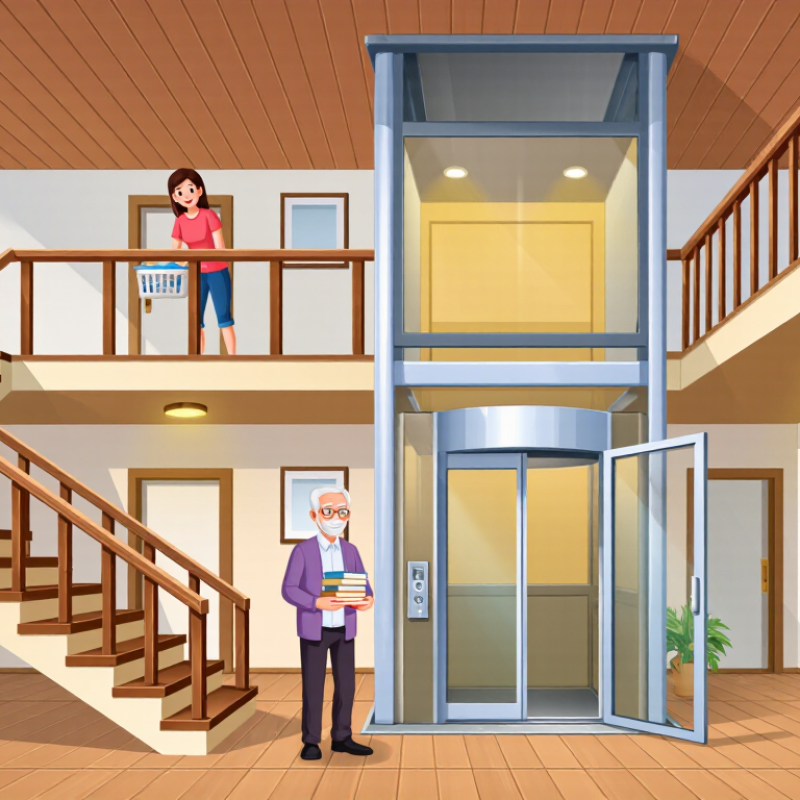
Why Choose a Residential Passenger Lift for Your Home?

What Is a Residential Passenger Lift?

A residential passenger lift is a small elevator designed to carry people between floors inside a private home. It typically has an enclosed cabin, landing doors, and controls at each stop. Unlike a stairlift, which follows the line of a staircase, a passenger lift travels vertically through a dedicated space. The exact design depends on the house, the number of floors, and the people who will use it.

Small details matter. Before installation, a qualified lift professional can assess available space, floor structure, power supply, and the route through the home. A narrow hallway or low ceiling may affect where the lift can go. Options vary: some lifts need a shaft and pit, while others use different configurations. Safety features may include door interlocks, alarms, and emergency lowering, but details differ by model and should be checked in the product specifications. Regular servicing helps keep moving parts and safety systems in working condition.

A lift can make daily trips easier for someone with limited mobility, or for carrying laundry between floors. It also takes up space and needs ongoing care. It is not a perfect fit for every home; sometimes the practical compromises deserve a second look.

How Do Home Passenger Lifts Work?

A residential passenger lift moves a small cabin between floors using a powered drive and a guided shaft. Pressing a landing button calls the cabin, while a controller checks its position and door interlocks. In hydraulic models, a pump pushes fluid into a cylinder to raise the cabin; controlled release lowers it. Traction or screw-driven models use a motor to move the cabin along rails. The method affects space, noise, and maintenance needs. No door, no travel.

At each landing, sensors help bring the cabin level with the floor, reducing awkward steps at the threshold. Emergency lowering and backup power vary by model, so check the manufacturer’s specifications with a qualified installer. AARP’s 2024 Home and Community Preferences Survey found that 75% of adults aged 50 and older want to remain in their homes as long as possible. That is a preference, not proof that every home needs a lift. Shaft placement, floor openings, and electrical supply all matter. This part is easy to overlook. A quiet ride depends on careful installation and routine servicing, not just the lift mechanism. Ask how the system behaves during a power failure, and where its service access will sit.

Why Choose a Residential Passenger Lift for Your Home? — How Do Home Passenger Lifts Work?
Feature How It Works or Typical Details Why It Matters at Home Planning Considerations
Basic operating principle A lift car travels vertically along guide rails inside a shaft or self-supporting structure. A drive system moves the car between floor landings, while controls manage calls, travel, and stopping. It provides a convenient alternative to stairs for moving people between levels. Installation requirements depend on the building layout, lift design, and applicable local regulations.
Drive system Residential models may use hydraulic, traction, screw-driven, or other mechanisms. Each system moves the car differently and has its own space, power, and maintenance requirements. Different drive types can suit different homes, from new builds to selected retrofit projects. Compare the required shaft or support structure, machine location, power supply, noise, and servicing needs with a qualified installer.
Capacity and car size Capacity and internal dimensions vary by model and configuration. Smaller residential lifts may carry a few passengers; some designs can accommodate a wheelchair, subject to their dimensions and rated load. A correctly sized lift can make everyday trips, carrying groceries, or travel with mobility equipment easier. Check the rated load, door opening, turning space, and wheelchair-access requirements rather than relying on passenger count alone.
Speed and travel Home lifts are generally designed for short, low-rise journeys and often travel more slowly than lifts in commercial buildings. Speed and maximum travel depend on the specific system. For a few floors, a compact residential design can prioritize convenient access over high-speed travel. Ask for the expected journey time, number of stops, and permitted travel height for the selected model.
Power and energy use The motor uses electricity to move the car. Energy consumption depends on the drive system, lift size, travel distance, usage, and whether the system has energy-saving features. Understanding the electrical requirements helps avoid surprises during installation and operation. Confirm supply requirements, standby consumption, and what happens during a power interruption.
Doors and controls Users select a floor using in-car controls or landing call buttons. Door interlocks are designed to prevent travel when doors are not safely secured. Simple controls and suitable door arrangements can improve ease of use for household members and visitors. Consider control height, clear access to each landing, door type, and whether the arrangement suits the intended users.
Safety features Depending on the design and local requirements, features may include door interlocks, obstruction protection, an alarm, emergency communication, and a method for safely lowering or evacuating the car. Safety systems help address risks such as an obstruction or a lift stopping during a power failure. Confirm the exact safety equipment, emergency procedure, inspection schedule, and any required backup power with the installer.
Space and building work Some lifts need a constructed shaft and pit; other designs may use a self-supporting structure or have different building requirements. Space needs vary substantially. Choosing a suitable design can help fit a lift into a new home or an existing property. Have the installation area, floor openings, headroom, structural support, and access route assessed before selecting a model.
Accessibility and daily use A lift connects floors without requiring the user to climb stairs. Accessibility depends on the car, doorway, controls, and the route to and from each landing. It can support easier movement for people with limited mobility and may help a household remain in a multi-storey home longer. For wheelchair use or other specific needs, assess the complete journey and dimensions with an accessibility professional.
Maintenance and reliability Mechanical and electrical components require periodic inspection and maintenance. Recommended intervals and tasks depend on the lift design and local rules. Regular servicing helps keep the lift operating as intended and gives an opportunity to identify wear or faults. Before purchase, ask about service access, maintenance intervals, repair response, and the availability of replacement parts.
When a home passenger lift may be worthwhile It may be considered when a household needs easier access between floors, is planning a new build, or wants to improve the usability of a multi-storey property. Potential benefits include reduced reliance on stairs, easier movement of everyday items, and improved convenience across floors. Balance expected use with installation work, available space, ongoing maintenance, and total ownership costs.

What Benefits Can a Residential Lift Provide?

A residential passenger lift can make everyday movement between floors easier, especially when stairs become tiring or difficult. It may help an older resident carry laundry, or let someone using a mobility aid reach a bedroom without changing floors. Small tasks matter. A lift can also move groceries, luggage, or a folded stroller, reducing trips up and down the stairs. For families sharing a home, that convenience can make different floors more usable. A quieter morning. Still, a lift does not suit every house; it needs space, safe access, and a layout that works for its users.

Before choosing one, have a qualified lift professional assess the available shaft space, floor openings, electrical supply, and installation route. These details affect cost and disruption, and older homes may need structural changes. Ask about door clearances, emergency lowering, routine servicing, and what happens during a power cut. A well-planned lift should feel straightforward to use, with controls at a reachable height and enough room for the intended passenger. It also needs regular maintenance. Noise, waiting time, and service costs can be easy to overlook, so discuss them before committing. A lift may support independence, but it cannot replace thoughtful home design or suitable care.

Why Choose a Residential Passenger Lift for Your Home?

A home lift can make multiple floors easier to access as mobility needs change. The chart below shows the growing global population aged 60 and over—one reason many households consider ways to make their homes more accessible. These figures are population estimates and projections, not measurements of lift use or outcomes.

Source: World Health Organization, “Ageing and health.” Figures for 2030 and 2050 are projections. Read the WHO fact sheet.

What Should Homeowners Consider Before Installation?

Before choosing a residential passenger lift, measure more than the space beside the stairs. Check the lift’s footprint, doorway width, headroom, and access on every floor. A tape measure helps, but a site assessment can reveal obstacles hidden behind walls or beneath flooring. The lift may also need structural support and a suitable electrical supply. Ask a qualified installer to assess these details before you commit. Small surprises can become expensive.

Think about who will use the lift, now and in the future. A wheelchair user may need wider doors and a larger cabin than someone carrying laundry. Stand inside a proposed cabin size, if possible, and picture turning comfortably. Check where doors open, how controls can be reached, and what happens during a power cut. Ask about emergency communication, routine servicing, noise, and expected operating costs. These details matter daily.

There is no perfect layout. A lift can take storage space or require changes to a hallway, and that trade-off may feel different once installation begins. Compare written plans, timelines, and maintenance arrangements from qualified professionals. Also check applicable local installation and safety requirements with the relevant authority. A careful assessment may feel slow, but it is easier than discovering the kitchen door blocks access.

How Are Residential Lifts Maintained and Kept Safe?

A residential lift stays safe through regular inspection, careful use, and prompt attention to small changes. Follow the maintenance schedule supplied for the specific lift, and use a qualified lift technician for servicing. A typical visit may include checking door locks, safety edges, controls, the alarm, and the movement of the car. The technician can also look for unusual wear, loose fittings, or changes in stopping accuracy. Small signs matter. A new rattle or a door that closes slowly should be reported, not ignored.

Keep the lift entrance clear, and never force its doors or attempt repairs yourself. If the lift stops unexpectedly, use its alarm or communication system and follow the instructions provided for passengers. Do not climb out or try to release the doors. Ask the installer or service provider how emergency lowering works, and make sure household members know whom to contact. That conversation is easy to postpone.

Keep a dated record of inspections, repairs, and recurring faults. It helps technicians spot patterns and gives homeowners a clearer picture of the lift’s condition. Maintenance cannot prevent every fault, and a checklist is not a guarantee. Still, consistent professional care and sensible household habits reduce avoidable risks.