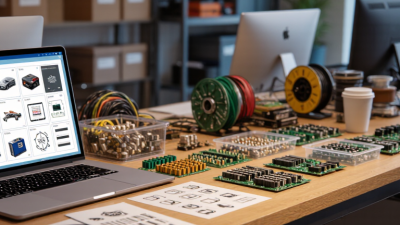
Choosing the right electronic company can shape your product’s quality, cost, and long-term reliability. A promising website is not enough. You need evidence from real projects, verified certifications, and clear communication. Ask how the company manages component sourcing, prototype testing, production changes, and delivery risks. A factory tour, even through a live video call, can reveal useful details. Look for organized workstations, labeled materials, calibrated testing equipment, and staff who explain problems without hiding them.
Experience matters, but it should match your needs. A company that builds medical sensors may not understand your consumer audio product. Review case studies, request customer references, and examine warranty terms carefully. Technical expertise should appear in practical answers, not impressive vocabulary. Reliability also depends on supply-chain planning. Can the supplier suggest an approved alternative when a chip becomes unavailable? Does it document inspection results and explain failure rates? Small details often protect large investments.
Do not choose by price alone. The cheapest quotation may exclude testing, packaging, or engineering support. That mistake can become expensive later. A professional electronic company should provide realistic timelines and identify uncertain areas early. Still, no supplier is perfect. Your specifications may be incomplete, or your expectations may be too optimistic. Leave room for honest review. Compare several companies, record your questions, and judge how consistently each team responds. The best partnership usually develops through transparent evidence, careful testing, and conversations that remain clear when problems appear.

Choosing the right electronic company begins with a clear definition of your needs and project goals. A polished portfolio means little if the supplier cannot meet your technical requirements. Write down the product type, operating environment, expected volume, target cost, and delivery date. Do not leave “good quality” vague. Set measurable targets for durability, energy use, testing, and support. During a previous sourcing project, I listed every required connector and enclosure dimension before contacting suppliers. This prevented expensive revisions later.
Your goals should also describe future plans. Ask whether the company can support prototypes, design changes, certification testing, and larger production runs. Experienced engineers should explain trade-offs in plain language. Request evidence, not promises. Test reports, quality records, sample inspection data, and relevant client references can reveal how the company works under pressure. A reliable supplier will discuss risks openly and identify unclear requirements. Be cautious of effortless certainty. I once underestimated packaging needs, and vibration during transport damaged early units. That mistake delayed testing by several weeks.
Compare companies against the same written brief. Review communication speed, engineering depth, production controls, and after-sales response. Confirm who owns design files and how revisions are documented. Keep records. Independent audits and recognized compliance documents can strengthen your evaluation, but they do not replace practical checks. Visit the facility when possible, or request a live video walkthrough of assembly and inspection areas. However, no checklist predicts every problem. A small requirement may still be missed. Leave room for questions, pilot testing, and honest correction before committing to full production.
Before comparing electronic companies, convert your project goals into measurable evaluation criteria. This planning baseline assigns the greatest weight to technical capability, quality assurance, delivery reliability, compliance, and total cost. Adjust the percentages to match your product complexity, risk level, and launch schedule.
Inspect product quality beyond polished photographs. Request production samples, inspection records, and recent test results. Check solder joints, connectors, labels, and packaging by hand. Small defects often reveal weak process control.
Verify certifications carefully. Ask for certificate numbers, issuing bodies, covered products, and expiration dates. A certificate may apply only to one facility or product family. Confirm its scope independently. Do not accept a scanned logo as proof.
Test technical expertise through practical questions. Can the engineers explain tolerance limits, thermal performance, component substitutions, and failure analysis? Strong teams answer clearly. They also admit uncertainty and propose a test plan.
Review traceability. Reliable companies should link batches to materials, operators, inspection results, and shipment dates. This detail matters when a fault appears months later. It may feel excessive, but it protects production continuity.
Examine quality consistency, not one perfect sample. Request defect-rate data, burn-in procedures, and corrective-action reports. Ask how design changes are documented. Quiet changes can create expensive problems.
Study communication during evaluation. Do engineers respond with measurements, drawings, and specific timelines? Vague promises are warning signs. Technical confidence needs evidence.
A practical mistake is trusting price before process maturity. I have seen low quotations hide weak testing, unclear certifications, and delayed engineering support. Compare total risk, not just unit cost. Ask for references from comparable applications, while remembering that references can be selective. A factory tour or live video inspection may reveal more than a sales presentation. Reliability is built through repeatable evidence, transparent limitations, and disciplined follow-up.
Choosing an electronic company requires more than a low unit price. Request an itemized quotation covering components, assembly, testing, packaging, tooling, and freight. Ask whether taxes, engineering changes, and inspection fees are included. Compare like with like. A cheaper quote may hide a lower test standard. I once saw a quotation omit fixture costs, which changed the real budget later. That mistake was avoidable.
Production capacity needs evidence, not confident promises. Request monthly output, current utilization, line count, staffing levels, and key equipment details. Check whether your order fits the factory’s bottleneck process, such as automated placement or final testing. Review sample timing, pilot-run records, and capacity plans for peak months. A factory can claim high capacity while your product waits behind larger orders. Numbers matter. Still, capacity figures may be estimates, so challenge them politely.
Delivery reliability should be measured through documented performance. Ask for recent on-time delivery data, average lead times, and explanations for delays. Confirm material lead times separately from assembly time. Build a written schedule with approval dates, inspection points, shipping windows, and a small buffer. Request weekly production updates with photos or measurable milestones. In my experience, silence is an early warning sign. Yet even careful suppliers miss dates occasionally; shortages and design revisions can disrupt plans. A realistic comparison includes recovery procedures, communication speed, and responsibility for rework.
When choosing an electronic company, study its customer support before studying its advertisements. A polished website means little if help becomes vague after payment. I once contacted a support team with a simple charging problem. The reply arrived quickly, but it ignored my specific question. That experience changed how I compare companies.
Test the support channel before buying. Send one clear question by email or live chat. Check response time, technical accuracy, and whether the representative explains realistic steps. Good support should mention troubleshooting, repair options, and expected waiting periods. Keep screenshots of replies. They may clarify promises later. Phone support can feel reassuring, but written communication creates a useful record.
Read the warranty policy line by line. Check coverage length, battery limitations, shipping costs, labor fees, and exclusions. Confirm whether accidental damage or accessories receive different treatment. A long warranty is not automatically a strong warranty. The claims process matters more than impressive wording. Ask who pays for return shipping and how repairs are inspected. Communication should remain consistent across the website, sales team, and service department. Sometimes it does not. That is a warning sign. I also look for service updates during repairs, although I have occasionally trusted friendly promises without requesting them in writing. My mistake. Reliable companies make policies easy to find and explain them without pressure.
Choosing the right electronic company starts with reputation, not a polished website. Tip 1: Read recent reviews across several independent platforms. Look for repeated details about delivery accuracy, product testing, warranty responses, and technical support. Northwestern University’s Spiegel Research Center reported that displaying five reviews can increase purchase likelihood by up to 270% compared with displaying none. More reviews help, but quality matters. A five-star average can still mislead.
Tip 2: Request two or three customer references from similar projects. Ask how the company handled defects, delays, and replacement parts. Listen for specific answers, not compliments. I once found a supplier with excellent reviews but weak after-sales communication. That detail changed the decision. It was a useful reminder that reputation is more than ratings.
Tip 3: Examine the company’s history. Check how long it has operated, whether its services have changed, and whether contact information remains consistent. The 2024 Edelman Trust Barometer shows that trust strongly influences confidence in institutions, but trust should be tested through evidence. Review certifications, published quality procedures, and documented response times. A missing record is not proof of poor service, yet it deserves a question. Choose the company that explains problems clearly and shows dependable behavior over time.
| No. | Verification Tip | Evidence to Review | Practical Data Point | Positive Indicator | Warning Sign |
|---|---|---|---|---|---|
| 1 | Check the length of operating history | Business registration records, dated company profiles, archived websites, and published annual reports. | Record the incorporation year, years in the current electronics sector, and any ownership changes. | A consistent operating history with traceable locations, services, and management information. | Recently established operations with limited verifiable records or unexplained gaps in history. |
| 2 | Compare independent customer reviews | Reviews from multiple independent platforms, technical forums, trade directories, and verified purchasing communities. | Compare review volume, rating distribution, review dates, recurring themes, and the percentage of unanswered complaints. | Recent reviews are consistent across sources, with specific comments about product quality, delivery, and support. | Only perfect ratings, large numbers of repetitive comments, or a high concentration of undated reviews. |
| 3 | Assess complaint-handling quality | Public responses to negative reviews, service tickets, escalation procedures, and warranty-claim records. | Measure response time, resolution time, replacement terms, and the number of unresolved cases. | Responses are factual, courteous, and linked to a documented resolution process. | Repeatedly ignored complaints, defensive replies, deleted feedback, or unclear warranty obligations. |
| 4 | Request relevant customer references | References from customers using comparable electronic products, order volumes, environments, or integration requirements. | Contact at least two references and ask about delivery reliability, defect handling, communication, and total cost. | References provide detailed, consistent answers and confirm the supplier’s claimed capabilities. | References are unavailable, unrelated to the intended application, or unwilling to discuss performance. |
| 5 | Verify certifications and compliance | Current certificates, declarations of conformity, test reports, safety files, and applicable environmental documentation. | Check certificate scope, issuing body, covered product models, expiration date, and manufacturing site. | Documents are current, independently verifiable, and directly applicable to the products being purchased. | Generic logos without certificate numbers, expired documents, or certificates covering a different product category. |
| 6 | Examine product quality data | Inspection plans, sample test results, failure-analysis reports, incoming inspection records, and quality-control procedures. | Review defect rate, first-pass yield, return rate, corrective-action closure time, and test coverage where available. | Quality metrics are defined, tracked over time, and supported by corrective and preventive actions. | No measurable quality process, vague claims of “premium quality,” or refusal to share test methodology. |
| 7 | Review delivery performance | Historical purchase orders, quoted lead times, shipping records, inventory policies, and on-time delivery reports. | Compare promised versus actual lead time, shipment accuracy, back-order frequency, and minimum order quantity. | Lead times are documented, realistic, and supported by inventory or production-capacity information. | Frequent unexplained delays, changing delivery dates, or unusually low lead-time promises without capacity evidence. |
| 8 | Evaluate technical support | Support channels, service-level commitments, manuals, firmware policies, repair procedures, and spare-parts availability. | Record support hours, initial response target, escalation route, repair turnaround, and documentation coverage. | Support responsibilities, response targets, and post-sale service terms are written into the quotation or contract. | Support is limited to an informal contact channel or depends entirely on undocumented verbal promises. |
| 9 | Check financial and legal stability | Public filings, credit checks, litigation records, supplier references, payment terms, and insurance documentation. | Review years of financial continuity, payment history, insurance coverage, and unresolved legal or insolvency indicators. | The business has traceable legal status, stable commercial references, and appropriate liability coverage. | Pressure for unusual prepayments, inconsistent legal details, or credible evidence of financial distress. |
| 10 | Run a documented pilot order | Sample units, inspection results, packaging checks, delivery records, communication logs, and final invoice accuracy. | Score product conformity, defect findings, response quality, delivery accuracy, and total landed cost before scaling. | Pilot results match agreed specifications and the company resolves documented issues promptly. | The supplier avoids samples, changes specifications after ordering, or cannot provide traceable shipment and quality records. |