Top 10 Types of Electric Switches for Global Buyers

Electric switches may look simple, but the right type can affect safety, equipment life, and daily operation. Global buyers often compare more than appearance: voltage and current ratings, load type, mounting space, terminal design, operating cycles, and exposure to dust or moisture all matter. A compact rocker switch may suit a control panel, while a guarded push-button may be easier to operate on a machine. Details count.

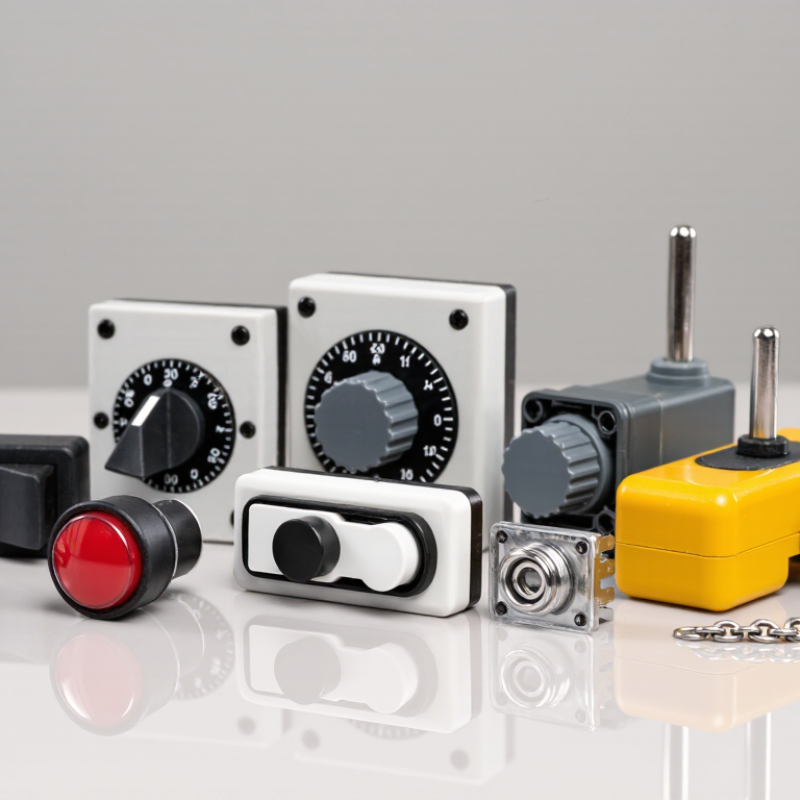
This guide covers ten common types of electric switches, including toggle, rocker, push-button, rotary, slide, selector, limit, foot, pull-chain, and reed switches. Each serves a different purpose. A limit switch can detect movement at the end of a conveyor, while a rotary switch can select among several settings. These examples are starting points, not universal recommendations. Check product datasheets and confirm that ratings match the actual load and installation conditions.

A tidy catalog photo can hide an awkward terminal layout or a switch that is difficult to reach once installed. That is worth considering. Buyers should also verify applicable safety and certification requirements for the destination market, since requirements vary. Comparing dimensions, materials, wiring diagrams, and stated operating life can help narrow choices before requesting samples or quotes. The best option is not always the most feature-rich; it is the one that fits the application, is clearly documented, and can be sourced reliably.
Top 10 Types of Electric Switches for Global Buyers

What Electric Switches Do and How They Are Classified

An electric switch controls whether current can flow through a circuit. In a wall, a rocker switch may control a lamp; inside equipment, a tiny limit switch can detect a moving part. The action seems simple. Yet contact design, load, and operating conditions change what a switch can safely do.

Switches can be classified by how they are operated: toggle, pushbutton, rocker, rotary, slide, or sensor-activated. They also differ in function. A maintained switch stays in position, while a momentary switch returns when released. Contact arrangements provide another useful classification: single-pole, double-pole, and their different throw options describe which circuits the switch can control. These terms are easy to mix up when comparing product descriptions.

For selection, check the rated voltage and current, along with the type of load. A motor can draw more current during startup than during steady operation. Consider the surroundings too: dust, moisture, vibration, and frequent use may affect service life. A switch that fits the panel is not automatically suitable for the circuit. In practice, labels can be incomplete, so confirm specifications against the equipment requirements. Small details matter.

Top 10 Types of Electric Switches for Global Buyers

What electric switches do and how they are classified

Electric switches open, close, or redirect electrical circuits. This chart groups ten common types by operating principle; counts show the number of listed types in each group, not market share or sales.

Ten Common Types of Electric Switches

Electric switches vary by motion, circuit function, and installation setting. Common household and industrial types include toggle, rocker, push-button, rotary, slide, selector, and pull-cord switches. Toggle and rocker designs suit straightforward on/off control; rotary and selector switches let operators choose settings. Push-button switches are common on control panels, while slide switches fit compact devices. Small, tactile differences matter.

Other useful types include limit, reed, and pressure switches. A limit switch detects movement, such as a machine guard reaching its stop. A reed switch responds to a magnetic field, often inside a sealed enclosure. A pressure switch changes state when pressure crosses a set point. The boundaries blur a little: a pressure switch senses a condition, rather than serving as a hand-operated control.

Selection needs more than a preferred feel. Check rated voltage and current, switching duty, terminal type, enclosure protection, and expected operating cycles. The IEA’s Electricity 2025 report says global electricity demand grew 4.3% in 2024. That figure describes electricity use, not switch sales, but it underscores why dependable control components matter. A dusty workshop, wet utility area, and quiet bedroom call for different switch constructions; the right choice is not always obvious from a catalog photo.

Top 10 Types of Electric Switches for Global Buyers – Ten Common Types of Electric Switches
No. Switch Type How It Operates Common Applications Typical Installation Key Selection Consideration
1 Toggle Switch A lever moves between stable positions to open or close one or more circuits. Control panels, equipment, vehicles, and general-purpose electrical controls. Panel-mounted, commonly with a threaded bushing and lever. Check the required pole and throw configuration, panel-hole size, terminal type, and electrical rating.
2 Rocker Switch A pivoting actuator rocks between two or more positions. Appliances, power strips, lighting controls, and machinery. Panel-mounted or built into an enclosure, often with a rectangular cutout. Confirm the cutout dimensions, illumination requirements, terminal layout, and load rating.
3 Push-Button Switch A button changes the circuit state when pressed; it may be momentary or maintained. Start and stop controls, doorbells, control stations, and user interfaces. Panel-mounted or PCB-mounted, depending on the design. Choose the correct contact arrangement, operating action, actuator style, and environmental protection.
4 Slide Switch A sliding actuator moves contacts between circuit positions. Portable electronics, small instruments, and low-power control circuits. PCB-mounted or installed in a small enclosure. Check the number of positions, pole configuration, actuator access, and intended signal or load level.
5 Rotary Switch A rotating shaft selects one of several circuit positions. Instrumentation, selector controls, audio equipment, and multi-setting appliances. Panel-mounted or PCB-mounted, with a shaft or knob for operation. Verify the number of positions, pole arrangement, switching sequence, and mechanical indexing.
6 Selector Switch A knob or lever selects a defined operating mode, often with maintained positions. Industrial control panels, machine mode selection, and process equipment. Typically panel-mounted, sometimes with contact blocks attached behind the panel. Consider the required positions, maintained or spring-return action, contact blocks, and enclosure rating.
7 Limit Switch A mechanical actuator changes electrical contacts when moved by an object or mechanism. Machine positioning, travel limits, interlocks, and automated equipment. Mounted near a moving part; actuator styles include lever, roller, and plunger. Match the actuator to the movement, and check operating force, travel, repeatability, and environmental conditions.
8 Reed Switch Magnetic field changes the state of sealed contacts inside a glass capsule. Door and window sensors, position sensing, and low-current switching. Installed near a magnet, often in a sensor housing or on a circuit board. Check the required operate and release distances, contact form, load limits, and magnet alignment.
9 Micro Switch A small movement of the actuator rapidly changes the contact state through a snap-action mechanism. Appliances, vending equipment, safety interlocks, and position detection. Mounted to a bracket or enclosure, with a lever, roller, or plunger actuator. Review operating force, differential travel, actuator type, mechanical life, and electrical rating.
10 DIP Switch Small manually operated switches set configuration options, typically using individual slide or rocker actuators. Address settings, mode selection, and configuration on electronic circuit boards. Usually PCB-mounted, with the actuator accessible from above. Confirm the number of positions, pitch, actuator style, and whether the circuit is intended for signal-level use.

How Switch Mechanisms Differ in Operation and Control

Electric switches differ less by appearance than by how they move contacts and control a circuit. A toggle uses a lever and spring; a rocker pivots under a fingertip. Rotary switches step through positions, while slide switches move contacts along a narrow track. Push-buttons act momentarily or latch, depending on their internal mechanism. Small movements matter. Selector switches offer deliberate choices, often for machine modes. Limit switches respond to physical travel; pressure and float switches react to changing conditions. Proximity switches detect nearby objects without contact. These mechanisms suit different tasks, not interchangeable preferences.

For global buyers, ask what triggers the switch, whether it stays on, and how often it will operate. A dusty workshop may challenge exposed moving parts; a control panel needs clear position feedback. IEC 60669-1 sets requirements for household and similar fixed-installation switches, but industrial sensing devices may follow other standards. Check the product’s intended application and rated load. The IEA’s 2023 Global Status Report for Buildings and Construction estimates that buildings use about 30% of global final energy. That figure does not measure switch savings, but it shows why control choices matter. A neat catalog cannot predict every site; that is easy to overlook.

Typical Applications for Each Switch Type

Toggle switches suit workshop equipment and control panels where a clear, lever-operated ON/OFF action helps. Rocker switches are common on appliances and power strips; their broad surface is easy to press. Pushbuttons operate doorbells, machine controls, and emergency-stop circuits, depending on their contact design. Some return when released. Rotary switches select fan speeds, instrument ranges, or operating modes. Slide switches work well in compact, low-current devices such as small electronics.

DIP switches let technicians set circuit options on control boards, often during installation or servicing. Limit switches detect moving parts reaching a set position, such as a lift platform or machine guard. Reed switches respond to a nearby magnet and are used in door or window sensors. Pressure switches can start or stop pumps when system pressure crosses a set point. Thermal switches respond to temperature changes, helping manage heaters or protect equipment. The fit matters. A common detail is easy to overlook: the switch must match the load, environment, and expected operating cycle. Dust, vibration, and frequent use can change which type is practical, so checking the equipment specifications is worth the extra time.

How Global Buyers Compare Ratings, Standards, and Installation Needs

Global buyers should compare electric switches by application, not appearance. A compact toggle switch may suit a control panel, while a heavy-duty isolator serves a different purpose. Check rated voltage and current against the actual load. Motors and other inductive loads can stress contacts more than simple resistive loads. A rating that looks sufficient may not be sufficient.

Small detail. Big consequence.

Standards and certification requirements vary by destination market and switch type. Request the relevant test reports and conformity documents, then confirm they match the exact model and intended use. Do not assume one certification mark covers every country. Also compare temperature limits, enclosure protection, and expected operating cycles. These details matter in a humid workshop or a dusty production area.

Installation needs can change the best choice. Check panel cutout dimensions, mounting depth, terminal style, wire range, and required clearance before ordering. A screw terminal may be easy to inspect, but it can take longer to wire than a quick-connect terminal. A comparison sheet can still miss site conditions, so confirm the enclosure and wiring plan with the installer. I would leave room for that final check.