
Global buyers are rethinking which electronic products deserve space in their sourcing plans. Demand now reaches far beyond smartphones and laptops. Buyers are evaluating smart home devices, wearable technology, charging equipment, audio products, security tools, and energy-saving electronics. Each category brings different risks, costs, and customer expectations.
Don Norman, a leading authority on human-centered design, stated, “The real problem is not technology; it is design.” His observation matters during supplier selection. A product may use a fast processor, bright display, or large battery. Yet poor usability can still create returns and negative reviews. Experienced buyers examine product samples closely. They test buttons with wet fingers, inspect cable strength, check packaging, and compare battery claims with real performance. Small details often expose larger manufacturing weaknesses.
This guide explores ten electronic products with strong global sourcing potential. It considers market demand, practical applications, customization options, quality control, certifications, and supplier reliability. The analysis also recognizes uncomfortable realities. The cheapest quotation is rarely the cheapest final cost. A fashionable product can lose demand within months. Even reliable factories may struggle during component shortages. No ranking can predict every market shift. That limitation deserves attention. Buyers should combine supplier audits, independent testing, clear specifications, and small trial orders before scaling. Sustainable materials and repairability also matter more than they did a few years ago. The right choice is not always the newest device. Often, it is the product that performs consistently, ships safely, and solves a clear customer problem.
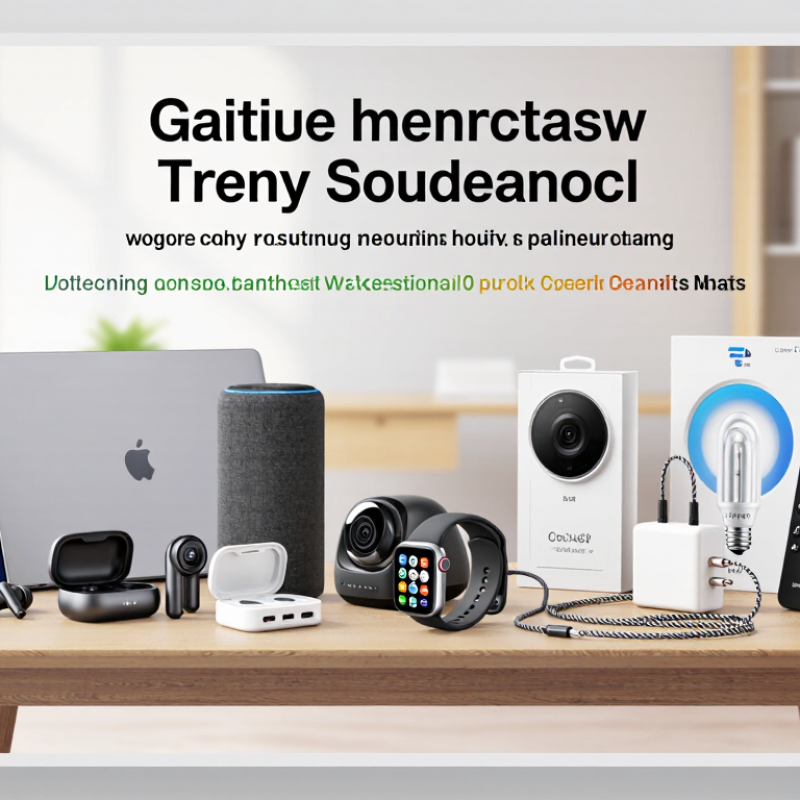
Global buyers often begin with smartphones and tablets because demand is broad, but sourcing decisions require more than comparing unit prices. Check operating-system compatibility, network bands, screen brightness, storage options, and charging specifications before requesting quotations. A low-cost device may create higher expenses through weak batteries, limited software support, or frequent returns.
Essential mobile accessories deserve equal attention. Protective cases should fit accurately around cameras, buttons, and charging ports. Screen protectors need clean edges and consistent hardness. Charging cables, adapters, power banks, and wireless chargers require documented safety testing and clear technical labels. Ask suppliers for sample units, inspection reports, packaging details, and production lead times. I have found that sample testing often reveals loose connectors, uneven printing, or overheating that photographs never show.
Reliable suppliers explain component sources, quality controls, warranty handling, and replacement procedures without vague promises. Buyers should also verify product markings, plug designs, battery documentation, and import requirements in each destination market. Small details matter. Packaging should survive humid warehouses and rough transport. Still, no inspection is perfect; even approved samples can differ from mass production. Use staged inspections and record defects with photos, measurements, and batch numbers. This process costs time, yet it protects margins and builds more dependable purchasing decisions.
Top 10 Electronic Products Global Buyers Should Source?
Laptops, desktop computers, and workplace electronics remain essential for modern offices. Buyers should compare processor performance, memory, storage, screen quality, and repair access before requesting quotations. A low purchase price may hide weaker batteries, noisy cooling systems, or limited replacement parts. Details matter.
For office laptops, test keyboard comfort, webcam clarity, battery endurance, and wireless stability. Desktop computers often offer easier upgrades and stronger performance for design, finance, and data-heavy work. Monitors should provide adjustable stands, clear text, suitable brightness, and ports that match existing equipment. Docking stations, keyboards, mice, headsets, webcams, and backup power devices can complete a reliable workstation. Test before shipping.
Experienced sourcing teams usually request production samples, inspection reports, packaging photographs, and serial-number records. They also verify electrical safety documentation and applicable market requirements before shipment. Data security deserves attention too, especially for computers with preinstalled operating systems or storage drives. Suppliers should explain factory reset procedures and firmware controls in clear language. A polished sample does not always represent mass production. That gap matters.
Buyers can reduce risk by defining acceptable defect rates, warranty response times, spare-part availability, and delivery conditions in writing. It helps to test devices at realistic temperatures and with commonly used office software. Some specifications still need revision after user trials. A spreadsheet may approve a device that employees dislike using all day. Feedback from actual staff should influence the final order, not just technical scoring.
Global shipment estimates highlight product categories with broad demand across consumer, education, and workplace markets. Figures are rounded 2023 worldwide unit shipments in millions and are not linked to any individual company or brand.
Laptops, monitors, networking equipment, and mobile devices combine high shipment volumes with recurring replacement and upgrade demand, making them practical categories for international sourcing.
Top 10 Electronic Products Global Buyers Should Source?
Audio, Video, Gaming, and Entertainment Devices
Global buyers should evaluate audio, video, gaming, and entertainment devices through real use cases. A speaker may sound impressive indoors but perform poorly in a crowded showroom. Test volume, bass clarity, microphone pickup, and connection stability before approving samples. I have learned that attractive specifications cannot replace hands-on testing. Small errors matter.
For video products, check image brightness, viewing angles, input compatibility, and menu language options. Confirm that cables, adapters, and power requirements suit the destination market. Streaming devices should support reliable updates and clear privacy controls. Gaming accessories need durable buttons, accurate controls, comfortable grips, and safe charging performance. Test them with different users, not only technical staff.
Entertainment products also need practical packaging. Inspect corner protection, printed instructions, labeling, and replacement parts. Ask suppliers for quality records, safety documentation, and consistent production samples. Review wireless functions carefully because regional requirements may differ. Battery-powered goods require responsible transport planning and verified protection features. Some buyers focus too much on unit price. That approach can create costly returns. No checklist is perfect. Recheck assumptions after customer trials, especially when products enter hot, humid, or dusty markets. A quiet fan, loose connector, or confusing setup screen may influence repeat orders more than a polished product image.
Smart home systems, wearables, and personal technology remain strong sourcing categories for global buyers. Smart door sensors, energy monitors, connected lighting, and home safety devices serve practical daily needs. Buyers should inspect app stability, wireless range, battery performance, and data protection before placing large orders. A polished demo can hide weak engineering.
Wearables require more than attractive screens. Fitness bands, sleep trackers, smart watches, and health-focused accessories need comfortable materials and reliable sensor readings. Ask suppliers for test reports, charging-cycle results, waterproof ratings, and clear user instructions. Confirm that product claims match approved testing and local market requirements. Small details matter. A loose charging contact can create expensive returns.
Personal technology includes earbuds, portable chargers, compact keyboards, and device stands. During supplier reviews, examine sample consistency, packaging strength, firmware updates, and replacement-part availability. The first sample is rarely perfect. I have seen promising products fail because buttons wore out quickly or instructions confused users. That weakness deserves honest discussion, not a rushed purchase. Buyers should audit factory processes, verify quality records, and agree on measurable inspection standards. Test products in realistic settings, such as crowded apartments, humid warehouses, and daily commuting conditions. Reliability grows from evidence, although no supplier can remove every risk.
Power supplies remain essential across factories, offices, and connected homes. Buyers should compare AC/DC adapters, industrial power units, battery chargers, UPS systems, and compact converters. Check output stability, thermal performance, efficiency, plug compatibility, and protection against surges. A supplier should provide test reports, material declarations, and clear production records. Do not judge reliability from samples alone. Batch consistency matters more.
Security equipment offers strong sourcing potential. Useful categories include cameras, access-control readers, alarm panels, motion sensors, video doorbells, and tracking devices. Confirm image performance in low light, storage methods, encryption settings, and local privacy requirements. A cheaper camera may create higher installation and maintenance costs. That lesson is easy to miss.
Emerging electronics add another layer, including wearable sensors, smart meters, energy-monitoring devices, and edge-computing modules. Their demand is promising, but firmware support can be uncertain. Buyers should test connectivity, update procedures, battery life, and interoperability before placing volume orders.
Tips: Request a pilot batch and inspect units from different production dates. Compare failure rates, not only purchase prices. Ask who controls the firmware and how defects are handled. Verify required certifications in each destination market, because approval rules differ. Keep a written inspection checklist with photos, measurements, and acceptance limits. It sounds basic. It prevents expensive arguments.