A solid-state battery stores and releases energy through electrochemical reactions, like other batteries. Its defining feature is a solid electrolyte, the material that carries ions between the electrodes. In many conventional lithium-ion batteries, that role is performed by a liquid electrolyte. The distinction sounds simple. In practice, it affects how a cell is designed, assembled, and tested.
The term “solid state” covers several material choices and battery designs, not one finished product. Some developers aim to improve energy density, safety, or charging performance, but results depend on the chemistry and construction. A solid electrolyte may reduce certain risks associated with flammable liquids; it does not make every battery immune to damage, overheating, or failure. Details matter. Manufacturing quality, contact between solid layers, operating temperature, cost, and service life can all shape real-world performance. Some designs also use small amounts of liquid or gel, so labels deserve careful reading.
The technology is promising, but the claims around it can sound more settled than the evidence warrants. A laboratory result does not automatically predict the cost or durability of a battery in a car. This guide explains what solid-state batteries are, how they differ from familiar lithium-ion cells, and why researchers and manufacturers are still working through practical challenges. The useful question is not only what the technology might achieve, but what has been demonstrated under clearly described conditions.
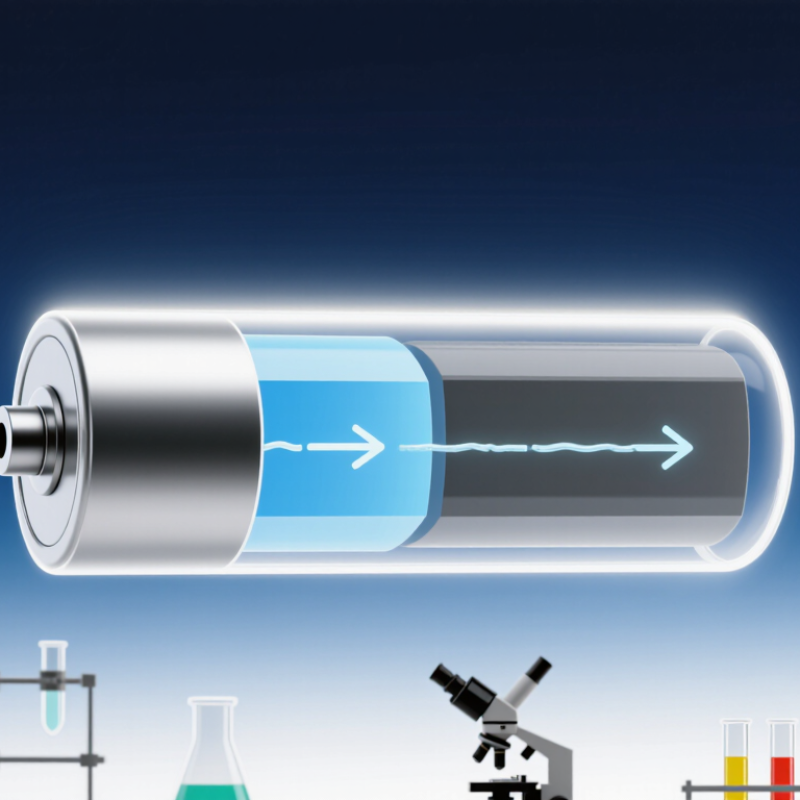
A solid-state battery uses a solid electrolyte instead of the liquid electrolyte found in conventional lithium-ion cells. Its main components are a cathode, an anode, the solid electrolyte, and current collectors. During charging, lithium ions travel through the electrolyte; electrons move through the external circuit. That is the basic idea. The details are less tidy. Ceramic, sulfide, and polymer electrolytes each offer different trade-offs in conductivity, flexibility, and manufacturing. Some designs use lithium-metal anodes, but not every solid-state battery does. The electrolyte must conduct ions while separating the electrodes and resisting unwanted reactions.
The interface matters. If the solid layers lose close contact, ions may move less efficiently, reducing performance over time. A lab cell can look promising, yet scaling it into durable, manufacturable cells remains difficult. For context, the International Energy Agency’s Global EV Outlook 2024 reported that battery prices fell 14% in 2023. That wider cost pressure helps explain why solid-state designs must prove both performance and production value.
Tips: When comparing designs, check the electrolyte type and whether “solid-state” means fully solid or partly hybrid. Small wording differences matter.
A solid-state battery moves lithium ions through a solid electrolyte instead of a liquid one. Inside the cell, the electrolyte separates the positive electrode, called the cathode, from the negative electrode, called the anode. During charging, an external power source drives lithium ions toward the anode. Electrons travel through the charging circuit, not through the electrolyte. At the anode, lithium is stored through a chemical change; the exact process depends on the cell design. That is the basic exchange.
When the battery powers a device, lithium ions move back toward the cathode through the solid layer. Electrons take a separate route through the device, providing electrical energy. The solid electrolyte may be ceramic, polymer, or a composite. Its job is simple to describe but demanding in practice: let ions pass while blocking electrons. Good contact matters. Uneven surfaces can increase resistance and reduce efficiency. Tiny gaps can weaken performance over repeated cycles. Some solid electrolytes may reduce leakage and flammability risks compared with certain liquid systems, but no battery is risk-free. A neat diagram hides those stubborn details. At microscopic interfaces, even small changes in pressure or temperature can affect how smoothly ions move.
A solid-state battery uses a solid electrolyte to move ions between its electrodes. Different electrolyte materials change how a cell handles heat, pressure, and manufacturing. Sulfide electrolytes conduct ions well and can be shaped under pressure, but they may react with moisture. Oxide electrolytes are generally more stable in air, yet their stiffness can make close contact with electrodes difficult. Polymer electrolytes are flexible and easier to process, although many conduct ions less effectively at room temperature. Halide electrolytes are another developing option, valued for promising conductivity and compatibility with some electrode materials. No single type is best for every design.
Battery architecture matters just as much. Thin-film cells use very thin layers and suit compact devices, but their stored energy is limited by their size. Larger stacked cells place alternating electrode and electrolyte sheets together. Some designs use composite layers, blending solid electrolyte with other materials to improve contact and ion movement. Engineers also adjust pressure, layer thickness, and surface texture; a tiny gap can raise resistance. That part is tricky. A cell that performs well in a small laboratory sample may behave differently when scaled up. The categories are not perfectly tidy, either: some experimental designs combine solid layers with small amounts of liquid. Reading performance claims therefore requires attention to the electrolyte, cell structure, and test conditions.
A solid-state battery replaces the flammable liquid electrolyte in conventional lithium-ion cells with a solid material. This design may enable compact cells, improved thermal stability, and higher energy density. The promise is real. But laboratory performance does not guarantee dependable, affordable products at scale.
The International Energy Agency reported that global electric-vehicle battery demand reached about 750 GWh in 2023, roughly 40% above 2022. That growth makes better storage attractive, yet solid electrolytes still face practical hurdles: they can crack, lose contact with electrodes, or require pressure and careful temperature control. BloombergNEF reported an average lithium-ion pack price of $115 per kWh in 2024, after a 20% annual decline. This is a tough cost benchmark. Solid-state manufacturing must compete with mature production while improving yield and cycle life; public comparisons are still limited and test conditions vary.
Tips: When evaluating a solid-state claim, check whether the data comes from a full-size cell or a small laboratory sample. Ask about charging speed, cycle count, operating temperature, and performance after repeated use. A strong headline is not enough. The missing detail may matter most.
What Is a Solid State Battery?
Solid-state batteries use a solid electrolyte instead of the liquid or gel electrolyte found in many conventional cells. The electrolyte carries ions between the electrodes while the battery charges and discharges. Some designs also use lithium-metal anodes, which could increase energy storage per unit weight. Promising, not magic. Safety depends on the full cell design, not one material alone.
Applications and Current Development of Solid-State Batteries
Electric vehicles are a major target because lighter, higher-capacity cells could support longer journeys. In practice, battery packs must also handle repeated fast charging, temperature swings, and years of vibration. Small electronics may benefit from compact cells, while specialized equipment could value stability over maximum capacity. It is easy to treat energy density as the whole story; it is not.
Researchers and manufacturers are testing different solid electrolytes, including ceramic, sulfide, and polymer materials. Each brings trade-offs. Ceramics can be brittle, some sulfides react with moisture, and polymers may conduct ions poorly at lower temperatures. The interfaces between layers are another challenge: tiny gaps can raise resistance and weaken performance over time. Pilot lines and prototype cells show progress, but scaling production consistently remains difficult. A lab result is not yet a dependable battery pack. Development is moving, though the pace and practical benefits remain uncertain.
| Dimension | Key Information | Applications and Development Status |
|---|---|---|
| Definition | A solid-state battery uses a solid electrolyte to conduct ions between its electrodes. Unlike conventional lithium-ion cells, it does not rely on a liquid electrolyte as its primary ion-conducting medium. | “Solid-state” describes the electrolyte, not a single battery chemistry or a guarantee of particular performance. |
| Common cell design | Many designs pair a solid electrolyte with a lithium-containing positive electrode and may use lithium metal, a silicon-rich material, or another anode design. Some concepts are designed to operate without a separate anode material when manufactured. | Cell architecture varies, and each design must balance energy density, cycle life, power output, manufacturability, and cost. |
| Solid electrolyte families | Major research families include sulfide, oxide, and polymer electrolytes. Sulfides can offer high ionic conductivity but are moisture-sensitive; oxides can be chemically stable but may be difficult to process and join at interfaces; polymers can be easier to shape but may have conductivity limitations, especially at lower temperatures. | No electrolyte family is best for every application. Material choice affects manufacturing conditions, operating temperature, safety considerations, and cell performance. |
| Potential advantages | Solid electrolytes may enable new electrode designs, including lithium-metal anodes, and could support higher cell-level energy density in some configurations. Removing a flammable liquid electrolyte may reduce certain fire risks. | These benefits are potential outcomes, not universal results. Complete cells must still meet safety, durability, and performance requirements. |
| Technical challenges | Key challenges include resistance at electrode–electrolyte interfaces, cracking or loss of contact during cycling, lithium filament growth in some designs, sensitivity to manufacturing conditions, and production yield. | Solutions often require carefully controlled materials, pressure management, protective layers, and repeatable large-scale processing. |
| Electric vehicles | Potential goals include longer driving range for a given battery mass or volume, improved packaging, and different charging or safety characteristics. | Automotive use requires validation of cycle life, fast charging, performance across temperatures, crash safety, and high-volume production. Development includes laboratory cells, pilot-scale manufacturing, and vehicle-oriented testing; broad, cost-competitive mass deployment remains a challenge. |
| Consumer electronics | Small, thin, or specially shaped cells could be useful where compact packaging is valuable. | Solid-electrolyte batteries are already used in some small-format applications, but their capabilities and construction should not be assumed to match emerging, larger all-solid-state lithium-metal designs. |
| Medical and wearable devices | Compact cells may suit low-power devices that benefit from small form factors and carefully controlled battery packaging. | Suitability depends on the device’s energy needs, operating conditions, service life, and applicable safety and regulatory testing. |
| Aviation and specialized systems | Higher energy per unit of mass is of interest for weight-constrained systems, including some aerospace and remote applications. | Adoption depends on demonstrated performance under vibration, temperature variation, pressure changes, and strict reliability requirements. These uses remain application-specific. |
| Grid and stationary storage | Stationary systems prioritize cost, service life, safety, and reliable operation; maximum energy density is often less important than in vehicles or portable devices. | Solid-state designs are being explored, but they must compete with established storage technologies on total system cost, lifetime, and ease of deployment. |
| Current development stage | Research is progressing in electrolyte materials, electrode interfaces, cell formats, and manufacturing methods. Results from laboratory cells do not automatically predict performance in large commercial cells. | Development ranges from basic research and prototype testing to pilot production. Timing and readiness vary by design; large-scale cost-effective production and long-term field performance remain important proof points. |
| Safety considerations | A solid electrolyte may reduce reliance on flammable liquid electrolyte, but it does not make a battery risk-free. Electrodes, interfaces, packaging, charging conditions, and manufacturing defects can still affect safety. | Safety must be assessed at cell and system level through testing under relevant operating and failure conditions. |
Important: Solid-state batteries are a broad class of technologies. Performance, safety, and commercial readiness depend on the specific materials, cell design, manufacturing process, and intended use.