Finding reliable electronic components for sale has become a supply-chain decision, not merely a price comparison. Buyers must evaluate authenticity, traceability, technical fit, and delivery risk before placing an order. A low listing price can hide outdated stock, incomplete specifications, or weak warranty support. That matters when a single missing connector can stop an entire production line.
Market data shows why sourcing discipline is increasingly important. The World Semiconductor Trade Statistics (WSTS) forecast semiconductor sales to reach approximately $697 billion in 2025, following strong growth in 2024. The Semiconductor Industry Association reported global semiconductor sales of $627.6 billion in 2024. These figures reflect expanding demand across automotive systems, industrial controls, telecommunications, and consumer electronics. They also indicate stronger pressure on inventories and supplier networks. Demand is growing fast.
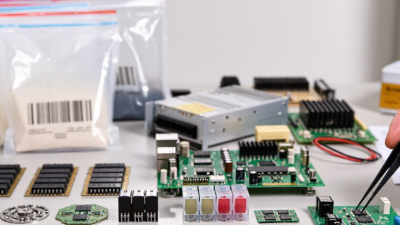
In practice, dependable purchasing begins with authorized distributors, established manufacturers, and suppliers that publish complete documentation. Check manufacturer part numbers, date codes, package details, compliance statements, and test records. Compare the seller’s stated lead time with the manufacturer’s availability. A warehouse photograph can help, but it does not prove authenticity. Independent verification remains necessary. The Electronic Component Industry Association has repeatedly emphasized supplier quality and counterfeit-risk awareness across the distribution channel. Still, no sourcing method is perfect. Even experienced buyers can overlook a revised datasheet or an unsuitable substitute. This guide explains where to buy electronic components for sale, how to compare supplier credibility, and which practical checks can reduce costly purchasing mistakes.

Electronic components serve different jobs inside circuits. Resistors limit current and divide voltage. Capacitors store brief electrical charges and reduce noise. In practical assembly work, I check their values before placing them on a board. A wrong resistance can create heat or unstable signals. Small ceramic capacitors often support power filtering near integrated circuits. Larger capacitors can help smooth output from power supplies.
Diodes allow current to move mainly in one direction. They protect circuits from reversed connections and voltage spikes. Light-emitting diodes provide visual signals, while rectifier diodes support power conversion. Transistors act as switches or amplifiers. Integrated circuits combine many functions in compact packages. They may control timing, process sensor data, or manage communication. Careful reading of datasheets remains essential. Package shape alone is not reliable evidence.
Connectors, switches, relays, and sensors handle interaction with the outside world. Connectors join boards and cables. Switches open or close a circuit manually. Relays control higher-power loads through a separate low-power signal. Sensors detect temperature, light, movement, or pressure. When buying components, I compare specifications, tolerance, operating temperature, and storage conditions. A low price can hide poor documentation. I have also found that similar-looking parts may behave differently. That mistake is easy to repeat. Verified electrical data matters more than appearance.
Choosing a component supplier requires more than comparing prices. Reliability affects every stage, from prototype testing to final production. Look for suppliers with clear product specifications, traceable part numbers, and consistent stock information. A professional supplier should provide datasheets, revision details, and realistic delivery dates. If a listing lacks basic electrical ratings, treat it carefully. Small gaps can become expensive failures.
Experience also matters. I once trusted a low-cost listing with unclear packaging details, and the delivered parts required extra inspection. The delay was avoidable. Ask whether the supplier supports sample orders, batch verification, and return procedures. Check storage conditions for sensitive parts, especially those affected by moisture or static electricity. Independent reviews can help, but they should not replace technical verification. Certification claims also deserve direct evidence.
Tips: Compare at least three suppliers before ordering. Request photographs of labels and packaging when authenticity matters. Confirm voltage, tolerance, operating temperature, and lifecycle status. Keep written records of quotations and inspection results. A supplier may answer quickly but still provide weak documentation. That distinction is easy to miss. When purchasing online, test a small quantity first. For urgent projects, calculate shipping time, customs requirements, and possible inspection delays. The cheapest option is not always the safest choice.
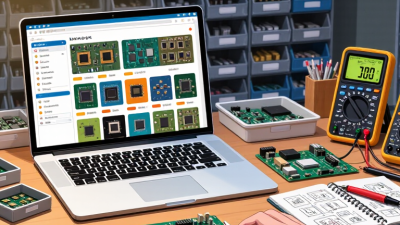
When buying electronic components, choose between online distributors and local electronics shops based on urgency, verification, and quantity. Online catalogs offer wider selections, searchable specifications, datasheets, and visible stock levels. They work well for planned repairs or prototype batches. Check package type, tolerance, voltage rating, temperature range, and revision details before ordering. A low price means little if the part arrives without traceable documentation. That detail is often overlooked.
Local shops provide immediate access, useful advice, and a chance to inspect packaging before payment. Bring the old component or a clear circuit-board photograph. Staff can help compare pin spacing, connector shape, and markings. However, local stock may be older, limited, or poorly labeled. Ask about sealed packaging, return terms, storage conditions, and date codes. A helpful conversation cannot replace technical verification.
For critical equipment, buy from sellers who publish complete specifications, lot information, certificates, and clear contact details. Read independent reviews carefully, but treat anonymous comments as supporting evidence rather than proof. Compare the datasheet with your circuit requirements, then test a small quantity before placing a larger order. I would not rely on photographs alone; markings can be unclear or distorted by glare. Online purchasing is convenient, yet shipping damage and substitution remain possible. Local purchasing is faster, yet convenience can encourage rushed decisions. The safest choice depends on evidence, not habit.
The chart compares typical fulfillment times for commonly purchased component categories. Local stores are generally faster for standard parts available from stock, while online sources usually provide broader selection for specialized or less common components. Values represent typical business-day estimates and may vary by inventory, order quantity, and shipping method.
Buying electronic components requires more than finding the lowest listing price. Compare the full cost, including unit price, shipping, taxes, and minimum order quantity. A ten-cent resistor can become expensive when delivery adds twelve dollars. Request a current datasheet, manufacturing date, and traceable lot information. Reliable sellers should answer specific questions clearly, not hide behind polished descriptions. A common mistake is trusting attractive prices too quickly.
Check tolerance, operating temperature, voltage rating, package dimensions, and compliance documents. For integrated parts, confirm the exact suffix, revision, and packaging condition. Counterfeit risk grows when photos look generic or markings seem inconsistent. Ask for sample quantities before committing to hundreds. Test samples under real load, not only at room temperature. That extra hour may prevent costly rework. Quality is not always perfect.
Compare handling time, estimated transit, tracking, insurance, and return terms. A cheap part arriving three weeks late can stop an assembly line. Ask whether stock is physically available or only promised by a distributor. Keep written records of quotations and delivery promises. I would also add safety stock for critical parts, although this ties up cash. Price, quality, and delivery must be judged together. No single number tells the whole story.
Buying electronic components online requires more than comparing prices. I check seller identity, technical records, and transaction terms before adding parts to a cart. A reliable seller should provide a legal business address, responsive contact channel, and clear product documentation. Ask for datasheets, photographs, lot numbers, and stock status. Vague answers are warning signs. They happen often.
I also compare the listing with published technical specifications, when available. Check package type, tolerance, voltage rating, date codes, and moisture-sensitive handling requirements. Read independent reviews, but do not trust ratings alone. Review patterns matter more than one angry comment. Request a small sample order when quality is difficult to verify. Inspect labels, pin alignment, solderability, and protective packaging after delivery. My own mistake was assuming sealed packaging guaranteed authenticity. It did not.
Before placing an order, confirm the exact part number and approved substitute policy in writing. Clarify minimum order quantity, lead time, shipping method, inspection period, and refund conditions. Use a payment method with documented buyer protection. Keep invoices, messages, test results, and delivery photos together. If the seller pressures you to pay quickly, pause. A short delay is cheaper than unusable inventory. Start with a modest quantity, especially when the seller has limited history. Check the order confirmation carefully; one missing suffix can change the component entirely.