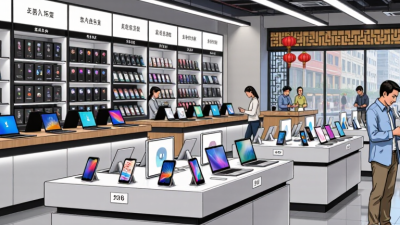
Why Choose an Electronics Marketplace for Global Sourcing?

Global electronics sourcing is no longer a simple search for the lowest factory quote. Buyers now compare suppliers, certifications, lead times, component availability, and after-sales support across borders. An electronics marketplace brings these details into one working environment. It can shorten supplier discovery while giving procurement teams clearer evidence for decisions.

The scale of the industry explains the need for better sourcing tools. The Semiconductor Industry Association reported global semiconductor sales of $526.8 billion in 2023. Its cited WSTS forecast expected substantial growth in 2024. That growth increases pressure on buyers seeking stable supply and technically capable partners. UNCTAD’s Technology and Innovation Report 2023 estimated that frontier technology markets could grow from $1.5 trillion in 2020 to about $9.5 trillion by 2030. More opportunity also means more technical and supplier complexity.

A reliable marketplace can support RFQ comparison, sample requests, production audits, and document review. Buyers may also examine factory capacity, compliance records, and transaction history before committing funds. These features do not replace professional due diligence. They make it more structured. That distinction matters. A polished profile is not proof of manufacturing quality. It is only a starting point.

Experienced sourcing teams still verify certifications, test reports, ownership details, export requirements, and product specifications independently. They request physical samples before approving volume orders. They also calculate landed cost, including freight, duties, inspection, and warranty exposure. The best platforms create useful visibility, not unrealistic certainty. Mistakes can still happen. Yet an electronics marketplace can reduce scattered communication, improve supplier comparison, and make global sourcing more accountable.

Why Choose an Electronics Marketplace for Global Sourcing?

What Is an Electronics Marketplace for Global Sourcing?

An electronics marketplace for global sourcing is a digital trading environment for verified suppliers, component makers, and professional buyers. It combines product discovery, technical specifications, supplier profiles, pricing signals, and inquiry tools in one place. Buyers can compare parts across regions without relying only on scattered emails or trade fairs.

This model matters as electronics supply chains become more complex. The WSTS Autumn 2024 forecast estimated global semiconductor sales at 626.9 billion dollars in 2024 and 697.2 billion dollars in 2025. More transactions also create more uncertainty. A marketplace cannot remove quality risks, regional compliance duties, or delivery delays. It can, however, make supplier screening more visible and consistent. Useful records include datasheets, test reports, production capacity, lead times, and trade references. In practice, small specification gaps can cause costly redesigns. I have found that comparison tools save time, but only when buyers check the original documents.

Tips: Define voltage, tolerance, packaging, lifecycle status, and target quantity before searching. Request samples and recent inspection evidence. Compare total landed cost, not only the listed unit price. The International Data Corporation reported continued growth in connected devices, increasing demand for dependable component sourcing. Yet forecasts can change quickly. Treat marketplace data as a starting point, not final proof. A careful buyer still validates technical fit, supplier capability, and applicable import requirements before placing an order.

How Electronics Marketplaces Connect International Buyers and Suppliers

An electronics marketplace connects international buyers with suppliers through one searchable, structured environment. Buyers can compare specifications, minimum order quantities, certifications, lead times, and shipping terms before requesting samples. Suppliers gain access to overseas demand without building separate sales channels in every country.

The scale is significant. UNCTAD’s Digital Economy Report 2024 estimated business e-commerce sales across 43 economies at nearly US$27 trillion in 2022. That volume shows why digital sourcing needs clearer systems, not merely larger product catalogs. A reliable marketplace can standardize product data, support multilingual communication, and keep quotation records visible. In practice, this means a buyer in Germany can ask about connector tolerances while a supplier in Vietnam shares drawings, test reports, and production capacity in the same workflow.

The process is not frictionless. A polished listing may still omit thermal limits or change-control procedures. Buyers should verify samples, factory evidence, compliance documents, and payment conditions independently. The International Trade Centre reports that small businesses often face costly barriers in cross-border trade, including information gaps and complex procedures. Marketplaces reduce some of that uncertainty, but they cannot replace technical judgment. My own sourcing experience suggests that the best conversations become specific quickly: wire gauge, inspection points, packaging photos, and delivery windows. That detail feels slower, yet it prevents expensive assumptions.

Key Benefits of Using a Marketplace for Electronics Procurement

An electronics marketplace can make global procurement more visible and manageable. Instead of emailing scattered suppliers, purchasing teams can compare specifications, stock levels, lead times, and order quantities in one workspace. A buyer may filter for voltage ratings, connector types, operating temperatures, or compliance documents before requesting quotes. These details reduce avoidable mismatches. They also create a clearer record for internal reviews and supplier checks. Not every listing is equally complete. That matters.

Marketplaces can widen supplier access without removing professional judgment. Buyers can review seller histories, certifications, inspection options, payment terms, and shipping routes before placing an order. For a small engineering team, this may shorten the search for sensors, control boards, cables, or power components. Competitive quotations improve price awareness, while centralized communication reduces repetitive follow-up. Yet the lowest price is not always the best value. A cheaper component with uncertain traceability can cause testing delays, redesign costs, or production risk. Verification remains essential.

Reliable procurement depends on consistent checks. Teams should confirm datasheets, revision numbers, packaging conditions, warranty terms, and applicable shipping requirements. Sampling and independent inspection can expose labeling errors before a larger shipment moves. A marketplace may support these steps, but it cannot replace technical ownership. In practice, clear specifications often matter more than impressive supplier counts. Buyers should record what was checked, what was assumed, and what still needs evidence. That last part is easy to overlook.

Why Choose an Electronics Marketplace for Global Sourcing? - Key Benefits of Using a Marketplace for Electronics Procurement
Procurement Dimension Data Available in a Marketplace Key Benefit for Global Electronics Sourcing Recommended Verification Reference
Supplier Discovery Supplier location, product categories, manufacturing capability, minimum order quantity, lead time, and export markets. Creates a broader and more structured supplier pool than relying on a small number of existing contacts or local networks. Supplier profile, business registration documents, export records, and sample-order performance.
Product Comparison Part number, technical specifications, package type, operating range, compliance status, unit price, and availability. Allows buyers to compare technically equivalent products using consistent fields before requesting samples or quotations. Manufacturer datasheet, technical drawing, certificate of conformity, and sample inspection report.
Price Benchmarking Quoted price by quantity tier, currency, packaging format, payment terms, and shipping term. Improves negotiation preparation and helps separate product cost from freight, duties, taxes, inspection, and other landed-cost components. Formal quotation, purchase order, freight quotation, and applicable tariff classification.
Global Trade Visibility Country of origin, Harmonized System code, export documentation requirements, Incoterms® rule, and estimated transit information. Supports more accurate landed-cost planning and reduces avoidable delays caused by incomplete or inconsistent shipping information. UN Comtrade trade data, customs documentation, Incoterms® 2020 rules, and freight records.
Quality and Compliance Quality-management certifications, restricted-substance declarations, test reports, inspection records, and product traceability fields. Helps buyers screen suppliers against technical, environmental, and regulatory requirements before placing a larger order. ISO 9001 certificate, EU RoHS Directive 2011/65/EU documentation, IEC 63000 technical documentation, and independent test results.
Component Authenticity Lot code, date code, packaging images, traceability information, source declaration, and inspection status. Reduces the risk of receiving mixed lots, relabeled parts, counterfeit components, or products with uncertain storage history. Chain-of-custody records, lot-level photographs, electrical testing, visual inspection, and independent authentication.
Request for Quotation Efficiency Standardized RFQ fields for quantity, target specification, delivery location, required documents, and requested delivery date. Reduces repetitive email exchanges and makes supplier quotations easier to compare on an equivalent scope of supply. RFQ template, quotation comparison sheet, clarification log, and approved technical specification.
Order Consolidation Multiple products, suppliers, quantities, delivery dates, packaging requirements, and shipment instructions in one procurement workflow. Can simplify purchasing administration and help buyers evaluate whether consolidation is practical for freight and customs processing. Consolidated purchase order, packing list, commercial invoice, and shipment plan.
Risk Screening Supplier response history, document completeness, production capacity, delivery performance, return terms, and dispute records. Provides a repeatable basis for supplier qualification instead of making decisions solely on price or promotional claims. Supplier due-diligence checklist, audit report, references, sample-order results, and contract terms.
After-Sales Support Warranty period, return and replacement procedure, technical support channel, failure-analysis process, and spare-part availability. Clarifies post-delivery responsibilities and helps estimate the operational impact of defects or field failures. Warranty terms, RMA procedure, failure-analysis report, service-level agreement, and replacement records.
Note: Actual pricing, lead times, compliance requirements, and shipping conditions vary by product, destination market, order volume, and supplier. All technical and regulatory information should be verified against current official documentation before purchase.

How to Evaluate Suppliers, Products, and Marketplace Reliability

Why Choose an Electronics Marketplace for Global Sourcing?

A reliable electronics marketplace gives buyers access to multiple suppliers, product categories, and pricing options. However, a polished profile is not proof of capability. Evaluate each supplier’s manufacturing experience, response speed, export history, and quality records. Ask for business registration details, factory images, product certificates, and recent testing reports. Verify whether documents match the exact model you plan to purchase.

Product evaluation should be practical and specific. Request samples before placing a large order. Check soldering quality, connector strength, packaging, labeling, and performance under normal use. Confirm the component grade, tolerance, operating temperature, minimum order quantity, and expected lead time. A low price may hide inconsistent materials or weak after-sales support. It is easy to overvalue attractive listings. That mistake can become expensive. Marketplace reliability also depends on transparent reviews, clear payment protection, traceable communication, and a fair dispute process. Do not rely on ratings alone; recent feedback matters more than old praise.

Tips: Compare at least three suppliers for the same specification. Keep written records of every promise. Ask how defects are handled before ordering. Test samples independently when safety or performance matters. Some evaluations will still be incomplete, especially when factory access is limited. Recognizing that uncertainty is part of responsible sourcing.

Best Practices for Managing Cross-Border Electronics Sourcing

Why Choose an Electronics Marketplace for Global Sourcing?

A reliable electronics marketplace can simplify supplier discovery, product comparison, and cross-border communication. It should provide clear company profiles, technical documents, transaction records, and responsive support. Still, the platform is only a starting point. Buyers must verify supplier capabilities independently, especially for sensitive components and custom assemblies.

Request recent samples, factory photographs, production capacity, and relevant test reports. Check whether specifications match the actual sample, not just the online listing. Documents can be outdated. Compare at least three quotations, but avoid choosing solely by price. A lower quote may hide weaker materials, limited testing, or costly shipping conditions. Record voltage, tolerance, firmware version, packaging needs, and inspection standards in one shared document. Small omissions can create expensive misunderstandings.

Cross-border orders need a practical control plan. Confirm payment milestones, delivery terms, export paperwork, warranty scope, and responsibility for damaged goods before production starts. Use independent inspection when the order value justifies it. Keep serial numbers, batch details, photos, and test results for future troubleshooting. A pilot order is often safer than a large first purchase. It may feel slower, but it reveals communication gaps early. No checklist is perfect. I would still review supplier performance after delivery, because a smooth sample order does not guarantee stable mass production.