
News / Blog
Why Do Global Buyers Use an Electronics Marketplace?
Global electronics sourcing is no longer limited to trade fairs, local distributors, or long email chains. Buyers can now compare components, finished devices, and supplier profiles through an electronics marketplace. The shift reflects a larger change in business purchasing. UNCTAD’s Digital Economy Report 2021 estimated global e-commerce sales at $26.7 trillion in 2019, including $21.8 trillion in business-to-business transactions. The figures are broad, not electronics-specific. Still, they show the scale of online commercial trade.
For electronics buyers, a marketplace can make early research more practical. A sourcing team might compare connector specifications, minimum order quantities, lead times, and supplier locations before requesting a quote. Product listings and platform communication tools can also help teams organize conversations across borders. McKinsey’s 2024 B2B Pulse survey found that business buyers use an average of ten interaction channels during the purchasing process. That finding helps explain why online discovery matters, even when final decisions still involve direct discussions, samples, and technical checks.
Convenience is not proof of quality. A polished listing cannot confirm a component’s performance under real operating conditions. Buyers still need to review documentation, ask specific questions, and assess whether a supplier fits their requirements. That extra work can be frustrating. It is also where careful sourcing begins. Understanding why global buyers use an electronics marketplace means looking beyond product search: these platforms can widen access and improve comparison, but sound decisions still depend on verification and human judgment.

What an Electronics Marketplace Provides to Global Buyers
An electronics marketplace gives global buyers one place to discover components, compare specifications, and contact suppliers. Instead of relying on scattered emails, a buyer can review product listings, available quantities, stated lead times, and supplier information side by side. This makes early sourcing decisions easier to track. A connector’s pin spacing or a component’s operating temperature can matter as much as its price.
Marketplace listings are a starting point, not proof of suitability. Product descriptions may use different units or omit details, so buyers should confirm the exact part number, revision, packaging, and test requirements before placing an order. Requesting a sample can reveal practical issues, such as a fit that looks right on screen but feels loose in an assembly. A polished listing can still leave questions unanswered.
Tips: Compare like with like: check specifications, minimum order quantities, delivery estimates, and response times. Keep written confirmation of agreed details. For a first purchase, consider a small sample order and inspect it against your requirements. Small details matter. A marketplace can make sourcing clearer, but careful verification still takes time.
Why Do Global Buyers Use an Electronics Marketplace? — What an Electronics Marketplace Provides to Global Buyers
| Marketplace Dimension | What Buyers Can Access | Why It Helps Global Buyers | What to Check |
|---|---|---|---|
| Product discovery | Searchable listings for components, devices, accessories, and related services, often filterable by specifications. | Helps buyers explore a wider range of products and potential suppliers without contacting each source individually. | Confirm the exact model, technical specifications, condition, and listing date. |
| Supplier comparison | Supplier profiles and product information that can support side-by-side evaluation. | Makes it easier to compare available options, stated capabilities, minimum order quantities, and response details. | Independently verify business credentials, manufacturing or distribution capacity, and references where appropriate. |
| Quotation requests | Tools for sending product requirements, quantities, target delivery dates, and other purchasing details to suppliers. | Can streamline early discussions and help buyers obtain offers suited to their order requirements. | Ask for a complete quotation covering unit price, tooling or setup charges, lead time, packaging, and payment terms. |
| Technical evaluation | Product specifications, datasheets, certifications, and supplier responses, when provided. | Supports initial screening for compatibility with a buyer’s design, operating conditions, and compliance needs. | Check document validity, applicable standards, revision levels, and whether samples or testing are required. |
| Cross-border communication | Centralized inquiry and messaging functions for communicating with suppliers in different locations. | Keeps product questions and commercial discussions organized across multiple potential suppliers. | Document agreed specifications, delivery commitments, and changes in writing. |
| Order and logistics coordination | Depending on the marketplace, order-management features or connections to shipping and fulfillment services. | May help buyers coordinate order status and international shipment details in one place. | Confirm Incoterms, shipping responsibility, insurance, customs documentation, duties, and delivery estimates. |
| Payment and transaction support | Some platforms offer payment processing or transaction-related protections; features and eligibility vary. | Can provide a more structured way to manage payments than informal arrangements, when supported. | Review fees, payment milestones, refund rules, dispute procedures, and the protection terms that apply to the order. |
| Purchasing efficiency | Reusable search, inquiry, and supplier-evaluation workflows across a range of electronics categories. | Can reduce repetitive sourcing work and make it easier to organize candidate suppliers and product options. | Compare total landed cost and supplier suitability, not only the listed unit price. |
Note: Marketplace features, supplier checks, payment options, and buyer protections differ by platform, supplier, product, and transaction. Verify terms and documentation before placing an order.
Related Posts
-
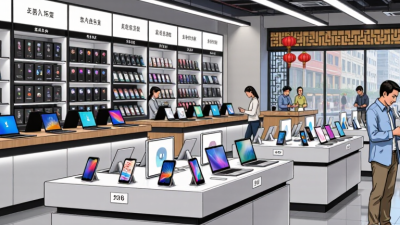
What Is the Best Electronics Marketplace in China?
-
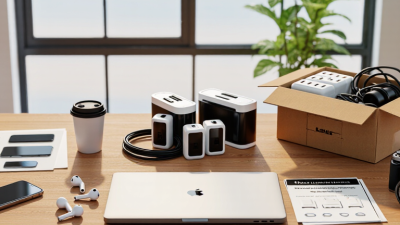
Top 10 Electronics Marketplace Sites for Global Buyers?
-

Why Choose an Electronics Marketplace for Global Sourcing?
-

Why Should You Stay Updated on Electronics News for Global Sourcing?
-
What Are Electronic Websites for Global Buyers?
-
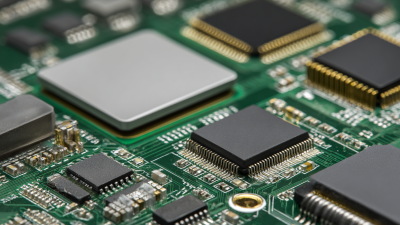
Exploring the Future of Electronic Components: Innovations and Insights from Leading Suppliers